Pros and Cons of Tape In Hair Extensions: Are They Worth It?
If you’ve been thinking about getting longer, fuller hair, you’ve probably come across tape-in hair extensions. They’re one of the most popular semi-permanent extension methods because they look natural, feel lightweight, and can last for weeks with proper care.
However, are they really as good as they seem?
Like any hair extension method, tape-ins come with both advantages and disadvantages. Some people absolutely love them, while others decide they’re not worth the maintenance.
I wore tape-in hair extensions for six weeks, and I experienced both sides. In this guide, I’ll walk you through the real pros and cons of tape in hair extensions, share what surprised me most, and help you decide whether they’re the right choice for your hair.
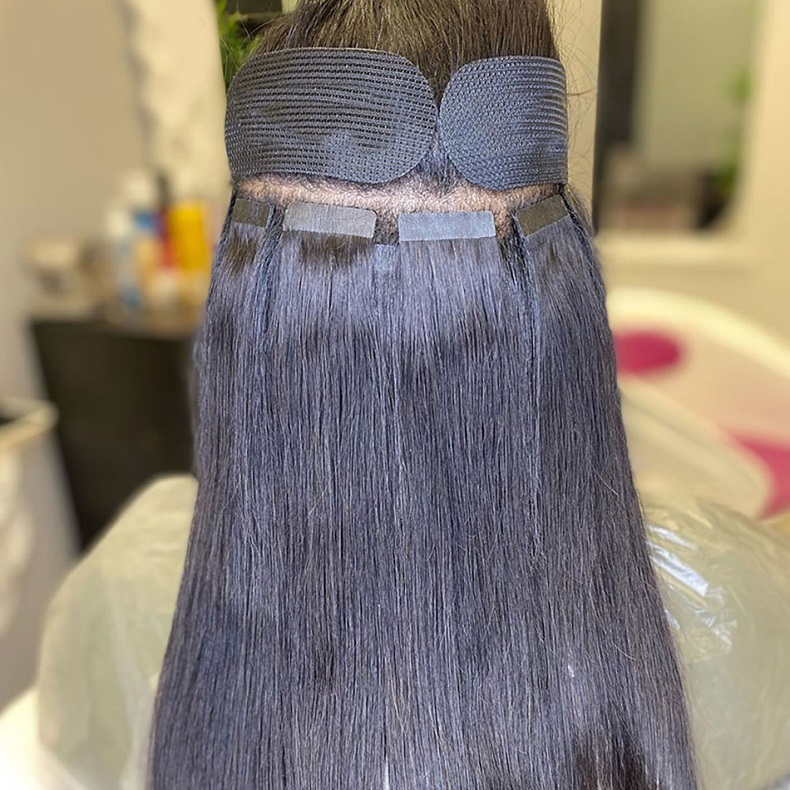
Pros of Tape In Hair Extensions
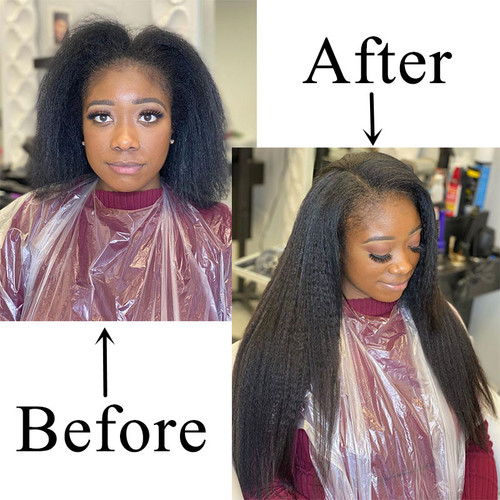
They Instantly Add Length and Volume
The biggest advantage is obvious—you walk out of the salon with dramatically fuller hair.
As someone with naturally thin hair, I loved the instant transformation. My hair finally had the thickness I’d always wanted, and every hairstyle looked fuller and healthier.
If you’ve been struggling to grow your hair or simply want more volume, tape-ins deliver immediate results.
They Look Very Natural
One reason tape-ins are so popular is that they’re difficult to detect when installed correctly.
The adhesive lays flat against your scalp, so the extensions blend naturally with your own hair. Friends complimented my hair, but very few realized I was wearing extensions.
Of course, choosing high-quality human hair and having them installed professionally makes a huge difference.
They’re Comfortable After the Adjustment Period
During the first couple of days, I definitely noticed the extra weight.
Fortunately, that feeling didn’t last long. After about a week, I barely noticed I was wearing them during everyday activities.
Compared with some other extension methods, tape-ins generally feel lightweight once your scalp adjusts.
They’re Easy to Style
Another benefit is the flexibility.
During the first few weeks, I could wear loose curls, beach waves, low ponytails, and even high ponytails or buns without much trouble. The extensions also held curls longer than my natural hair, which actually saved me time on styling.
If you enjoy changing hairstyles, tape-ins give you plenty of options.
They’re Reusable
With proper maintenance, quality tape-in hair extensions can be reused several times.
Although you’ll need replacement tape during maintenance appointments, you won’t necessarily have to buy new hair every visit. That makes them more economical over time than many people expect.
Cons of Tape In Hair Extensions
Although I enjoyed many benefits, I also discovered several drawbacks that are worth considering.
They Require Regular Maintenance
Tape-ins aren’t a “set it and forget it” solution.
As your natural hair grows, the tape moves farther away from your scalp. Most people need maintenance appointments every 6 to 8 weeks to reposition the extensions.
Skipping these appointments can lead to tangling and extra stress on your natural hair.
They Can Damage Hair If They’re Not Installed or Removed Properly
This is probably the biggest concern people have.
So, are tape in extensions damaging?
Not necessarily.
Tape-in extensions themselves don’t usually damage healthy hair. Most problems happen when they’re installed incorrectly, removed without adhesive remover, or neglected for weeks after they should have been moved up.
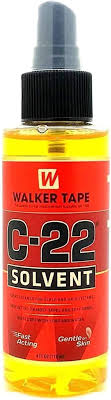
When it was time to remove my tape-ins, I used Walker Tape C-22 Solvent to loosen the adhesive. The removal itself was easier than I expected, but I still noticed some breakage afterward. Looking back, most of it seemed to come from tangling around the tape bonds rather than the extensions themselves. That experience reminded me that proper maintenance and gentle removal are just as important as the installation itself.
That’s why choosing an experienced stylist and following proper aftercare is just as important as choosing quality hair.
Washing Takes More Time
I quickly realized that wash day became a much bigger project.
Because the tape bonds shouldn’t be scrubbed aggressively, I had to wash more carefully than usual. Drying also took much longer, especially around the adhesive tabs.
While this wasn’t a deal-breaker, it definitely added time to my routine.
They Can Become Visible as Your Hair Grows
Fresh tape-ins look almost invisible.
However, after several weeks, the bonds start moving away from your scalp. At that point, wearing high ponytails or sleek updos becomes more difficult because the tape may peek through.
Regular maintenance helps minimize this issue.
They’re More Expensive Than Many People Expect
The initial installation isn’t the only cost.
You’ll also need maintenance appointments, replacement tape, and extension-friendly hair products. If you choose high-quality human hair, the upfront investment can be significant.
Before getting tape-ins, make sure you’re comfortable with the ongoing costs—not just the first salon visit.
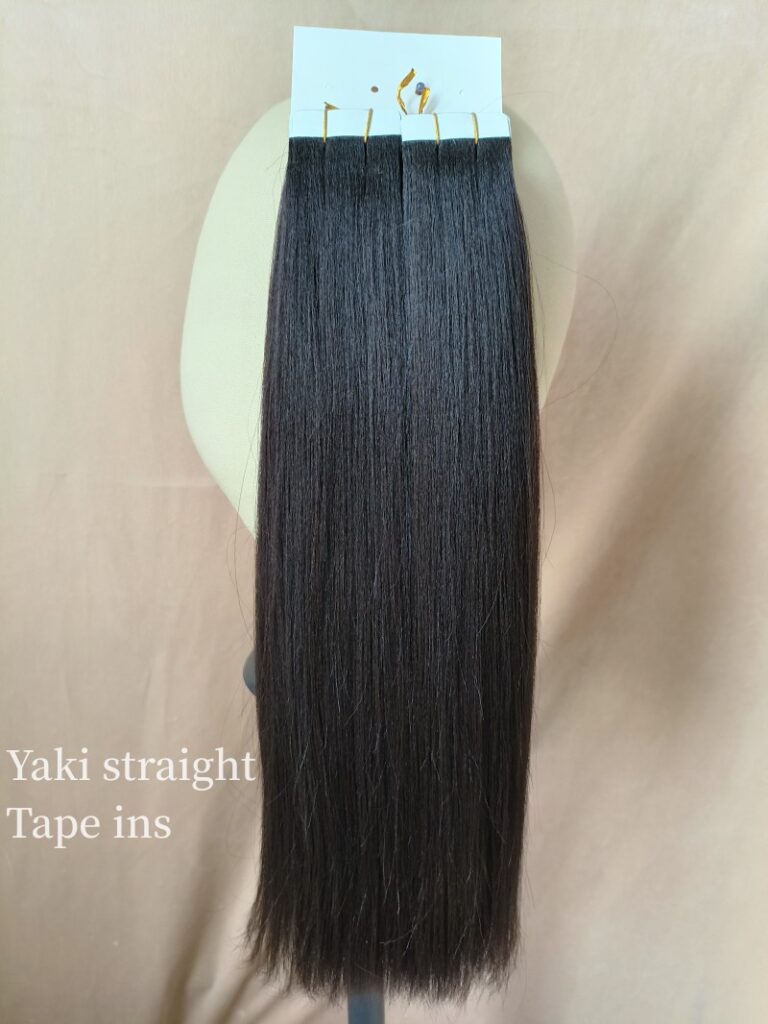
They Need Extra Care at the Beach and Pool
One drawback I didn’t expect was how much extra attention tape-ins needed during beach and pool days.
Swimming itself isn’t off-limits, but salt water, chlorine, and sand can all affect your extensions. Sand easily became trapped around the tape bonds, while chlorinated or salt water left my hair feeling drier than usual.
After every swim, I had to rinse my hair thoroughly, use a moisturizing conditioner, and gently detangle it once it dried. It wasn’t difficult, but it definitely required more effort than caring for my natural hair alone.
If you spend a lot of time at the beach or pool during summer, this extra maintenance is something to keep in mind.
Wearing your hair in a loose braid before swimming can also help reduce tangling.
Are Tape In Hair Extensions Worth It?
In my opinion, they are—if you know what you’re signing up for.
They’re an excellent option if you want natural-looking length and volume and don’t mind spending extra time on maintenance.
On the other hand, if you prefer a lower-maintenance routine or rarely have time for salon appointments, you may want to consider other options, such as sew-in or clip-in extensions. If you’re comparing different extension methods, our guide to clip-in extensions pros and cons can help you decide which option best fits your lifestyle.
Ultimately, the best choice depends on your hair type, lifestyle, budget, and how much maintenance you’re willing to commit to.
If you’ve decided tape-ins might be the right choice, your next step is learning how to care for them properly. A few simple habits can make a big difference in how long they last and how healthy your natural hair stays. Be sure to read our guide on What Not to Do With Tape In Extensions before your appointment.