Table of Contents
- 4 Common Natural Black Hair Care Problems I See
- Heat Styling & Natural Hair Care
- Relaxed Hair Care & Transitioning: What You Should Know
- Big Chop Pros and Cons
- Microlocs vs Sisterlocks: A Long-Term Natural Hair Option
Natural Black Hair Care: What I’ve Learned From Working With Hundreds of Women
As a hairstylist specializing in natural black hair care, I’ve worked with hundreds of women — from those just starting their natural hair journey to long-time naturals struggling with dryness, breakage, heat damage, and relaxed hair concerns.
Over the years, I noticed something important.
Most women are not struggling because they don’t care about their hair.
They’re struggling because they’re getting conflicting advice.
One stylist says use protein.
Another says avoid protein.
Some say deep condition every week.
Others say once a month is enough.
On top of that, many women are also dealing with heat damage from silk press, transitioning from relaxed to natural hair, or relaxer-related breakage and confusion about proper care.
So naturally, many end up trying everything — and still not seeing results.
If that sounds familiar, you’re not alone.
In this guide, I’m sharing real patterns I’ve seen across hundreds of clients, along with practical natural black hair care advice that actually works in everyday life.
This guide also connects to deeper topics, so you can explore each issue step-by-step.
The Most Common Natural Black Hair Care Problems I See
1.“My Natural Hair Stopped Growing”
This is one of the most common concerns.
Clients often tell me:
“My hair used to grow, but now it’s stuck.”
However, in most cases, hair is growing — but breakage cancels out growth.
For example:
- Ends breaking from dryness
- Tangling during detangling
- Protective styles installed too tightly
When this happens, length retention becomes the real problem.
If you’re experiencing this, this guide explains it deeper:
4C Hair Stopped Growing | Reasons & Solutions
Once you understand length retention, your natural black hair care routine becomes much easier.
2.“My Hair Is Still Dry After Deep Conditioning”
Another very common frustration.
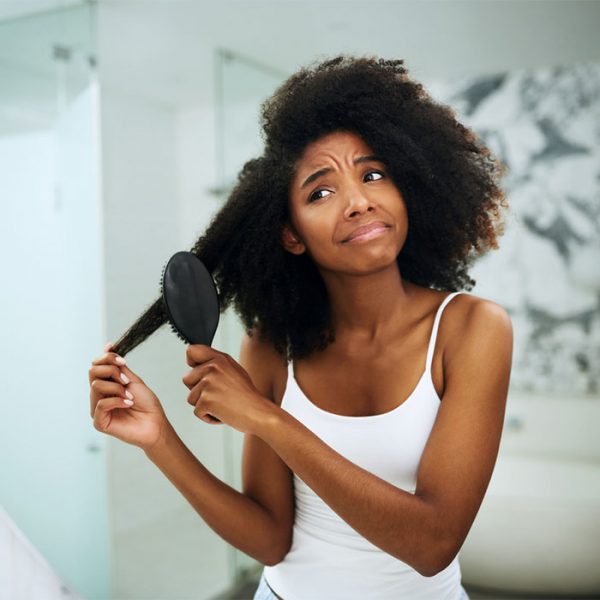
Many women deep condition regularly but still feel dryness.
In reality, dryness usually happens because:
- Hair needs protein balance
- Product buildup blocks moisture
- Hair is not sealed properly
For example, I often see clients apply deep conditioner — then rinse and stop.
But for many natural hair types, sealing moisture with oil or cream makes a huge difference.
If you’ve experienced this, this article explains the causes in detail:
Why is my hair still dry after deep conditioning?
Once moisture retention improves, breakage usually decreases.
3.How To Know If Your Natural Hair Is Damaged?
Another question I hear constantly:
“Is my hair damaged or just dry?”
This is important because the solution is different.
Dry hair needs moisture. Damaged hair may need protein or trimming.
Common signs I see in the salon:
- Excessive shedding
- Weak ends
- Hair snapping easily
- Loss of curl pattern
If you’re unsure, this guide helps you identify the signs:
How do i know if my 4c hair is damaged?
And if your hair is damaged or overly soft and weak, you may also need to understand how often protein treatments should be done, because too much or too little protein can actually make the problem worse.
Read more here:
How often to do protein treatment 4c hair?
4.Concerns About Blow Drying Natural Hair
Some clients also ask me an important question:
“Is blow drying natural hair bad for my curls?”
I completely understand this concern, because in the natural hair community, heat is often seen as something risky or damaging.
But in reality, it depends on how you use it and how often you do it.
When done correctly, blow drying can actually help in several ways:
- It makes detangling much easier
- It reduces breakage during styling
- It helps stretch the hair before braiding or protective styles
- It can improve moisture retention when used on low or medium heat
The key is not to avoid blow drying completely, but to understand how to use heat safely on natural hair.
If you want to go deeper into this topic, I explain it in more detail here:
6 Benefits of Blow Drying Natural Hair
Heat Styling, Relaxed Hair & Transitioning Care
Each of these stages requires a different approach, but they are all connected by one important factor — how you manage heat, chemical processing, and new growth.
Instead of treating these topics separately, it helps to understand them as part of the same journey. That’s why I’ve broken them down below so you can clearly see what applies to your own situation and make better decisions for your hair health.
Do Heat Protectants Really Work?
Many clients ask me whether heat protectants actually protect the hair or if it’s just marketing.
I understand why this question comes up, because many people use heat protectant sprays but still experience dryness, breakage, or heat damage afterward — and that can feel confusing.
The truth is: heat protectants do work, but they don’t “block heat” completely. Instead, they act as a protective layer that helps reduce moisture loss and slow down heat damage.
If you want a deeper breakdown of how heat protectants really work on natural hair, I explain it here: Does heat protectant really protect hair?
Heat Styling Choices: Silk Press, Keratin, and Heat Training
After understanding whether heat protectants really help, the next question many clients ask is:
“What type of heat styling is safest for my natural hair?”
In my experience, most women are usually deciding between three common options:
- Occasional silk press
- Longer-lasting keratin treatment
- Gradual heat training over time
Each of these approaches involves heat styling, and in all cases, using a heat protectant becomes especially important to help reduce moisture loss and minimize potential damage.
However, these methods affect natural hair differently. Some are temporary styling options, while others can gradually change how your curls behave.
That’s why it’s helpful to understand the differences before choosing what works best for your hair goals.
If you’re considering any of these options, I recommend reading the following guides:
Silk Press vs Keratin Treatment
How can I make my silk press last longer?
Understanding these differences can help you make safer decisions and avoid unnecessary heat damage while still enjoying versatile styling options.
Relaxed Hair Care & Transitioning: What You Should Know
Another common situation I see in the salon involves women who are currently relaxing their hair or thinking about transitioning back to natural hair.
Relaxed hair requires a different care approach, especially when it comes to preventing breakage, managing new growth, and minimizing chemical damage. In many cases, issues like dryness, thinning edges, and breakage are not caused by relaxers alone, but by improper preparation, product choices, or maintenance routines.
Because these topics are closely connected, I usually recommend clients understand the full process — from preparing for relaxers to managing new growth and eventually transitioning if they choose to go natural again.
If you’re currently relaxing your hair or thinking about transitioning, I strongly recommend reading the following four guides in order:
- What To Do Before Relaxing Your Hair?
- Lye or No-Lye Relaxer: Which Is Better?
- How To Soften New Growth on Relaxed Hair?
- How To Transition From Relaxed to Natural Hair?
These guides walk you through each stage, helping you make more informed decisions and avoid some of the most common relaxed hair mistakes.
Easy Styling Options for Relaxed Hair
When you are managing relaxed hair or dealing with new growth, styling every day can sometimes feel tiring.
In these moments, many of my clients prefer simple protective styling options that reduce daily heat and manipulation.
For example:
- Headband wigs are great when you want a quick, natural look without glue or lace. You can just put it on and go.
- Half wigs are another easy option if you want to blend your natural hair with added volume while still keeping some of your real hair out.
These styles help you look put together while giving your hair a break from constant styling and heat.
Considering the Big Chop
After transitioning for some time, many women start asking another important question:
“Should I keep transitioning or just do the big chop?”
There’s no right or wrong answer. Some women prefer transitioning slowly, while others choose the big chop to start fresh and remove damaged or chemically treated hair all at once.
From my experience working with natural hair clients, the decision often depends on:
- How much breakage you’re experiencing
- How comfortable you are managing two textures
- Your styling preferences
- Your hair goals
Some clients feel relieved after doing the big chop, while others prefer keeping their length and transitioning gradually.
If you’re currently deciding, this guide breaks down the pros and cons clearly:
Understanding both sides can help you make a confident decision based on your lifestyle and comfort level.
Microlocs vs Sisterlocks: A Long-Term Natural Hair Option
Some women eventually decide to move away from frequent styling, heat usage, or chemical treatments altogether and explore long-term protective styling options like microlocs or sisterlocks.
These two styles are often compared, but they are actually very different in terms of installation, maintenance, and cost.
Microlocs are generally more flexible and less expensive, while sisterlocks require a certified professional and a more structured installation process. Because of this, sisterlocks tend to be significantly more costly and not as widely accessible.
In my experience, clients usually choose between these options based on their lifestyle, budget, and long-term commitment to wearing locked styles.
If you’re considering this direction, these two guides explain the differences in detail:
Microlocs Pros and Cons , Sisterlocks vs Microlocs
Final Thoughts On Natural Black Hair Care
Natural black hair care does not have to be complicated.
From my experience working with many clients, most hair problems come from a few simple things — not understanding moisture, using too much heat, or not having a consistent routine.
Once you learn what your hair needs, everything becomes easier. You don’t need to try every product or follow every trend you see online.
Start simple. Be gentle with your hair. And give it time to respond.
Whether you are natural, relaxed, transitioning, or still deciding what works best for you, there is no “perfect” way — only what works for your lifestyle and your hair.
The most important thing is consistency and care. Healthy hair is a journey, not a quick fix.