How often to do protein treatment 4c hair? 3 Factors to Consider
If your 4C hair feels weak, overly soft, or breaks easily, a protein treatment may be exactly what your hair needs. But how often should you use one?
For most 4C hair, a protein treatment every 4–6 weeks is a good starting point. However, your ideal schedule depends on your hair’s porosity, damage level, and how your hair responds after each treatment.
The goal is not to use as much protein as possible. Healthy hair needs a balance between strength from protein and moisture for softness and flexibility.
Factor 1:Low Porosity vs High Porosity 4C Hair
Low Porosity 4C Hair
Low porosity hair has a tighter cuticle structure, which can make it harder for products to absorb.
Some people with low porosity hair find that frequent protein treatments leave their hair feeling coated or stiff.
If your hair is low porosity, you may prefer a lighter protein treatment every 6–8 weeks.
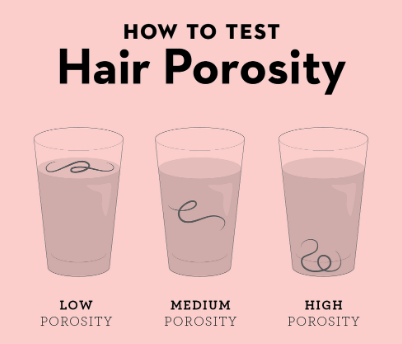
High Porosity 4C Hair
High porosity hair loses moisture more quickly because the cuticle layer does not hold moisture as easily.
Because of this, high porosity 4C hair often benefits from protein because it needs extra support. A protein treatment every 3–4 weeks may work better.
Remember, porosity is only a guide. The most important thing is how your hair feels after each treatment.
Factor 2:Your Hair Condition and Damage Level
Healthy 4C Hair: Every 4–6 Weeks
If your hair is healthy and you do not frequently use heat or chemical treatments, a monthly protein treatment may be enough.
This schedule works well for people who:
- Wear protective styles
- Limit heat styling
- Avoid frequent coloring
- Follow a consistent moisturizing routine
You do not need strong protein treatments every week. In many cases, using protein too often can make your hair feel harder instead of healthier.
Damaged or Color-Treated 4C Hair: Every 2–4 Weeks
If your hair has been through bleaching, coloring, relaxing, or frequent heat styling, it may need protein more often. If you’re not sure whether your hair is actually damaged, read our guide on How Do I Know If My 4C Hair Is Damaged? to learn what signs to look for.
Chemical treatments and heat can weaken the hair structure, which may lead to:
- Increased breakage
- Loss of curl definition
- Hair that feels weak or overly soft
In these cases, a protein treatment every 2–4 weeks may help support your strands.
However, adding more protein is not always the answer. If your hair feels dry after every treatment, it may need more moisture instead.
While your hair recovers, it is also important to reduce daily manipulation. Protective styles can help limit styling stress and give your hair a break from frequent handling. Options like braids, twists, and glueless human hair wigs can be convenient choices when you want to protect your natural hair while maintaining a stylish look.

Factor 3:Signs Your 4C Hair Needs a Protein Treatment
Even if you follow a regular schedule, your hair may not always need protein at the same time every month. Your hair’s condition can change because of styling, weather, chemical treatments, and everyday manipulation.
Instead of following a strict calendar, learn to recognize the signs your hair is giving you.
Your curls usually tell you when they need extra support.
Your Hair Feels Too Soft but Still Weak
Soft hair sounds like a good thing, but there is a difference between soft and healthy versus soft and lacking strength.
If your 4C hair feels extremely silky but cannot hold its shape, it may need more protein support.
Healthy hair should have a balance of softness and strength. Your strands should feel flexible, but they should also have enough structure to bounce back after stretching.
If your hair feels like it has no “life” or your curls do not hold their shape anymore, it may be time to consider a protein treatment.
Your Hair Stretches Too Much Before Breaking
Elasticity is one of the best ways to understand your hair’s condition.
Healthy hair should stretch slightly and return to its original shape. However, if your strands stretch too far, feel weak, or snap easily, your hair may need more strengthening.
A simple test:
Take a clean, wet strand of hair and gently stretch it.
- If it stretches a little and returns, your hair likely has a good balance.
- If it stretches like an old elastic band and does not bounce back, your hair may need more protein.
- If it barely stretches and breaks immediately, your hair may be too stiff and may need more moisture.
This small check can help you understand what your hair actually needs instead of adding random products.
Your Hair Breaks Easily Despite Your Moisturizing Routine
Many people with 4C hair assume that dryness is always the main problem.
So they add more:
- Leave-in conditioners
- Hair oils
- Deep conditioning treatments
- Moisturizing creams
But sometimes, moisture alone cannot solve the problem.
If your hair still feels weak, breaks during detangling, or you notice more shedding than usual, your hair may need more strength rather than more hydration.
If your hair still feels dry after deep conditioning, the issue may not always be a lack of moisture. Your hair may need a better balance between moisture and protein. You can learn more in our guide on Why Is My Hair Still Dry After Deep Conditioning?
Your Curl Definition Starts to Change
Your curl pattern can also give you clues.
If your curls suddenly look:
- Less defined
- Flatter than usual
- More frizzy
- Unable to hold a style
your hair may need extra support.
Protein can help some 4C hair regain structure and improve curl definition, especially after damage from heat, coloring, or frequent manipulation.
However, remember that curl definition alone does not always mean your hair needs protein. Your overall hair condition matters.
Signs You May Be Using Too Much Protein on 4C Hair
Protein can be helpful, but too much of a good thing can create problems.
If your hair starts feeling worse after protein treatments, you may be dealing with protein overload.
Common signs include:
- Hair feels stiff or hard
- Strands feel dry and straw-like
- Hair loses flexibility
- Curls feel less soft
- Hair breaks even though you are using strengthening products
When this happens, adding more protein usually will not fix the problem.
Instead, focus on restoring moisture. Use gentle moisturizing treatments and give your hair time to recover.
A good protein routine should make your hair feel stronger, not harder.
Final Thoughts
By now, you should have a better idea of when your 4C hair may need a protein treatment based on how it looks and feels. The next step is finding a treatment that fits your hair’s needs. If you’re not sure where to start, this guide to 6 Protein Treatments for Stronger, Healthier Hair may help you compare your options.