Table of Contents
- Why Many Stylists Recommend Sew-In Nets
- Who Should Use a Hair Net for a Sew-In?
- Hard nets vs soft nets
- Are There Any Downsides to Using a Hair Net?
Why Use a Hair Net for a Sew-In? Benefits Every Beginner Should Know
If you’ve ever watched a sew-in installation and noticed a stylist placing a net over the braids, you may have wondered:
“Is that really necessary?”
Honestly, a lot of beginners think a sew-in net is just an extra step. But after working with many clients over the years, I can say it often makes a huge difference — not only in how the install looks, but also in how your natural hair feels underneath.
Of course, it’s not perfect for everyone. There are pros and cons, and your hair needs always matter most.
So if you’re trying to understand why stylists use hair nets for sew-ins, this guide breaks everything down in a beginner-friendly way.
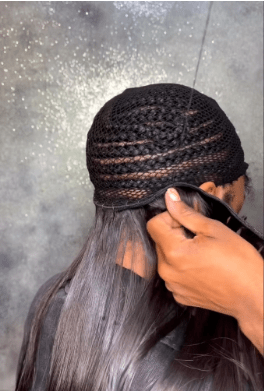
Why Many Stylists Recommend Sew-In Nets
Not every stylist uses sew-in nets, but many experienced stylists recommend them for certain hair types and install goals.
And honestly, once you understand the benefits, it makes sense why.
Less Tension Around the Edges
One of the biggest reasons stylists use a net is to reduce tension around the perimeter.
Heavy extensions can put stress on your edges over time, especially with tighter braid patterns.
A net helps reduce direct pulling because the weight of the bundles is distributed more evenly.
For clients with fragile edges or sensitive scalps, this can make the install feel much more comfortable.
If your sew-ins usually feel heavy after a few days, the foundation may be part of the problem.
Sew-Ins Often Last Longer With a Net
Another reason many stylists prefer nets is longevity.
A properly installed sew-in net gives additional support to the tracks, which helps prevent loosening too quickly.
That means fewer issues like:
- Loose tracks
- Shifting bundles
- Braids loosening too quickly
- Excessive pulling on one section
With proper care and maintenance, many clients notice their sew-ins last much longer when a net is included.
This is especially helpful for women who:
- Travel often
- Work out regularly
- Prefer low-maintenance styles
- Want to extend salon visits
The stronger foundation simply helps everything stay in place better.
Better Protection for Natural Hair
A net under your sew-in isn’t “extra” — it’s often protection.
The net creates a barrier between the extensions and your natural hair. This helps reduce direct friction and tension caused by the added weight of the bundles.
For clients focused on hair growth and retention, this added layer can help minimize unnecessary stress.
Many stylists also recommend nets for women experiencing:
- Hair thinning
- Alopecia
- Weak crown areas
- Sparse braid foundations
In these situations, the net helps create a safer and more supportive base.
Who Should Use a Hair Net for a Sew-In?
Not every client has the same hair needs. That’s why sew-in nets are often customized based on the person sitting in the chair.
Here are some situations where a hair net can make a big difference.
Clients With Thin Hair
Thin hair sometimes creates spacing between the braids, making tracks more visible.
A net helps cover those gaps and creates a cleaner foundation for the extensions.
This allows the sew-in to look fuller and more natural without exposing the braid pattern underneath.
Clients With Dense Natural Hair
Interestingly, sew-in nets also help clients with very thick hair.
Dense natural hair can sometimes make sew-ins appear bulky, even with neat braids.
A net helps compress the foundation slightly so the install lays flatter.
This is especially useful for:
- Sleek middle parts
- Straight styles
- Bone-straight bundles
- Quick glam looks
When the foundation is smoother, the final result usually looks more polished.
Clients With Hair Loss or Alopecia
For clients experiencing thinning or alopecia, a sew-in net can help create a safer and more stable base.
Instead of placing too much stress on fragile hair, the net helps distribute the weight more evenly.
Many stylists use nets specifically to reduce excessive tension in sensitive areas.
Clients Who Want Fuller Installs
A net allows stylists to sew tracks closer together, making it easier to install more than three bundles without creating too much bulk.
That’s one reason many fuller installs use nets underneath.
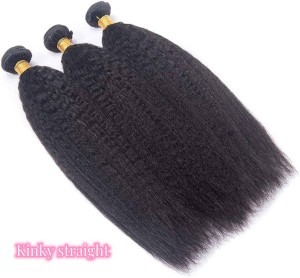
Hard net for sew in VS soft net for sew in
One question clients ask all the time is whether a soft net or hard net works better for sew-ins.
And honestly, after trying both throughout the years, I personally prefer the hard net for most installs.
That doesn’t mean soft nets are “bad.” They simply work differently.
The biggest difference comes down to stability, durability, and how the net performs over time.
Why Some Stylists Prefer Soft Nets
Soft elastic nets are popular because they feel flexible and lightweight during the install.
Many clients like them because they:
- Feel softer against the scalp
- Stretch easily over braids
- Mold comfortably to the head
- Can feel less stiff initially
For short-term installs, some stylists enjoy the flexibility soft nets provide.
However, softness can also become the downside.
In my experience, soft nets often don’t provide enough stability for long-lasting sew-ins.
Soft Nets Can Cause Problems When Wet
One issue I’ve noticed with elastic soft nets is what happens after washing.
Because the material is very soft, the net can start blending into the hair once it gets wet.
Over time, this may create tangling issues underneath the install — especially if the sew-in stays in longer than 8 weeks.
That can make takedown much more frustrating later.
For clients who keep their installs in for extended periods, durability matters more than softness alone.
Why I Prefer Hard Nets for Sew-Ins
Personally, I prefer hard nets because they create a much stronger and more secure foundation.
Instead of relying heavily on the client’s natural hair and braid tension, the hard net gives the stylist something solid to sew onto.
That added structure helps the install stay secure as time goes on.
This becomes especially important for clients who:
- Wear their sew-ins for several weeks
- Like fuller installs
- Use multiple bundles
- Want longer-lasting styles
- Need extra durability
A stronger foundation usually means less movement, less loosening, and better longevity overall.
Another benefit many people don’t think about is removal.
When it’s finally time to take the sew-in down, hard nets are often easier to separate from the natural hair because they don’t tangle into the braids as easily as softer elastic nets sometimes do.
That means:
- Easier takedowns
- Less tangling
- Less frustration during removal
- Better protection for natural hair
Are There Any Downsides to Using a Hair Net?
Even though sew-in nets have many benefits, they’re not perfect for everyone.
And it’s important to be honest about that too.
Harder to Access the Scalp
One downside is that the net creates an extra layer between your scalp and the extensions.
This can make it harder to:
- Oil the scalp
- Apply treatments
- Reach buildup directly
Washing Can Be More Difficult
In my opinion, washing the scalp thoroughly can sometimes become more difficult when a net is used.
Some clients end up cleansing mostly the extensions instead of fully cleaning the scalp underneath.
If you struggle with dandruff or buildup, maintenance becomes very important.
Final Thoughts
At the end of the day, a hair net for a sew-in is not just an “extra” step.
But like most things in hair care, the right choice depends on your personal needs, scalp condition, and comfort level.
Some clients love the added support. Others prefer easier scalp access without a net.
That’s completely okay.
The most important thing is choosing an install method that protects your natural hair while helping you feel confident in your style.
Helpful links: The truth about: do sew in extensions cause hair loss?
Crochet vs Sew in weave , U part wig vs sew in | pros and cons