When considering hair treatments, understanding silk press vs keratin treatment options is key. While both promise to deliver lustrous locks free of frizz, they differ in application processes, and aftercare routines. If you’re seeking a solution that fits seamlessly into your hair care regimen, it’s essential to understand the unique properties of each treatment.
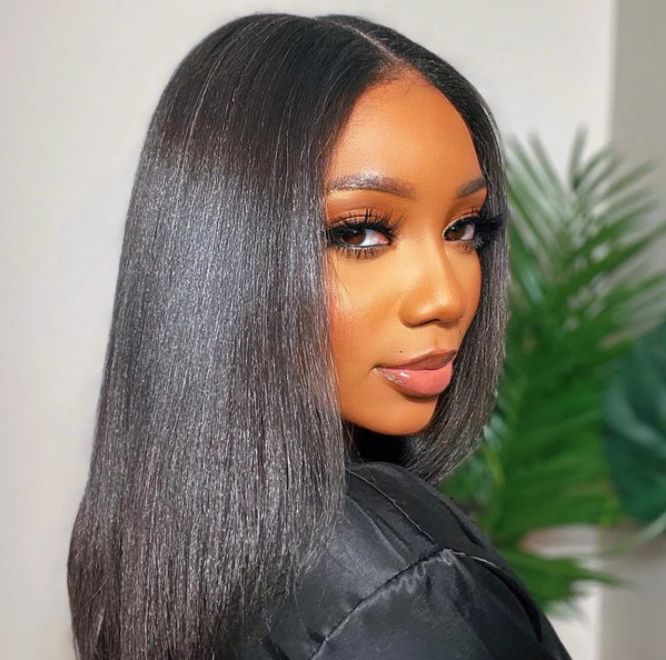
Silk Press vs Keratin Treatment
Keratin treatments offer numerous benefits that appeal to individuals seeking easier hair maintenance and prolonged style longevity.
One of the most significant advantages is the reduced need for frequent heat styling. Post-treatment, hair becomes much more manageable, which means less time spent blow-drying and flat ironing. This naturally reduces heat exposure, allowing the hair to grow healthier over time.
When maintained correctly, the effects can last between 4 to 6 months.
Additionally, the hair remains largely unaffected by common adversaries like humidity, rain, and even vigorous workouts. For many, these elements of nature are styling nightmares, but with keratin, hair stays put without frizzing or losing shape.
However, silk press is a temporary effect aimed at revealing the length and beauty of your natural curls without altering their texture permanently. For those who revel in waving goodbye to the daily struggle of managing curls, at least for a week or two, a silk press offers a breath of fresh, sleek air.
Achieving the perfect silk press is one thing, but maintaining that silky, straight look is another challenge altogether.
Most importantly,avoid moisture at all costs. Even the smallest hint of humidity can cause curls to revert and frizz to appear.
Is keratin treatment bad for hair?
A major health concern is the use of formaldehyde in many traditional keratin treatments.When heated, formaldehyde can release harmful gases which have been linked to serious health issues, including cancer.This has led to a rise in demand for formaldehyde-free products. However, these claims often require scrutiny, as some ingredients may still release formaldehyde when heated.
Besides formaldehyde, consumers must be wary of protein overload. Keratin, a protein, can make hair brittle and prone to breakage if applied excessively or used in conjunction with other protein treatments. Balancing protein treatments is crucial to maintaining hair health.
Most importantly,not all hair types respond to keratin treatments in the same way. Generally, individuals with coarse, curly, or frizzy hair tend to see the most noticeable results, as the treatment can significantly reduce frizz and add shine.
However, if your hair is fine or heavily processed, such as being color-treated or bleached, keratin treatments may not be the best option. These hair types can become overwhelmed by the heavy nature of the keratin solution, potentially resulting in limp or greasy hair.
A prudent approach is to conduct a patch test on a small section of your hair to observe how it responds to the keratin treatment. This test can help identify potential adverse effects, such as dryness or increased frizz, before the treatment is applied to your entire head. Whether opting for an at-home treatment or visiting a salon, this step is crucial.
Is silk press bad for your hair?
At its core, a silk press is all about technique and finesse.
In fact,the application of intense heat during a silk press raises the risk of heat damage. Heat damage occurs when the structure of the hair is altered by heat, potentially leading to a loss of natural curl pattern and elasticity. This can happen even when taking precautionary measures such as applying heat protectants.
Moreover, limiting the use of heat is crucial. Avoid consecutive silk presses; instead, allow your natural curls some time to breathe and recover between sessions.
Protective styling is a cornerstone in nurturing natural hair health, offering a respite from the hazards of styling treatments damages.Hydrating hair products such as leave-in conditioners and oils can support your hair’s natural moisture balance during these breaks.
Wigs are a pivotal component of protective styling, providing a full shield for your hair from external elements. By encasing your natural hair under a wig, you create a conducive environment for it to rest and recover while you enjoy a wide array of styles.
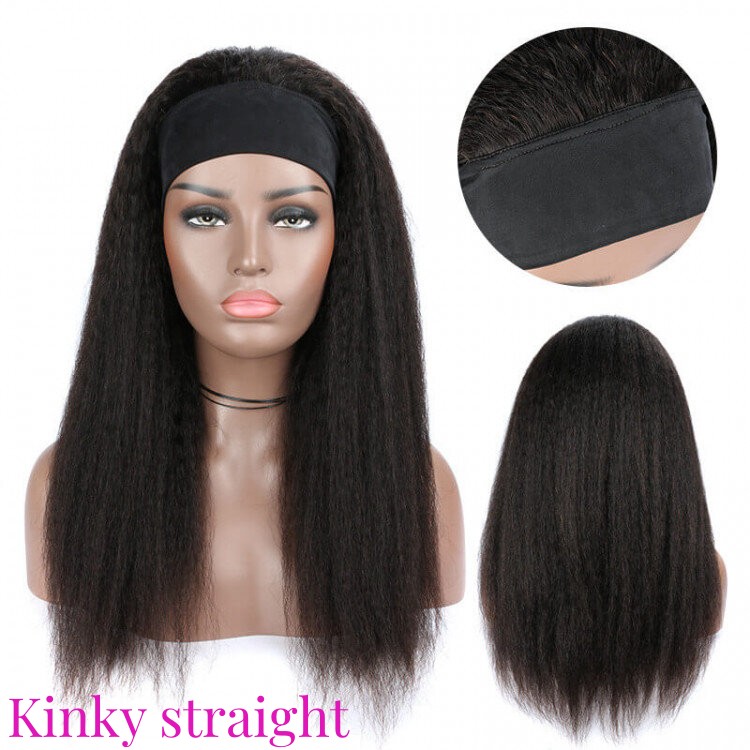
Helpful link: Easy wigs to put on
Lastly, never skip trimming your hair. Regular trims help remove split ends, reducing the risk of damage while ensuring that each silk press looks as smooth and striking as possible.
It may be tempting to avoid scissors when you’re trying to maintain the length of your hair, but regular trims are an indispensable part of maintaining a vibrant and neat silk press.
Trimming helps to eliminate split ends which, if neglected, can travel up the hair shaft and cause more significant damage. By clipping these ends, you maintain the health of your hair and enhance the smoothness of your silk press.
Conclusion
Hair care is a personal journey, and there is no universal solution suitable for everyone.
Whether you choose silk press or keratin treatment, both treatments provide a pathway to healthier, more manageable hair. Ultimately, understanding your specific hair goals and how they align with the strengths of each treatment will ensure you make the most informed choice for your hair care journey.
Helpful link: Heat train natural hair | myths+tips