Pros and Cons of Texturizing Hair: Is It Worth It for Natural Hair?
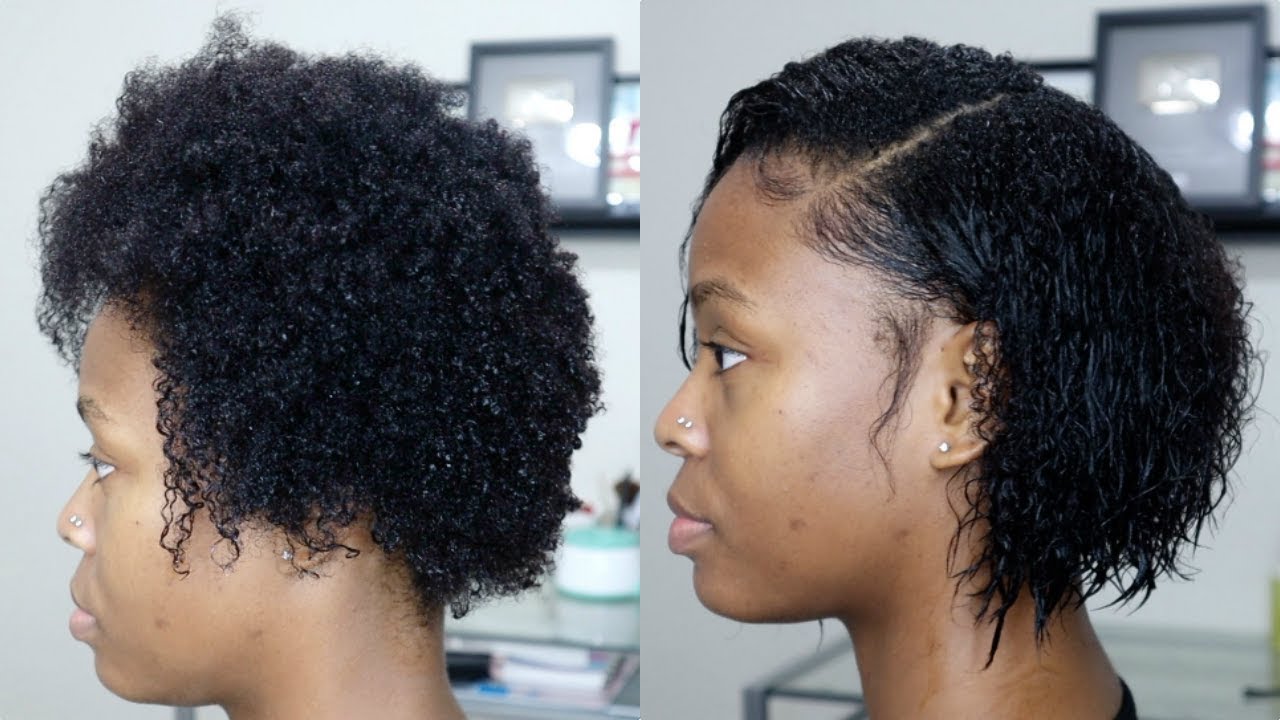
If you have natural hair, especially 4C hair, you probably know how challenging it can be to keep your hair moisturized, stretched, and easy to style every day.
A texturizer can soften your curl pattern without completely straightening your hair like a traditional relaxer. However, just because it is milder does not mean it has no risks.
So, what are the pros and cons of texturizing hair?
Before you decide whether a texturizer is right for you, it is important to understand both sides. Let’s look at the benefits, possible downsides, and the mistakes you should avoid if you choose to texturize your hair.
Pros of Texturizing Hair
1.Softer and More Manageable Hair
One of the biggest reasons women choose a texturizer is easier management.
For many women with 4C hair, simple styles like putting your hair into a bun or ponytail can require a lot of preparation. Detangling, stretching, and shaping the hair can take a significant amount of time.
After texturizing, many women find that their hair feels softer and easier to handle.
The hair still has texture, but it becomes much easier to style and maintain.
2.Less Dependence on Heat Styling
Another benefit of texturizing hair is that you may not need as much heat to achieve your desired look.
For example, some women with thick natural hair need blow dryers or other heat tools after washing because their hair takes a long time to dry.
After texturizing, your hair may dry faster naturally.
You may only need to towel-dry your hair and allow it to air dry instead of constantly using heat. Reducing heat exposure can help prevent heat-related damage.
3.Cuts Down Detangling Time and Makes Wash Days Easier
For many women with tightly coiled hair, one of the most noticeable changes after texturizing is how much easier detangling becomes.
If you have tightly coiled natural hair, especially 4C hair, you know that detangling can sometimes feel like a long process. Knots, shrinkage, and tangled strands can make wash day exhausting, and pulling through stubborn knots can even cause headaches.
After texturizing, the loosened curl pattern makes the hair easier to comb through. You may spend less time fighting with tangles and more time styling your hair.
When done correctly, a texturizer can help stretch out your natural curl pattern, make wash days feel less overwhelming, and reduce the amount of manipulation your hair needs. Less pulling and tugging during detangling may also help you retain more length over time.
4.Makes Protective Styles Easier
A texturizer can also make certain protective styles easier to achieve.
For example, if you enjoy sew-ins, having a slightly loosened texture can help your leave-out blend better with straight or textured extensions.
For some women with very thick 4C hair, creating a flat leave-out area can be difficult without additional stretching or chemical processing.
A texturizer can make blending easier while still allowing you to keep some natural texture.
Cons of Texturizing Hair
1.Texturized Hair Can Become Drier
One of the most common concerns with texturizing hair is increased dryness.
Many women already deal with naturally dry hair, especially with tighter curl patterns. After texturizing, some people notice that their hair becomes even drier.
You may need to increase your moisturizing routine.
For example, instead of moisturizing every few days, you may find yourself needing moisture daily.
Many women use the LOC method (Leave-in, Oil, Cream) or LCO method (Leave-in, Cream, Oil) to help keep texturized hair hydrated.
If maintaining moisture becomes difficult, protective styles such as half wigs or headband wigs can also be a convenient option. They allow you to protect your hair while reducing daily manipulation.
2.You Need a Big Chop to Return to Your Natural Texture
Another important thing to consider before texturizing your hair is that the change is permanent.
Because a texturizer permanently changes your curl pattern, your natural texture will only return as your new hair grows.
If you decide that you want your natural texture back, you will eventually need to cut off the texturized ends. This process is known as a big chop.
Some women are comfortable with this because they have gone through a big chop before. However, if you are not ready to let go of your processed length, this is something you should carefully consider before texturizing your hair.
If you want to learn more about this process, check out our guide on Big Chop Pros and Cons.
3.You May Deal With Multiple Textures Over Time
Another challenge with texturized hair is dealing with different textures as your hair grows.
After a few weeks, your roots will naturally become your original texture while your ends remain texturized.
This can create a combination of textures:
- Your roots may feel coarse.
- Your middle section may have a softer curl pattern.
- Your ends may look more relaxed.
Eventually, your hair may appear to have two or even three different textures.
This is especially noticeable around the four-week mark when your natural growth becomes more visible.
If You Decide to Texturize Your Hair, Avoid These 3 Mistakes
1.Leaving the Texturizer on Too Long
Many texturizers process in around 10 minutes, but the exact timing depends on your hair and the product you use. Instead of treating the timer as the only rule, pay attention to how your hair responds during the process.
1.Follow the recommended processing time on the product instructions
2. Consider your hair texture
Your natural hair texture also affects how quickly a texturizer works. Fine or softer hair may process faster, while coarse, thick, or tightly coiled hair may need more time to reach the desired level of looseness.
3. Watch your hair, not just the clock
The timer is a helpful guide, but your hair’s reaction matters more. As soon as you see your curls loosen to your desired texture, it is time to rinse—even if the timer has not gone off yet.
The goal of a texturizer is to soften and loosen your curl pattern, not completely straighten your hair.
2.Combing Your Hair During the Process
Another mistake to avoid when texturizing your hair is combing it out during the processing time.
One thing you may notice in many texturizer applications is that the hair is usually left alone after applying the product. The reason is that combing through your hair can encourage the curls to stretch out even further, which may take your results from a softer, looser curl pattern to hair that looks much straighter.
If your goal is simply to soften your natural texture and make your hair easier to manage, avoid combing your hair after applying the texturizer.
3.Using the Wrong Styling Products After Texturizing
After texturizing your hair, the products you use can make a big difference in how your hair feels and behaves.
Many women notice breakage after texturizing their hair and assume the chemical treatment is the only reason. However, your styling products and how you use them can also affect your hair’s condition.
One common mistake is continuing to use heavy water-based gels that may not work well for texturized hair. For example, some women find that gels like Eco Styler leave their hair feeling dry, stiff, or more prone to breakage.
Instead, many women prefer using grease-based gels or styling products that provide more hold without making their hair feel as dry. Products like Red One, Let’s Jam, or braiding gels are popular options for styling edges and creating sleek looks.
You also do not need a large amount of product. When styling your edges, a small amount is usually enough. Apply a little product, smooth your edges, and avoid applying unnecessary buildup to your hair.
The key is to pay attention to how your hair responds after texturizing. A product that works well for natural hair may not always be the best choice for chemically treated hair.
Final Thoughts: Should You Try a Texturizer?
If you are thinking about trying a texturizer for the first time, it is completely normal to feel nervous about the results.
A great way to test the results is to start with a small section of hair first. For example, many Black women use texturizers on their leave-out area for styles like sew-ins, U-part wigs with leave-out, or flip-over styles.
Testing a small section allows you to see how your hair reacts, how loose your curl pattern becomes, and whether the results match what you want.
If you like the way your test section looks and feels, you can feel more confident moving forward with the process.