Nylon Thread vs Cotton Thread for Sew-Ins: Why I Stopped Using Cotton Thread Completely
If you are new to sew-ins, one thing nobody talks about enough is the thread. Most beginners spend hours choosing bundles, closures, and install styles, but they forget that the thread matters too.
And honestly? After using both cotton thread and nylon thread over the years, I realized the wrong thread can completely change how your sew-in feels, lasts, and even how healthy your natural hair stays underneath.
I started with cotton thread because that was what many stylists around me used. It seemed normal at the time. But once I switched to nylon thread, I never went back.
So if you are trying to decide between nylon thread vs cotton thread for sew-ins, this article will help you understand the real difference from someone who has worn both.
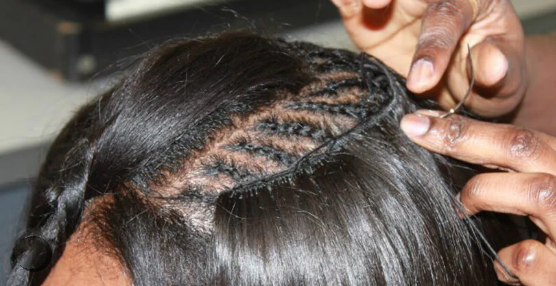
The Biggest Differences
Nylon Thread Is Much Stronger
One of the biggest reasons I switched to nylon thread is durability.
Traditional sew-ins put a lot of tension on the thread because the wefts carry weight every single day. Add brushing, styling, sweating, sleeping, and washing into the mix, and weaker thread starts breaking down fast.
Cotton thread tends to fray over time, especially after repeated washing.
Nylon thread, on the other hand, holds up beautifully for weeks — even months — without weakening.
That means:
- fewer loose tracks
- less maintenance
- less re-tightening
- a longer-lasting install overall
Nylon Thread Dries Faster After Washing
This is probably one of the most underrated benefits.
If you’ve ever washed a sew-in with cotton thread, you already know the struggle. The braids underneath stay damp forever.
Why?
Because cotton absorbs water.
In fact, cotton thread actually swells when wet. Some stylists even demonstrate this by placing nylon and cotton thread in water side by side. The cotton visibly expands while nylon stays nearly the same size.
That swelling can cause:
- sagging wefts
- loose tracks
- longer drying time
- mildew buildup
And honestly, nobody wants their sew-in smelling musty after wash day.
Nylon thread does not absorb moisture the same way cotton does. As a result, your install dries much faster after shampooing and blow-drying.
This helps keep the scalp fresher, cleaner, and healthier.
Especially for active women, gym girls, vacation styles, or humid climates, this makes a huge difference.
Cotton Thread Can Cause More Buildup
Here’s something many beginners do not realize:
Cotton absorbs more than just water.
It also absorbs:
- sweat
- oils
- scalp buildup
- styling products
Over time, this can lead to itching, odor, and even mildew if the install is not dried properly.
Nylon Thread Creates Less Friction on Natural Hair
Because nylon thread is smoother and more flexible, it creates less friction against the hair.
Cotton thread can sometimes feel rough, especially if the thread dries out or swells after washing. That extra friction may contribute to snagging or unnecessary tension on fragile hair.
Nylon stretches slightly with movement, which helps reduce pulling during daily wear.
This is especially helpful for:
- fine natural hair
- relaxed hair
- thinning edges
Of course, proper installation technique still matters most. A bad sew-in is still a bad sew-in regardless of the thread used.
But when comparing materials alone, nylon tends to be gentler overall.
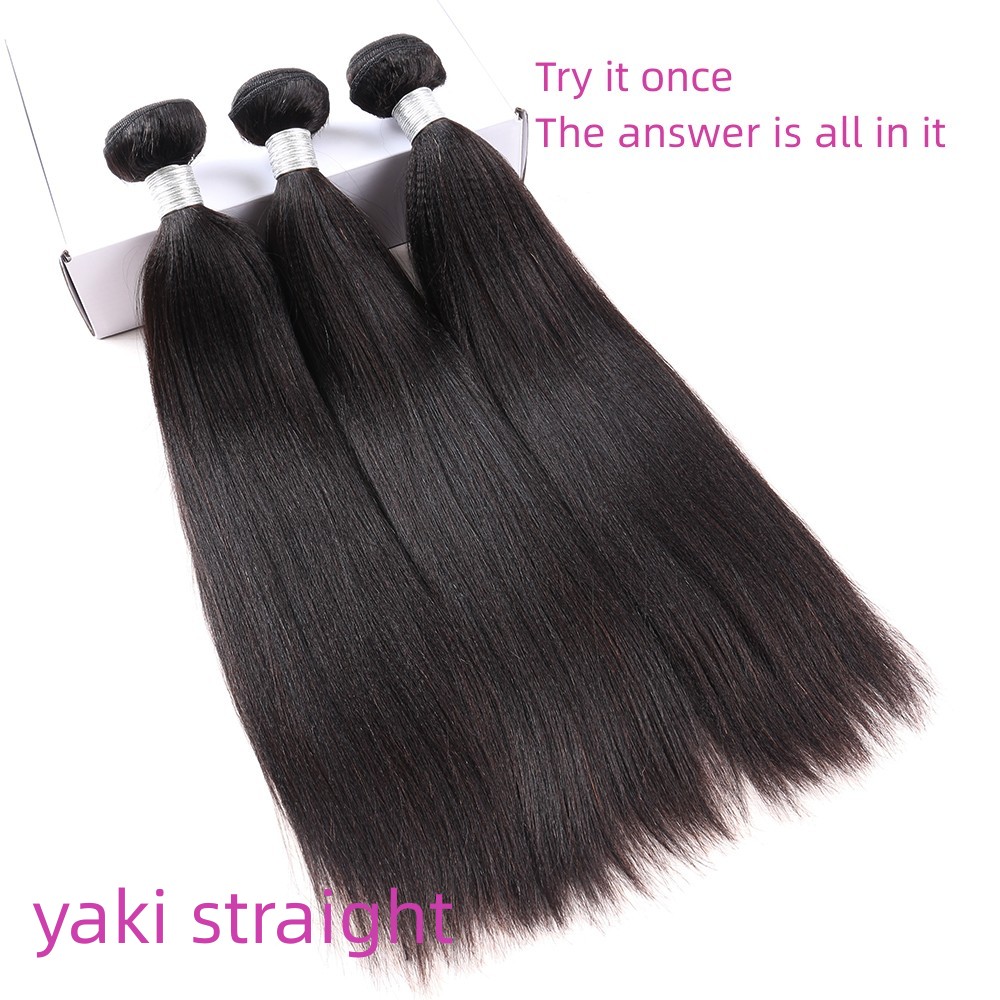
Nylon Thread Creates a More Seamless Install
One thing I absolutely love about nylon thread is how flat it lays.
Because it is thinner and smoother, it blends beautifully into the braids and wefts.
The result?
A more natural-looking sew-in.
Cotton thread can sometimes feel rougher and bulkier during sewing. Over time, it may even snag the hair slightly.
Nylon glides much more smoothly through the weft and braid base.
Final Thoughts on Nylon Thread vs Cotton Thread for Sew-Ins
Sometimes the smallest details make the biggest difference in a sew-in.
After wearing both, I can honestly say switching to nylon thread completely changed my sew-in experience.
My installs felt cleaner, lighter, stronger, and more comfortable.
And most importantly, my natural hair underneath benefited too.
Cotton thread may still work for some people. However, if you want a modern sew-in that feels lightweight, lasts longer, and handles moisture better, nylon thread is hard to beat.
For beginners especially, understanding this difference early can save you a lot of frustration later.
Because sometimes it is not just the hair that matters.
It is the thread holding everything together.
Helpful link: Sew in with net vs without, which one is better for your hair?