Hair Extensions for Beginners: My Honest Experience After 6+ Years
If you’re new to hair extensions, you’re not alone. In fact, almost every beginner feels overwhelmed at first. There are so many options — sew‑ins, clip‑ins, crochet, tape‑ins, ponytails — and it’s hard to know where to start.
I remember when I first started wearing hair extensions. I bought the wrong bundles, chose the wrong install method, and dealt with itching, shedding, and tension headaches. However, over the last five years, I’ve tried nearly every type of hair extensions.
As a result, I now know what actually works — especially for beginners.
So in this guide, I’m sharing real experience from one Black woman to another.
In this beginner guide, you’ll learn:
- Best First Option
- Long‑Lasting Option
- Fast Install Option
- Lightweight Alternative
- Easiest Everyday Style
So, let’s get started.
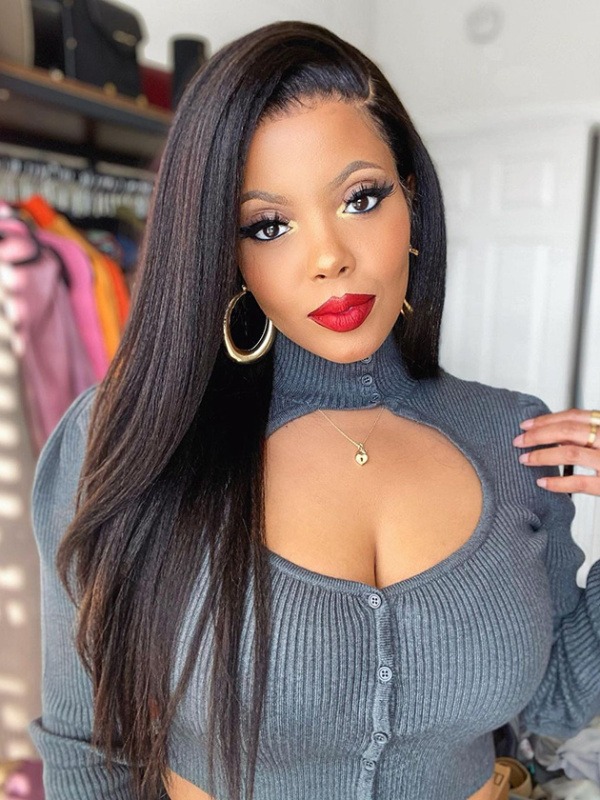
Clip-In Hair Extensions (Best First Option)
To begin with, clip‑in extensions are one of the easiest options for beginners. Unlike sew‑ins or tape‑ins, clip‑ins require no glue, no braiding, and no salon appointment. Instead, you simply clip them in and remove them whenever you like. Because of this flexibility, many beginners prefer clip‑ins.
However, from my experience, beginners should also understand both the pros and cons. Clip-ins are quick and beginner-friendly, but wearing them too long or placing clips in the same spot repeatedly can cause tension or breakage over time. That’s why I always recommend removing them at night and rotating placement areas to protect your natural hair. Clip‑In Extensions Pros and Cons Guide
However, I always tell beginners one important thing: if you can comfortably handle the weight of hair extensions, then you can start exploring other installation methods like sew-ins or tape-ins. If not, clip-ins are the safest starting point.
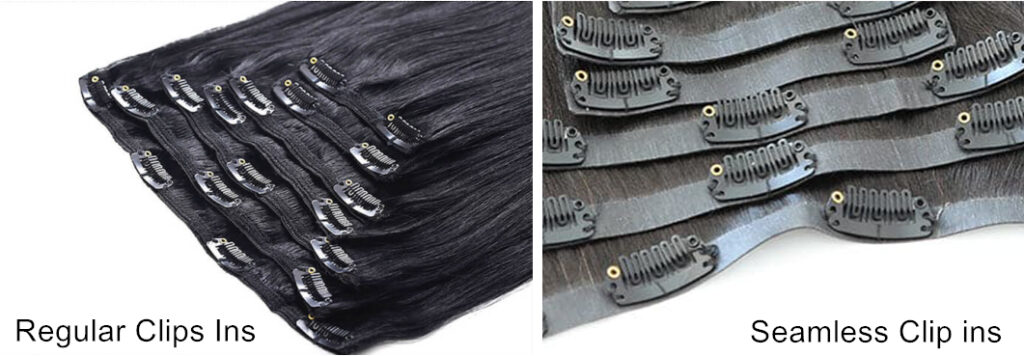
Seamless Clip‑Ins vs Regular Clip‑Ins
However, beginners often wonder which type to choose.
Seamless clip‑ins: Lay flatter, Blend better, Good for thin hair.
Regular clip‑ins:More volume, Stronger clips, Better for thick hair.
Therefore, beginners with fine hair may prefer seamless clip‑ins.
Read more: Seamless clip ins vs regular clip ins
Sew‑In Hair Extensions (Long‑Lasting Option)
On the other hand, sew‑ins are ideal if you want something longer lasting.
Unlike clip‑ins, sew‑ins can last several weeks. As a result, they require less daily styling.
However, beginners should understand a few things first.
How Many Bundles Do You Need?
This was my first mistake.
I bought two bundles, and my sew‑in looked thin.
Most beginners need:
- 2 bundles — natural look
- 3 bundles — fuller look
- 4 bundles — long and full
Learn more:How Many Bundles for a Sew‑In?
Common Beginner Issue: Itching
However, sew-ins sometimes cause itching, and I personally experienced this during my first few installs. I remember getting my first sew-in and feeling excited at first. However, after just two days, my scalp started to feel tight and itchy. At the time, I didn’t realize that my braids were installed too tightly and my scalp wasn’t properly moisturized. As a result, the discomfort made it hard to sleep, and I found myself constantly trying to scratch between the braids.
In addition, I noticed the itching became worse when my scalp was dry or when I skipped my scalp care routine. For example, during colder months, my scalp tends to get drier, which made the itching even more noticeable. On the other hand, when I started using lightweight oils and applying them carefully between the braids, the itching improved significantly.
From my experience, beginners often worry that itching means something is wrong. However, mild itching is actually common at first, especially if you’re new to sew-ins. Your scalp is simply adjusting to the braids and added hair. Therefore, it’s important to avoid overly tight braids, keep your scalp moisturized, and give your scalp a few days to adjust.
Learn more: Hair itch under sew in | 5 causes & solutions
Quick Weave (Fast Install Option)
If you want something quick and easy to install at home, quick weave is often one of the most popular choices. Compared with sew-ins, quick weaves are faster to complete and more DIY-friendly, which is one of the main reasons they have become more and more popular in recent years.
From my personal experience, quick weave was actually one of the first styles I tried after clip-ins. I liked how fast the installation was, especially when I didn’t want to sit for hours getting a sew-in done. However, I also noticed that quick weaves can sometimes cause itching, especially if the protective cap is not applied properly or if there is product buildup underneath. That itchy feeling is similar to what I experienced with sew-ins, but it tends to come faster because the install process is more direct on the scalp area.
At the same time, I understand why many people still choose quick weave. It gives a full look in a short amount of time, and it is very beginner-friendly for people who want a salon-like result without a long appointment. Because of this balance between speed and style, quick weave has become a strong alternative to traditional sew-ins.
However, beginners should still be careful. Even though it is faster, proper installation is very important to avoid discomfort and scalp issues.
Learn more : Are Quick Weaves Safe? What You Need for a Quick Weave?
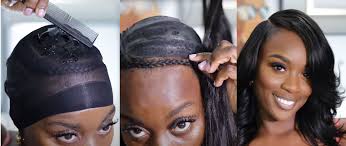
Full Weave vs Partial Weave
From my personal experience, a full weave gives you maximum protection because all of your natural hair is braided and covered. However, it can sometimes feel less flexible, especially if you like changing parting or styling your hair differently. On the other hand, a partial weave feels more natural in terms of styling because you leave some of your natural hair out, but it also means you have to style and blend your leave-out every day, which can become tiring if you’re not used to heat styling.
At the same time, lace closure vs leave-out is another decision that completely changes your experience. I personally started with leave-out, and at first I liked how natural it looked. However, I quickly realized that I had to constantly straighten or blend my leave-out to match the extension texture, which added extra daily work. Later, when I switched to a closure, I immediately noticed how much easier my routine became because I didn’t need to manipulate my natural hair as much.
Learn more:Full Weave vs Partial Weave , Lace closure vs leave out
Crochet HumanHair Extensions (Lightweight Alternative)
Meanwhile, crochet hair extensions have become an increasingly popular option, especially for beginners who want a lightweight and protective style.
One of the biggest things I personally love about crochet extensions is that they allow the scalp to breathe while still giving a full protective style.
Overall, crochet human hair has become one of my go-to options because it combines comfort, reusability, and styling freedom in a way that works really well for everyday life.
Learn more: Crochet vs sew in weave
Ponytail Extensions (Easiest Everyday Style)
If you’re nervous about full installs, ponytail extensions are perfect.
For example, I use ponytail extensions when:
- Going to the gym
- Running errands
- Quick protective styling
You will need to know : Different Types of Ponytail Extensions
Tape‑In Extensions (Natural Look)
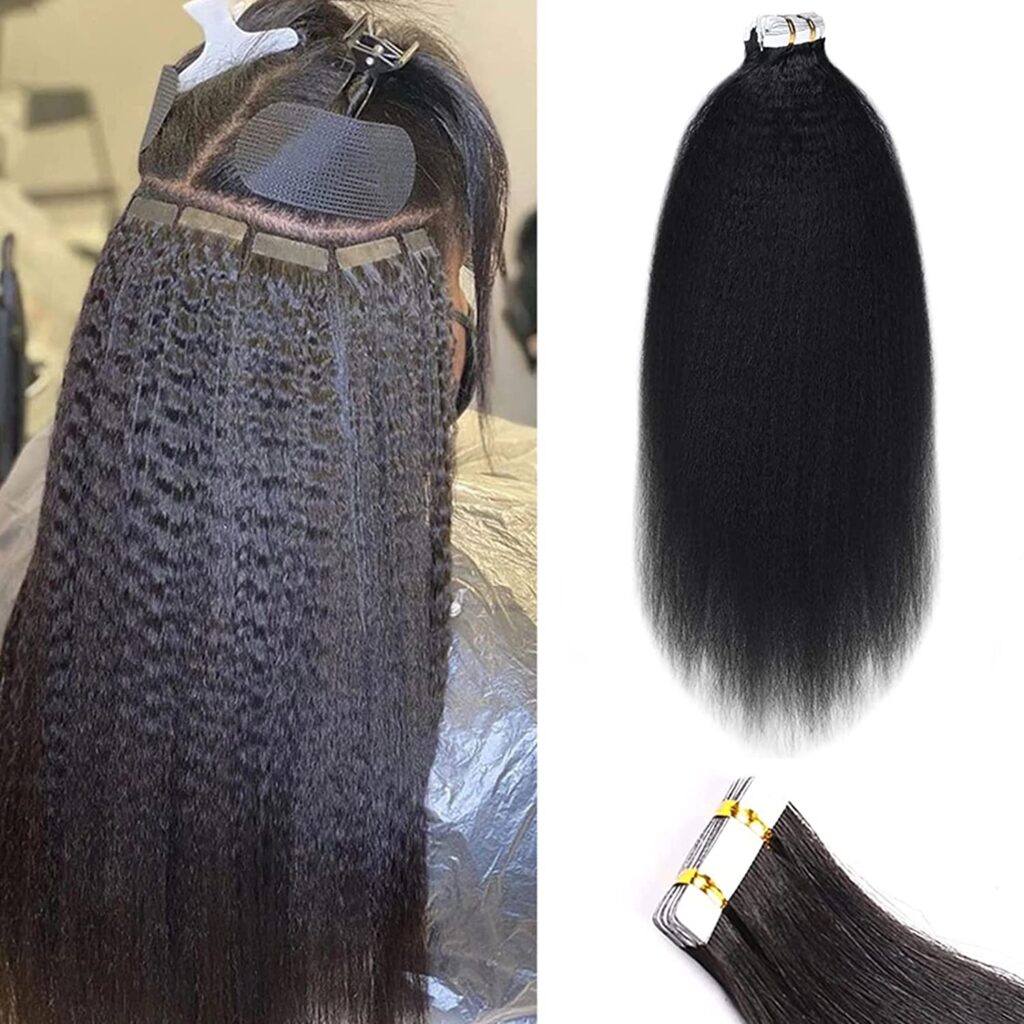
Finally, tape‑ins offer a natural look. But from my personal experience, what many beginners don’t expect is that both the installation and removal process take a lot of time and patience, even though the result looks very natural. Therefore, beginners should learn proper care.
Learn more: Are tape in extensions damaging?
Final Thoughts: Hair Extensions Should Make Life Easier
Hair extensions shouldn’t feel stressful.
They should make your routine easier, not harder.
After 6 years, I’ve learned that the best hair extensions are the ones that fit your lifestyle.
Start simple, learn what works for you, and grow from there.