Hair Color Pros and Cons: What Black Women Should Know
Changing your hair color can completely transform your appearance. A new shade, highlights, balayage, or even a bold blonde look can give you a fresh style and a confidence boost.
However, coloring natural hair is not only about changing the way your hair looks. For Black women with curly, coily, or textured hair, hair color can also change how your hair feels, behaves, and responds to your normal routine.
Before reaching for the dye, it is important to understand both the benefits and challenges. Knowing the hair color pros and cons can help you decide whether coloring your hair fits your lifestyle and hair goals.
The Pros of Coloring Your Hair
Hair Color Gives You Instant Gratification and a New Look
One of the biggest advantages of coloring your hair is the immediate transformation.
If you want lighter hair, highlights, ombre, color can create a completely different appearance without needing a dramatic haircut. A simple color change can make your hairstyle feel new and exciting.
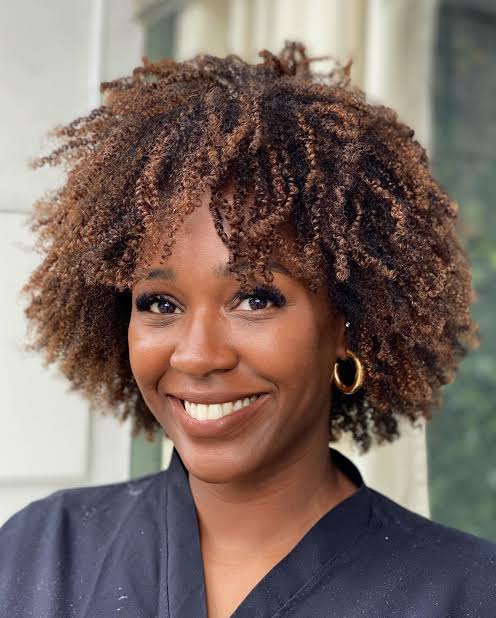
For many women, this instant change is the main reason they choose to color their hair. Maybe you want warm caramel highlights, honey blonde curls, or a softer look that adds dimension to your natural hair. Hair color allows you to experiment with your appearance and express your personal style.
Unlike some hair changes that take months to notice, color gives you visible results right away.
Coloring Hair Helps You Learn More About Your Hair
Another benefit of coloring your hair is that it can teach you more about your own hair.
Once your hair becomes color-treated, you may start paying closer attention to how your hair reacts to different products and routines. You learn what your hair needs, what ingredients work best, and how much moisture your strands require.
For example, you may discover that your curls need more deep conditioning after coloring. You may also learn that certain products make your hair softer, stronger, or easier to manage.
The more you understand your hair, the better you can care for it. Many women become more knowledgeable about their natural hair journey after experiencing color-treated hair.
The Cons of Coloring Your Hair
Hair Color Can Change Your Natural Hair Texture
One of the biggest things to understand before coloring natural hair is that your hair may not behave the same way afterward.
Coloring, especially when bleach is involved, can change the condition of your strands. Your hair may feel different, react differently to products, and require a completely new routine.
Many Black women describe colored hair as similar to going through a transition period. You may find yourself managing two different textures at the same time:
- Your natural, untreated hair
- Your chemically altered colored hair
These two areas may not curl the same way, absorb products the same way, or respond to styling techniques in the same way.
Before coloring your hair, consider whether you are ready to learn a new routine.
Colored Hair Can Become Much Weaker and More Prone to Breakage
Healthy natural hair is usually strong and flexible. However, chemical processing can weaken the hair structure, especially when you lighten your hair with bleach.
After coloring, some women notice that their hair does not feel as strong as before. The colored sections may snap more easily, leading to noticeable breakage.
This is especially important for women who want to maintain length. Even if your hair continues growing from the scalp, excessive breakage can make it difficult to retain length over time.
Your Hair May Look Dry Even When It Is Moisturized
Another common challenge with colored hair is dryness.
Many women notice that their hair looks dry even after applying moisturizing products. This does not always mean your hair lacks moisture. Sometimes, the appearance of colored hair changes because chemical processing affects the outer layer of the hair strand.
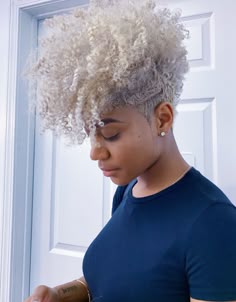
The lighter you color your hair, the more dryness you may experience. Shades like platinum blonde or very light blonde usually require more bleaching, which creates more stress on the hair.
This means achieving a lighter color often comes with a higher maintenance commitment.
Hair Color Can Make Your Hair Look Thinner
Hair color can also affect how full your hair appears.
When hair becomes damaged, some strands may break off, reducing overall volume. If you already have fine or low-density hair, this change may be more noticeable.
Some women experience what feels like a “double impact” because thinning from a haircut, combined with color-related damage, can make the hair look less full.
If maintaining thick-looking hair is one of your main goals, consider choosing a less damaging color option or avoiding extremely light shades.
Heatless Styling Can Become More Difficult
For many Black women, heatless styles such as twist-outs and braid-outs are an important part of natural hair routines. However, colored hair can make these styles more challenging.
When your hair contains multiple textures, creating one consistent style becomes harder.
For example, your natural dark hair may create a beautiful curl pattern during a twist-out, while the colored sections may look looser, drier, or have a different shape.
The result can feel uneven because different parts of your hair respond differently.
Colored Hair Requires More Time, Patience, and Extra Care
Colored hair is not always the best choice for someone who wants a simple, low-maintenance routine.
After coloring, you may need to spend more time caring for your hair. Your wash days may require additional steps, and you may need to be more careful when detangling and styling.
Think of colored hair like something delicate that requires careful handling. You cannot always rush through your routine and expect the same results as before.
If you enjoy taking extra time to care for your hair, coloring can be a rewarding experience. However, if you prefer a quick and simple routine, the maintenance may become frustrating.
A Lower-Risk Alternative to Coloring Your Natural Hair: Colored Lace Wigs
Many women love the look of colored hair but do not want to deal with the damage, maintenance, or long recovery process that can come with chemical processing.
A colored lace wig gives you the freedom to experiment with different shades while keeping your natural hair protected underneath. Instead of bleaching or coloring your own strands, you can enjoy bold colors, highlights, or trendy shades without permanently changing your natural hair texture. Whether you want a highlights wig for a dimensional look, a blonde wig for a lighter style, or a bold burgundy, ginger, or gray color, colored lace wigs allow you to try different looks without putting your natural hair through the stress of chemical treatments.
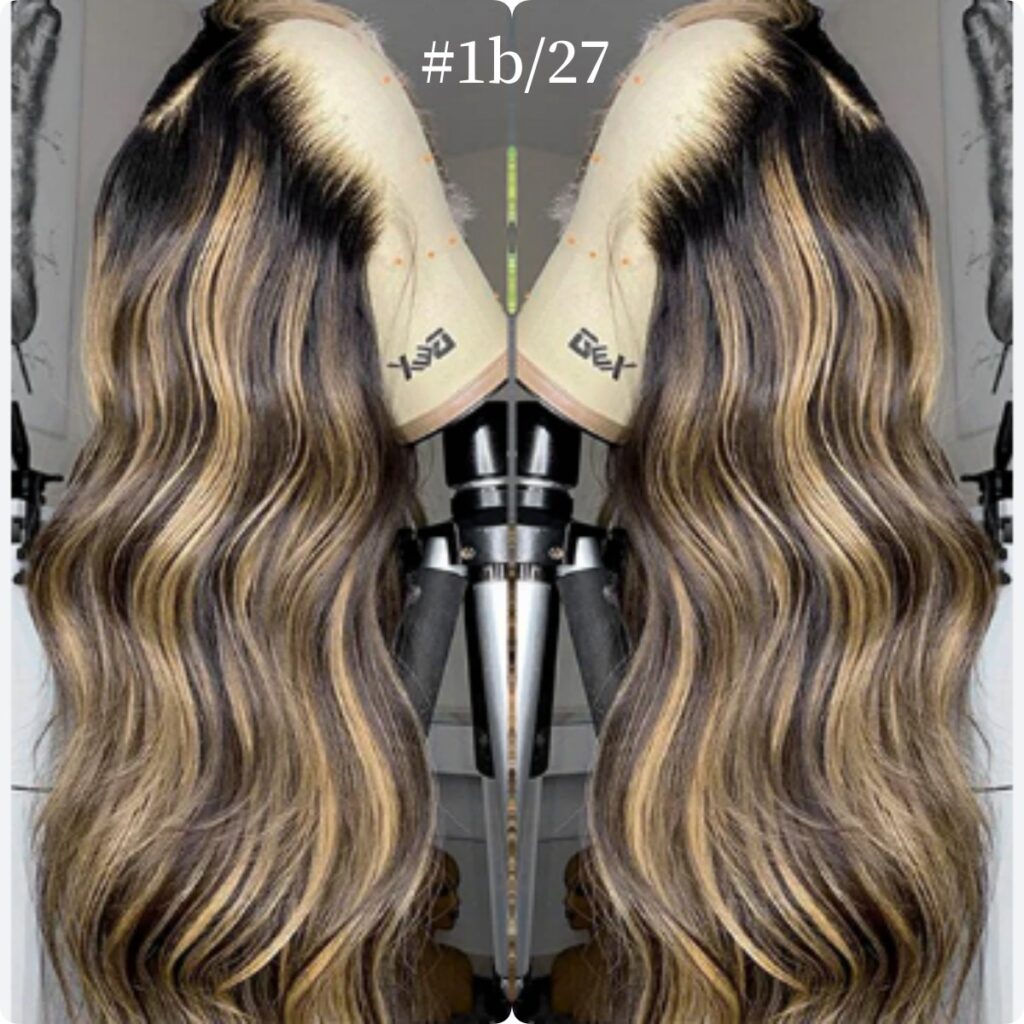
If you cannot find the exact shade you want, a 613 blonde lace wig is another great option. The light blonde base makes it easier to customize the color and create a look that matches your personal style.
Final Thoughts
Hopefully, understanding the hair color pros and cons can help you make a better decision before changing your look.
If you decide to color your hair, it is always best to work with a professional hairstylist. An experienced stylist can help you choose the right color, protect your hair as much as possible, and create a result that is much harder to achieve on your own.