We’ve been told for years that the main way to prevent heat damage is to protect our hair with heat protectants, but are these heat protectants really protecting our natural hair?
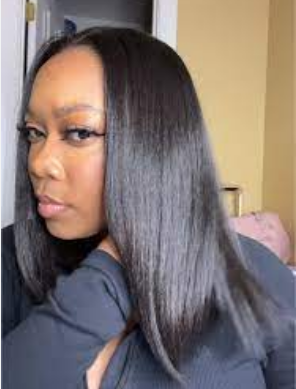
Does heat protectant really protect hair
First things first, let’s clear the air about what heat protectants can and cannot do. Many folks believe that slathering on a heat protectant is akin to donning a coat of armor for your hair. The reality? While they do create a barrier to lessen damage, they won’t transform your hair into a fire-resistant material. It’s a bit like sunscreen: it reduces harm but isn’t the ultimate shield.
Today, we’re diving into what heat really does to your hair, which ingredients are proven to defend against it.
If you’re thinking, “Okay, but how do I know if my product has the good stuff?”—it all comes down to the ingredient list. Look out for these ingredients, especially in the top half of the label.
Science-Backed Heat Protectant Ingredients: What Really Works
1. Glycerin & Propylene Glycol
Think of these as the trusty sidekicks for your cuticle. Both are humectants—they pull moisture into the hair and, crucially, slow down how fast water leaves the hair shaft during heat exposure. That keeps the cuticle layer more supple and less prone to cracking.
2. Polyvinylpyrrolidone (PVP) & Acrylic Polymers
Mouthfuls, sure, but these guys are masters at protecting your hair’s internal proteins. When heat hits, they create a thin, flexible film over the hair, reducing the loss of amino acids and keratin. They won’t stop cuticle cracks, but they’re champions for reducing protein loss.
3. Hydrolyzed Wheat Protein
Hydrolyzed (meaning broken into smaller pieces for better absorption), this plant-derived protein fills in gaps in the hair shaft. It helps strengthen weakened areas, reduces breakage, and along with other proteins, has been clinically shown to reduce protein loss when heat styling.
4. Quaternium-70 & Other Quats
These quaternary ammonium compounds are a bit like static-fighting superheroes for your strands. They latch onto the hair and, much like the polymers, create a protective barrier that shields the inner hair from some heat-related protein loss.
Does silicone protect hair from heat
Let’s talk about silicones. They get a mixed rep (especially in the curly community), but when it comes to heat protection, certain silicones bring serious science-backed benefits.
Silicones: Dimethicone, Amodimethicone & Friends
These ingredients act as a shield, coating the hair surface and reducing the speed at which heat travels to the core. Their low thermal conductivity means they absorb and slowly distribute heat, which—wait for it—gives your hair a fighting chance to hang onto moisture and proteins. Amodimethicone, in particular, is loved for being slightly lighter than the classic dimethicone, making it more suitable for finer hair.
Protein-Bound Silicones
Here’s where things get fancy: hydrolyzed wheat protein PG-propyl silanetriol and hydrolyzed vegetable protein PG-propyl silanetriol are hybrids, combining the strengthening power of proteins with a silicone backbone. They cling to weak spots in the shaft, plugging gaps and reducing protein loss under heat. So, if your goal is bounce and shine—with actual scientific backing—these are ingredients to cheer for.
Pro tip: No single ingredient does it all! Silicones shine when it comes to outer barrier protection and moisture retention, while proteins and polymers target internal strengthening. For the best defense, products that combine these ingredients stack your odds against heat damage.
Helpful link: The 15 Best Heat Protectants for Natural Hair
How to properly use heat protectant
So, cranking your flat iron to maximum heat with the belief that your hair will emerge unscathed? That’s wishful thinking. As with most things in life, moderation and proper technique are key.
1: Start with Clean, Damp Hair
Heat protectants work most effectively when they’re applied to freshly washed, towel-dried hair. The formula can sink in and coat the strands before any real heat comes into play.
2: Layer Under Styling Products
Think of your heat protectant as underwear: the first thing on, closest to your hair! If you use creams, gels, or mousses, apply those *after* your protectant to avoid diluting its strength.
3: Let It Dry
Many sprays and serums need a minute or two to settle in. Using heat tools directly on wet product can fry your strands. Give it time to absorb.
4: Turn Down the Temp
Most hair types do fine below 180°C (350°F). Only go hotter for very coarse or resistant hair—and even then, sparingly.
5: Work Section by Section
Don’t just spritz your crown and call it a day! Divide your hair into small sections and thoroughly distribute the product—from root to tip, focusing on the ends (they suffer the most!).
Insider Tip: If you’re going for extra credit, try layering a leave-in conditioner containing these heat-protecting ingredients under your main heat protectant. This can boost coverage and ensure every strand gets some TLC.
Think of hair styling like a dance with your favorite partner: it’s all about the right moves. Aim to style smaller sections at a time, so your trusty heat tool doesn’t overdose any one spot. Similarly, try not to refine each section with multiple passes.
Conclusion
Here’s the reality: even the best heat protectant isn’t a magic wand . Research shows they can reduce heat stress by about 25-50%, but cannot erase damage entirely. That means if you’re regularly using high temperatures, your hair is still at risk.
By combing moderation with the right products, you’re investing in your hair’s long-term health—meaning smoother, shinier, stronger locks down the line, without having to ditch your favorite styles.
Helpful links: