For those who want flexible styling, consider a texturizer.
It lets you switch between curly and straight hair.
Plus, it gives you a softer texture.
You get a smooth change without going too drastic.
Despite its appealing benefits, texturizing also comes with its fair share of challenges. One of the most common issues is the inconsistency in curl patterns post-texturizing. Because different parts of the hair can react variably to the chemical treatment, some areas may end up straighter or coarser than others. This can lead to an uneven look that can be difficult to manage and style uniformly.
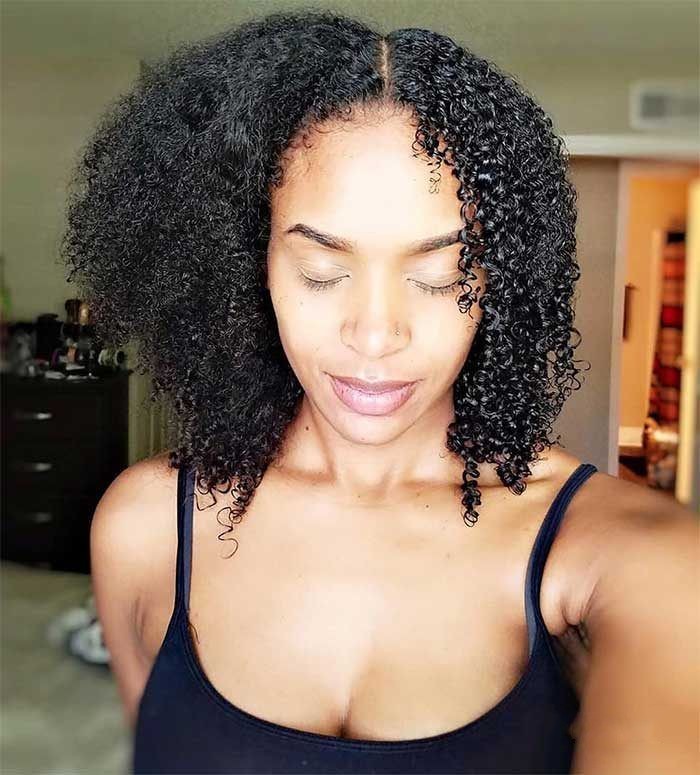
Will texturizer damage your hair?
A Hidden Risk in Texturizing
Overprocessing emerges as a severe risk when texturizing hair, primarily because the process involves altering the natural curl pattern of the hair.
The overlapping of chemical treatments over natural hair can lead to unexpected damage, as the boundary between processed and natural hair becomes a weak spot prone to breakage. Moreover, the desire to achieve a consistent texture often tempts individuals to re-apply texturizers too frequently, compounding the damage. This repeated chemical exposure wears out the hair cuticle, making it more susceptible to breakage, split ends, and an overall unhealthy appearance.
The decision to texturize should account for these risks, acknowledging that the pursuit of a uniform texture might come at the cost of the hair’s health and integrity.
Will texturizer damage your hair?
The Dry Hair Dilemma: Understanding Hair Porosity
Texturizing can significantly affect hair porosity, leading to a common issue—dryness.
Chemicals used in the process compromise the hair’s cuticle layer, allowing moisture to enter and escape the hair shaft much more easily. While this can make hair initially manageable by temporarily smoothing the strands, it ultimately leads to increased dryness as the moisture balance becomes more difficult to maintain.
Texturized hair often struggles to retain moisture, requiring extensive hydration routines and products to counteract the dryness. This dry hair dilemma can cause additional issues, such as frizziness, tangling, and the need for more frequent trims to manage unhealthy ends. Understanding and addressing hair porosity becomes central in caring for texturized hair and keeping it looking healthy.
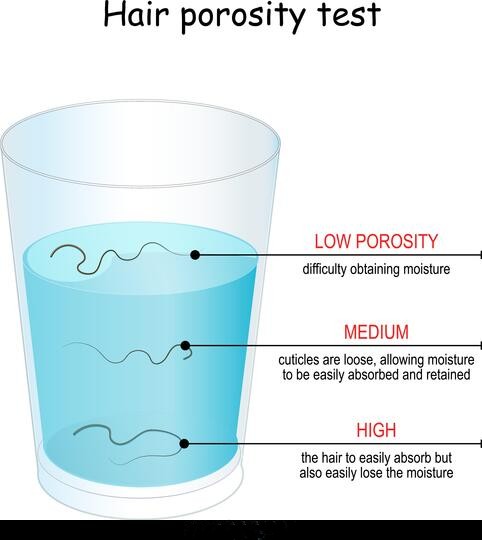
Helpful link: How do you determine your hair porosity?
Once hair is texturized, it requires dedicated upkeep far beyond what natural hair demands. The chemicals used in texturizing weaken the hair’s natural structure, demanding more frequent conditioning and specialized hair care products to maintain the desired style.
Regular visits to the salon become a necessity to ensure that new growth blends seamlessly with processed strands, adding a financial burden as well.
As a result, maintaining texturized hair proves to be a time-consuming and costly affair, making it a higher maintenance option compared to nurturing natural hair.
Conclusion
Ultimately, hair journeys are very personal.
Also, quitting chemical treatments is a big decision.
This choice depends on many factors.
For example, it can relate to your health.
It also connects to your daily lifestyle.
And it’s often about expressing yourself.
For those seeking alternatives to chemical treatments, embracing natural solutions offers an attractive option.
You have many options to change your style. For instance, wigs offer great versatility every day. Also, weaves and extensions add volume or length. Best of all, these choices don’t change your natural hair. So, you avoid any permanent commitment.
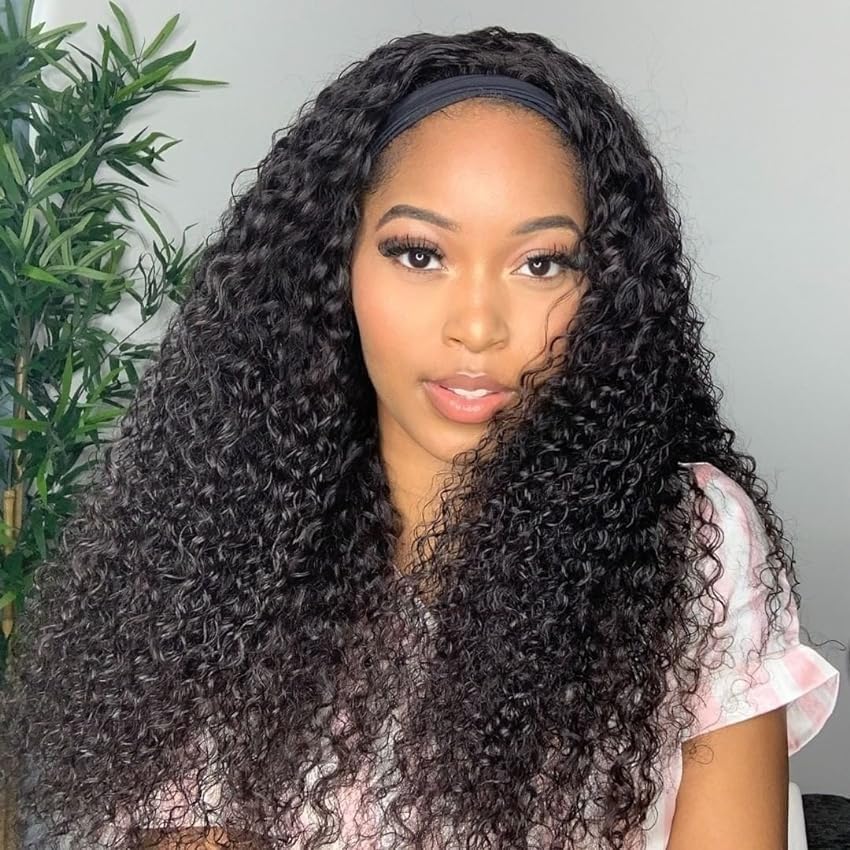
Helpful link: Easy wigs to put on
Locks, on the other hand, celebrate the natural pattern of curly hair while allowing for self-expression and individuality. Embracing protective styles can enable individuals to navigate various looks while maintaining their natural hair health. These alternatives prove that transforming one’s appearance doesn’t necessitate compromising their natural beauty or the integrity of their hair.
Helpful link:
11 Best Texturizers For Natural Hair To Make Them Bouncy (2025)