Wigs for Beginners: The Complete Guide for Black Women
If you’re new to wigs, I completely understand how overwhelming it can feel.
When I first started wearing wigs, I had so many questions:
Will it look natural?
Will it feel uncomfortable?
Do I need glue?
What type should I start with?
And honestly, most beginner guides online felt too technical. They talked about lace sizes and densities but didn’t really explain how wigs actually feel in real life.
So in this guide, I want to share everything I wish I knew when I first started wearing wigs — especially for Black women with natural hair.
By the end of this article, you’ll understand:
- The best wigs for beginners
- The easiest wigs to wear
- What density really feels like
- Which lace size is beginner friendly
- How much does a beginner wig usually cost?
- Common beginner wig mistakes
Let’s start with the most important question.

Why Many Black Women Start Wearing Wigs
For many Black women, wigs aren’t just about style. They’re also about convenience, protection, and confidence.
For example, when I was growing my natural hair, I found myself constantly manipulating it — detangling, styling, moisturizing. Over time, I realized that too much manipulation was actually slowing my growth.
That’s when I started using wigs as protective styling.
And honestly, it made a huge difference.
Not only did my natural hair grow better, but I also enjoyed the flexibility of changing styles without damaging my hair.
Many beginners choose wigs for similar reasons:
- Protect natural hair
- Save time in the morning
- Try different hairstyles
- Avoid heat damage
Once you start wearing wigs, you’ll probably realize how convenient they really are.
However, not all wigs are beginner-friendly. Some require glue, customization, or styling experience.
So let’s talk about the easiest wigs for beginners.
The Best Wigs for Beginners (From My Experience)
When I first started, I made the mistake of buying a full lace wig. It looked beautiful, but honestly, it was too complicated for a beginner.
I had to: Cut lace, Apply glue, Style baby hairs. It took time to learn.
That’s why I usually recommend beginners start with simpler wigs first.
Headband Wigs – The Easiest for Beginners
If you’re brand new to wigs, headband wigs are probably the easiest place to start.
What I personally love about headband wigs is how simple they are. There’s no lace, no glue, and no cutting required.
You literally: Put it on, Adjust the headband, You’re done.
This makes them perfect for: Busy mornings, First-time wig wearers, Protective styling.
However, headband wigs also have a few downsides. For example, you can’t create a middle part or side part like lace wigs.
If you’re deciding whether headband wigs are right for you, I recommend reading:
Half Wigs vs U Part Wigs(Very Natural for Beginners)
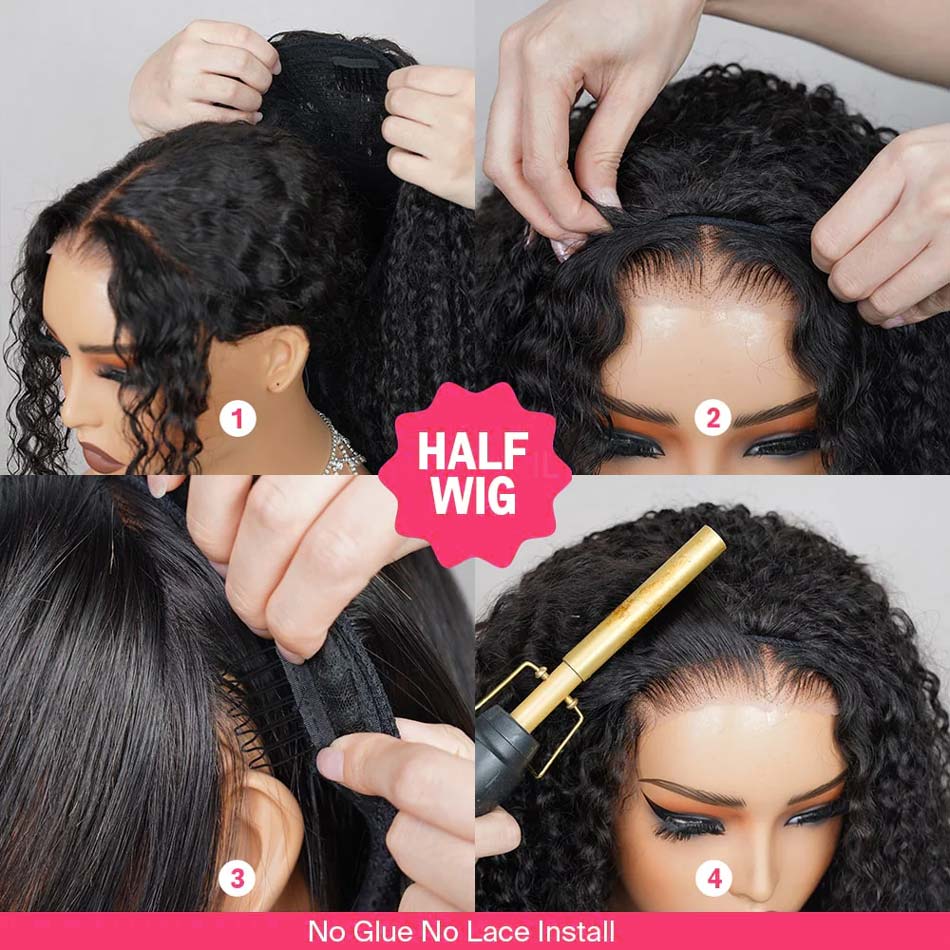
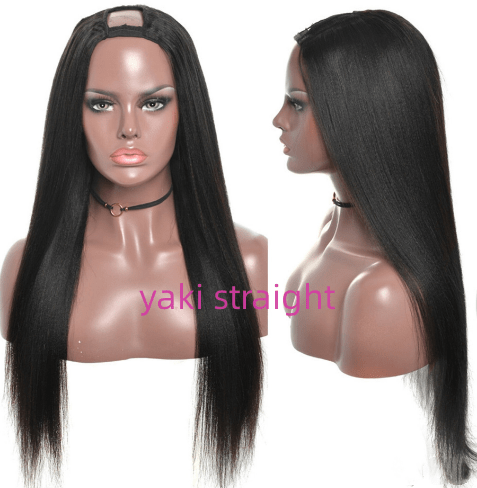
Another beginner-friendly option is half wigs, U part wigs and V part wigs.
Personally, I love these because they blend with your natural hair. That means your hairline still looks completely natural.
For beginners, this can feel more comfortable because you’re not worrying about lace or glue.
At the same time, they still give you:More volume, More length, More styling flexibility.
However, these wigs do require leaving some natural hair out, which may not work for everyone.
You can learn the difference here: Half wig vs U part wig , V part vs U part wig.
Lace Front vs Full Lace Wigs for Beginners
When I first started wearing wigs, I kept hearing about lace front wigs and full lace wigs. At first, I thought full lace wigs must be better because they sounded more premium.
However, after wearing both, I realized something important — full lace wigs are not always beginner-friendly.
Let me explain why.
Lace front wigs usually have lace only in the front. That means:
- Easier to install
- Less lace to manage
- More comfortable for beginners
On the other hand, full lace wigs have lace all around. While this gives more styling flexibility, it also means:
- More delicate handling
- More time to install
- Higher price
Personally, when I’m recommending wigs for beginners, I usually suggest lace front wigs first. They still look very natural, but they’re much easier to manage.
If you’re still deciding, this comparison helps a lot:
Front lace wig vs full lace wig
Understanding Wig Lace Size for Beginners
Another thing that confused me at the beginning was wig lace size.
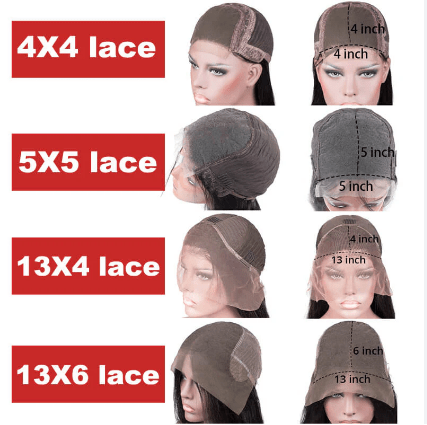
You’ll often see terms like: 13×4 lace front wig, 13×6 lace frontal wig, 5×5 lace closure wig, 4×4 lace closure wig.
At first, I didn’t know what these numbers meant. But once I started wearing different wigs, I noticed the difference immediately.
For example, Larger lace size means:More parting space, More styling flexibility, More natural look.
However, here’s something beginners often don’t realize — larger lace also means more work.
From my experience, 5×5 closure wigs are one of the best options for beginners. They still look natural but are easier to handle.
If you’re curious about lace sizes, this guide explains everything:
Wig Density Explained (From Wearing Experience)
When I bought my first wig, I chose 200% density because I thought fuller hair would look better.
However, once I wore it, I realized it felt heavier than I expected.
That doesn’t mean high density is bad. But for beginners, it can feel a bit overwhelming.
Here’s what I noticed from wearing different densities:
150% density – Feels lightweight and natural
180% density – Most balanced and beginner-friendly
200% density – Fuller but slightly heavier
Personally, I often recommend 180% density for beginners. These densities feel more comfortable and easier to style.
Choosing the Right Wig Size (Comfort Matters More Than You Think)
One thing I learned quickly is that wig size really affects comfort.
If the wig is too tight, it can cause: Headaches, Discomfort, Pressure on edges.
If it’s too loose, it may: Slide, Feel insecure, Look unnatural.
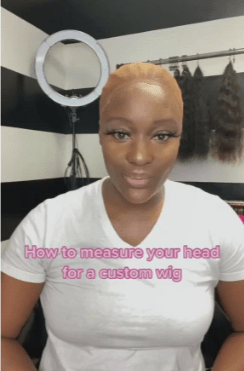
That’s why measuring your head is so important.
Most wigs come in: Small, Medium, Large.
But everyone’s head shape is different, so measuring is always the safest option.
Here’s a helpful guide: How to Measure Your Head for a Wig Size?
Do Beginners Need a Wig Cap?
This is another common question.
Personally, I sometimes wear a wig cap and sometimes I don’t. It really depends on the wig type and how I want it to feel.
Wig caps help:Flatten natural hair, Protect natural hair, Improve comfort.
However, some beginners prefer glueless wigs without wig caps because they feel lighter.
If you’re unsure, this guide explains it well: Is a wig cap necessary?
Things You May Need for a Lace Front Wig
When I first bought a lace front wig, I didn’t realize I might need a few extra items.
Some beginners use: Wig cap, Wig glue, Wig tape, Edge brush.
However, many beginners now prefer glueless wigs because they require fewer tools.
You can learn more here: Things You May Need for a Lace Front Wig
Lace Wig Tape vs Glue
When I first tried wig glue, I was nervous. I worried it might damage my edges.
So I started with wig tape, which felt easier and cleaner.
From my experience:
Tape: Easier to apply, Less messy, Beginner-friendly.
Glue: Stronger hold ,Longer wear.
If you’re new to wigs, starting with glueless or tape is usually more comfortable.
More details here: Lace wig tape vs glue
Human Hair vs Synthetic Wigs— What I Recommend for Beginners
When I bought my first wig, I actually started with a synthetic wig because it was more affordable. At the time, I wasn’t sure if I would wear wigs regularly, so it felt like a safer option.
However, after wearing both synthetic and human hair wigs, I noticed some clear differences.
Synthetic wigs are: More affordable, Low maintenance, Ready to wear.
However, they also: Tangle faster, Have limited styling options, Usually last shorter.
On the other hand, human hair wigs feel much more natural. From my experience, they also: Last longer, Allow heat styling, Look more realistic.
If you’re planning to wear wigs regularly, I usually recommend starting with a human hair wig. It might cost more upfront, but the experience is often better — especially for beginners who want something natural and comfortable.
If you’re still deciding, this guide explains the differences in detail:
How Much Does a Beginner Wig Usually Cost?
This is one of the first questions I had when I started wearing wigs.
And honestly, wig prices vary quite a lot. It depends on: Hair quality, Length, Density, Lace size.
From my experience, beginner wigs typically fall into these ranges:
$100–$150 – Entry-level beginner wigs
$150–$300 – Most beginner-friendly human hair wigs
$300–$500 – Premium beginner wigs
Of course, you don’t have to start with the most expensive option. Many beginners start with mid-range wigs and then upgrade once they feel more comfortable.
If you’re curious about pricing, this guide explains everything:
How Much Does a Beginner Wig Cost?
Things I Wish I Knew Before Buying My First Wig
Looking back, there are a few things I wish I had known earlier.
First, simpler is better.
When you’re just starting, beginner-friendly wigs are much easier to manage.
Second, comfort matters more than volume.
I initially chose higher density wigs, but later realized lighter wigs felt better for everyday wear.
Third, glueless wigs are great for beginners.
They’re easier to wear and less stressful.
Common Beginner Wig Mistakes (From Experience)
After wearing different wigs over time, I noticed beginners often make similar mistakes.
Choosing too high density
Buying wrong wig size
Starting with complicated lace wigs
Using too much glue
I made some of these mistakes myself. But once I switched to beginner-friendly wigs, everything became much easier.
That’s why I always recommend starting simple and building confidence over time.
Final Thoughts: Choosing Your First Wig
If you’re new to wigs, it’s completely normal to feel unsure at first. I felt the same way when I started.
However, once you find your first comfortable wig, everything becomes much easier.
Start simple.
Choose beginner-friendly styles.
Focus on comfort and natural look.
Over time, you’ll discover what works best for you.