Ah, relaxed hair—the sleek, smooth, and effortlessly elegant kind of hair that many dream of. But as anyone with relaxed hair knows, maintaining its beauty is not without its challenges. Are you struggling with hair breakage and wondering why is my relaxed hair breaking?
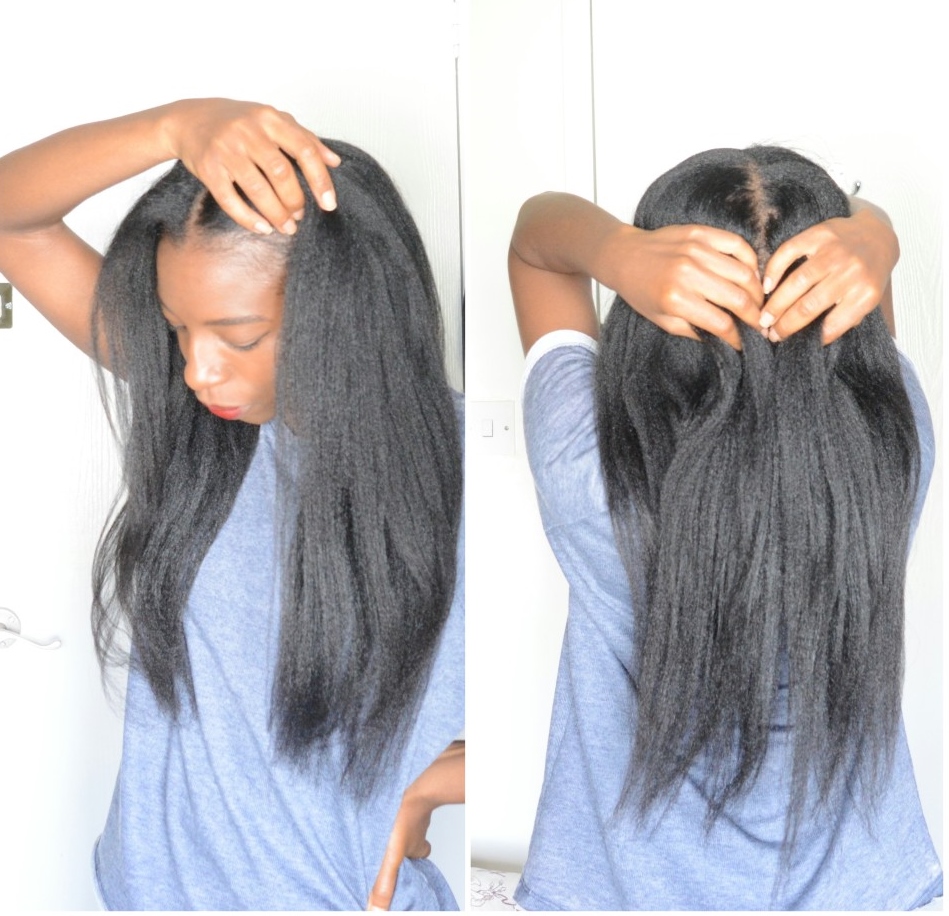
Why is my relaxed hair breaking
At its core, relaxed hair has undergone a process where the natural bonds are broken down and reshaped, giving you that sleek finish. However, this chemical alteration leaves hair more vulnerable to breakage.
At the top of the list is dryness.
Balancing moisture and protein in your hair is like mastering the perfect coffee-to-milk ratio for that latte—you know it when it’s right. Moisture keeps your hair supple while protein fortifies the strands to prevent crumble under pressure. Listen to your hair’s needs; if it’s feeling mushy or limp, it might need a boost of protein. Conversely, if it feels brittle, a moisture infusion could be the answer.
Pair this with a weekly deep conditioning treatment to restore moisture and a monthly protein treatment to shore up your hair’s strength.
Let’s talk about heat— relaxed hair’s frenemies. On the one hand, it helps achieve sleek styles, but on the other, it can be your hair’s worst nightmare if misused. Heat strips your hair of moisture, making it dry, brittle, and more prone to breakage. Continually using high heat without protectants? It’s a recipe for disaster.
Give your hair a heat holiday. Approach styling tools with caution and pamper your strands with heat protectants and strength-building serums before cranking up the heat.
Why is my relaxed hair breaking
Another cause of breakage is overzealous relaxing. Hair needs a breathing space; six weeks at a very minimum, or extending up to four months, prevents overlap damage. Plus, remember to protect those ends with a dollop of olive or coconut oil before applying a relaxer, reducing the chances of over-processing and breakage.
Sign for over processed relaxed hair
Imagine hair that just refuses to cooperate. It’s limp, lifeless, dry as the Sahara,and breaks if you so much as look at it sideways. You might notice split ends, endless frizz, roughness, and a dull sheen that makes shine a distant memory. Styling becomes almost impossible. Combing? Forget it without a handful of strands coming out. Sometimes, hair feels oddly spongy or mushy when wet, then extra brittle when dry.
Imagine a garden filled with vibrant blooms. For the garden to thrive, a little pruning is essential—just like your hair. Regular trims, every 8 to 12 weeks or timed with your relaxer touch-ups, keep split ends at bay and prevent breakage from traveling up the hair shaft.
It might seem counterintuitive for those hoping to grow longer locks, but removing damaged ends promotes healthier growth in the long run. Consider it an investment in the overall health of your hair.
Your hair’s temperamental, and treating it gently is key. Think of your hair like your favorite silk blouse; you’d want to treat it with love and care. A satin bonnet at bedtime is a great start! It reduces friction against your pillow, and believe it or not, that can make all the difference.
Conclusion
By embracing these practices, maintaining your relaxed hair transforms from a chore to a beautiful habit.
Helpful link: Pros and cons of relaxing your hair