Still wondering why your hair’s dry after deep conditioning? Let’s break down the TOP 5 mistakes that are keeping your natural hair from staying moisturized and thriving. Whether you’ve got dry 4C hair or just want to keep your hair hydrated and growing long, these tips will help. Trust me, you don’t want to miss these— they might just save your hair’s life!

Why is my hair still dry after deep conditioning
Here’s the thing: as crucial as deep conditioners are, they can only work their magic if you’re using them right.
Mistake #1 Using Insufficient Product for Hair Length and Thickness
The amount of deep conditioner you need depends entirely on your hair’s length, density, and even how thirsty it’s feeling post-wash.
Natural hair, with all its glorious volume, often needs *way* more product than most instructions suggest. If you have thick, long, or especially textured hair, a little dab won’t do much. Instead, divide your hair into sections (four, six, or even eight—no judgment!), and make sure every curl and coil is lavishly coated. Work the product through with your fingers or a wide-tooth comb until you feel the slip from root to tip. Give every strand the love it craves; you’ll see (and feel) the difference.
Mistake #2 Not Following the Recommended Treatment Duration
We’ve all thought, ‘If 10 minutes is good, 60 must be amazing!’ Turns out, not so much.
Every deep conditioner has its own recipe and science-backed timeline printed right on the jar. Those fifteen or twenty minutes aren’t arbitrary—they’re tested for maximum benefit without weighing hair down or risking buildup.
Leaving your deep conditioner on for hours (or even overnight) doesn’t magically supercharge the effects. In fact, it can cause hygral fatigue—that’s when your hair cuticle gets over-saturated, leading to mushy, weakened strands.
The better strategy? Set a timer for the recommended time and, if your routine allows, add some gentle heat (like a hooded dryer or steamer) to help the product penetrate. You’ll give your hair the nutrients and hydration it needs—without any risk of overload or soggy roots.
Why is my hair still dry after deep conditioning
Mistake #3 Jumping from product to product every week
Raise your hand if you have a bathroom shelf crowded with half-used shampoos, conditioners, and “miracle” leave-ins. (No judgment, we’ve all been there.) It’s so tempting to chase the next viral product, especially when promises of instant transformation are everywhere. But here’s a little secret your hair wishes you knew: results take time.
Jumping from product to product every week doesn’t just confuse your routine—it confuses your hair, too. Most hair needs 2 to 4 weeks to fully react to a new shampoo or styling cream. If you switch too quickly, you’ll never discover what’s genuinely working, and what’s just hype.
Instead, pick a simple lineup and stick with it for at least a month. Make tweaks methodically, one product at a time. This way, you’ll get to know your hair’s true likes and dislikes—no more second-guessing your shelf of half-empty bottles.
Here’s the golden rule: there’s no one-size-fits-all in hair care, no matter what Instagram “miracle routine” might claim.
Start by observing how your hair reacts to different products and routines. Use a hair diary (seriously, jot down wash days and what you used). Try not to blindly copy trends—what works for your favorite beauty influencer may not suit you at all. Pay attention to how your hair feels after a good routine: is it soft, shiny, less frizzy? If not, adjust—gently.
Personalized care is all about listening and tweaking, not starting over from scratch.
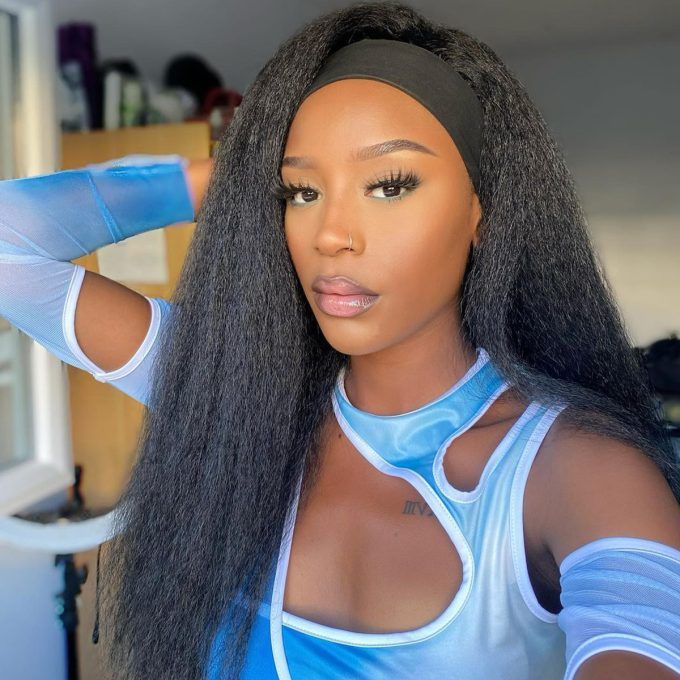
Mistake #4: Failing to Rinse Out Deep Conditioner Thoroughly
If you rush through rinsing, leftover conditioner can linger on your strands and scalp. Sound harmless?Not so fast. Product residues attract dust, dull your natural shine, and can clog your scalp over time, leading to itchiness or even flakes. And if you’re planning to style your hair, buildup from not rinsing thoroughly can make products like gels or creams clump and flake—major vibe killer. Make it part of your routine to rinse with lukewarm water, separating your hair in the shower to reach every spot (especially at the roots and at the nape of your neck).
Does my hair need protein or moisture
Now comes the fun part: picking the deep conditioner that’s just right for your hair’s personality. Not all deep conditioners wear the same hat! Some are hydration heroes, while others are all about rebuilding strength with proteins.
First, get to know your hair. If your strands are feeling dry, rough, or have been processed or heat-styled recently, a moisturizing deep conditioner is calling your name. Look for ingredients like aloe vera, glycerin, or shea butter—these are all fabulous for quenching thirst.
But what if your hair feels weirdly limp, over-soft, or almost “gummy” when wet? That’s a possible sign your hair needs a protein boost. This commonly crops up if you’ve been using tons of moisturizing products or have done chemical treatments. In that case, try a protein-based deep conditioner with ingredients like keratin, hydrolyzed wheat protein, or silk amino acids—these add strength, restore bounce, and help with elasticity.
Finding that sweet spot (and alternating as needed) is key—too much moisture versus too much protein can throw off your hair’s balance, leading to frizz, brittleness, or limpness. Listen to your hair’s signaling and don’t be afraid to switch it up occasionally. If you’re stumped, start with a moisture-based formula and check how your hair responds before experimenting with protein. Remember—hair care isn’t one-size-fits-all, and part of the journey is discovering what makes your hair happiest!
Conclusion
Building a strong, effective deep conditioning routine lets your beautiful texture thrive—whether it’s twist-outs, wash-and-gos, or big, bold afros.
So, next time the dryness drama strikes, circle back to these basics: keep your hair and scalp fresh, moisturize before you seal, be a deep conditioning regular, give products a real chance before moving on, and always, always personalize. With a bit of thoughtful, consistent care, soft, hydrated hair isn’t just possible—it’s your new normal.
Helpful links: Why is my relaxed hair breaking?