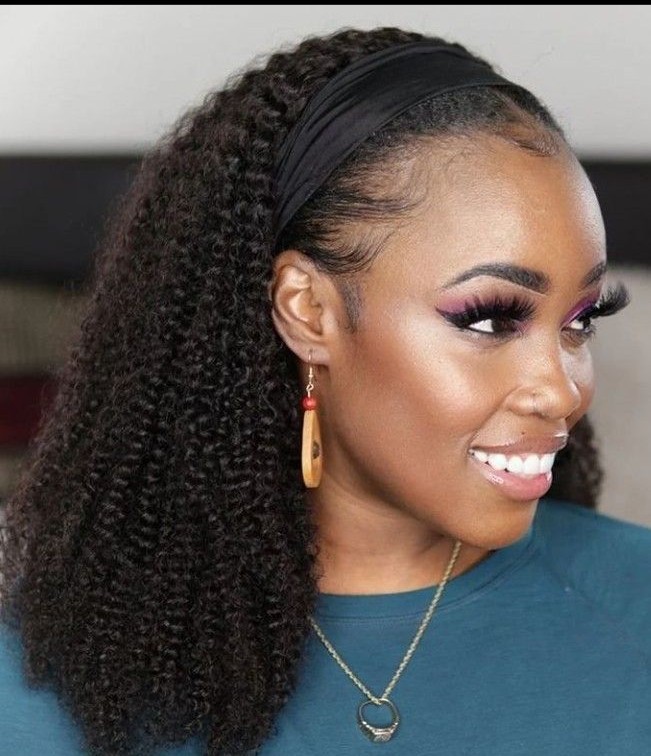
Each type of loc style tells its own story and brings out your personality, whether you’re after a low-maintenance routine, maximum volume, or something in-between. Your hair’s texture and density strongly influence which type of lock will serve you best, both practically and aesthetically.So,what type of locs should I get to flatter your texture,fit your lifestyle,and keep your hair happy?
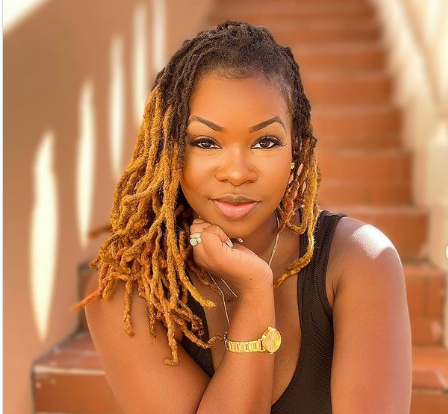
What type of locs should I get
Let’s start with the tiniest stars of the lock family: Sisterlocks and Microlocs. From afar, they look pretty similar—both are small, neat, and bring a lightweight magic to your crown. But the differences? Oh, they matter depending on what you want!
Sisterlocks are like the tailored suits of the loc world—tiny, uniform, and highly customizable. Invented specifically for natural Afro-textured hair, Sisterlocks use a trademarked interlocking technique starting at the root with a precise grid parting.
Imagine dreadlocks that are neat, tiny, and oh-so-versatile—you could style them in intricate updos, rock goddess-like braids, or just let them flow free. That’s the magic of Sisterlocks.
Developed by Dr. Joanne Cornwell in the U.S., this is more than a hairstyle—it’s a full system. Each lock is about 2 to 3 mm wide, and hundreds of them are installed with precision by trained Consultants. Pros: You get lightweight locks, rarely feel heavy, and have endless styling options.
They’re especially dreamy for 4C hair, but because the method is so secure, fine- or loose-textured folks can get in on the fun, too. If your hair is fine or has lower density, Sisterlocks can actually boost things, making your hair look fuller over time.
Let’s chat about the real talk: commitment. Installing Sisterlocks isn’t a quick affair. It often takes up to 24 hours over multiple sessions (yes, bring snacks and your favorite playlists). Price-wise, expect to invest a minimum of $800—and that can soar higher in bigger cities. Maintenance? You’re not off the hook. Retightening is due every 6 to 8 weeks, costing between $120 and $200 a pop. And there’s a catch: only trained, certified Consultants can officially install and retighten them—meaning convenience and quality can vary, especially outside the U.S.
Are microlocs better than sisterlocks?
If Sisterlocks are the tailored suit, Microlocs are the casual blazer—adaptable, stylish, and a bit easier on your budget. They’re small but slightly bigger than Sisterlocks, and you can install them with braids, twists, or interlocking.
Unlike Sisterlocks, you don’t have to follow a grid, and you can totally start them at home. They’re perfect for 4C textures, especially when using twists, and if your hair is on the finer side, they help plump up the volume the longer you have them.
If your hair is looser or straighter, braids or interlocking work better to keep things tidy. Maintenance? Minimal—just keep ‘em clean, separated, and retightened as they grow. Microlocs could be your anser to what type of locs should I get,especially if you want freedom with size,maintenance,and styling,all while supporting healthy hair.
What are traditional locs
These are the classic, medium- to large-sized locs most people picture. You can start them with palm rolling, coiling, or sometimes backcombing (especially if your hair is on the straighter side). You will need some products here—think balms, gels, or waxes for installation and retwisting, but don’t overdo it! Their look is iconic, their maintenance schedule is pretty chill (retwist every 4–6 weeks), and while they get thicker as they mature, they don’t add tons of volume. If your hair is coily or thick, you’ll find these a breeze—your texture grips and holds, reducing any unraveling drama. Fine-haired folks can do it, too; just be careful with size.
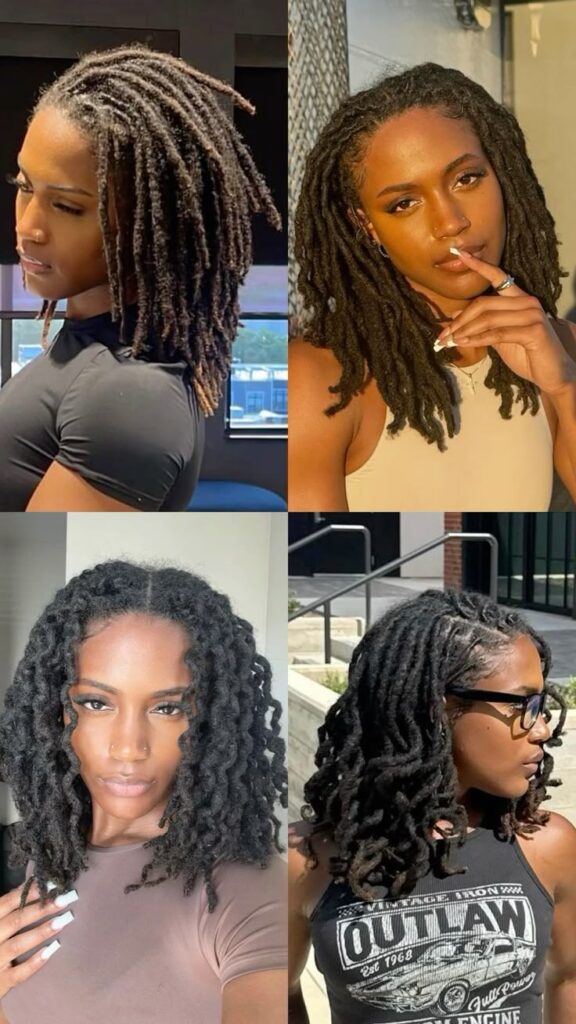
Freeform & Semi Freeform Locks
These styles are all about letting your hair be—think bohemian and lived-in. No grids, no retwisting, and no pressure. With freeform, you literally let your hair lock up as it wants (just keep it clean and separate big sections to avoid congos
, unless you’re after those!). With semi-freeform, you give your locs a gentle hand—occasional palm-rolling or root separation, but mostly leaving things to chance. All you really need is regular shampoo and maybe some natural oils. The more texture and density you have (from 3A up to 4C), the faster and more uniformly your locs will form. Straighter hair can still rock freeform—just expect some patience as your hair takes its time to mesh. These styles are perfect for anyone who wants a super-low-maintenance routine and celebrates natural individuality.

Conclusion
Let’s be honest: no one-size-fits-all advice applies when your hair is involved. Your unique blend of hair type and density is the real MVP here.
Sisterlocks and Microlocs: Fantastic for 4C and tightly coiled textures, but also supportive of fine or lower-density hair because their small size adds fullness and flexibility. If you like to change your hairstyle often, these locs offer the most versatility—think updos, braids, waves.
Traditional Locks: A great choice for those with medium to thick, coily or curly hair—this texture locks easily, holds moisture well, and minimizes unraveling. Fine hair can work with smaller sections and extra care.
Freeform and Semi Freeform: The least picky of the bunch, these styles accommodate nearly every texture but thrive on denser, curlier hair. Straighter textures will need patience but can achieve beautiful results with time and gentle separation.
Lifestyle matters, too. Do you want a style that needs weekly retwisting? Or one you can pretty much wash and go? Think about how much time and energy you can actually give your hair, not just the first month but a year down the line. Choose locs that play to your strengths and celebrate your unique beauty.
Helpful link:
What protective style should I get?