Protective styles—think braids, twists, cornrows, and their cousins—create a kind of shield. By grouping hair together, they help you retain length and promote healthy growth. That restful vacation your hair takes when styled well? It’s no myth. But it’s easy to forget that not all protective hairstyles are equal, and their effectiveness depends on how they’re installed, maintained, and removed.
Not every style hyped on Instagram is your hair’s best friend. In fact, some “protective” styles have hidden caveats, and it’s easy to get caught up in the aesthetic—only to end up battling unexpected breakage.
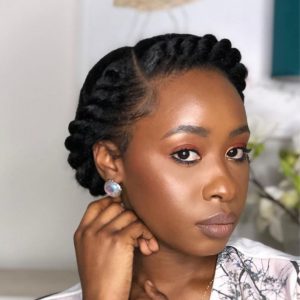
What protective style should I get
3 protective styles that causes damage
1.Micro Braids
On paper, micro braids seem like a dream—neat, low-maintenance, and perfect for forgetful mornings. But if you’ve ever had a tight install, you know the pain (literally). Tiny sections of hair mean more tension on already fragile strands, especially at the edges and crown. When micro braids are installed too tightly or left in too long, they can stress the scalp, cause breakage, and even result in hair loss . The process during take-down isn’t any friendlier: if not done gently, you’re greeted with tangles and increased shedding. If your hair is already fine or thinning, steer clear.
2.Rubber Band Styles
Brightly-colored rubber bands—so cute in photos, but in reality, they’re the frenemy of natural hair. The compression from those tiny bands puts loads of pressure on hair cuticles, often causing more harm than good. On removal, strands can snap and split, especially when the bands are wound tightly or left in for days. Even the so-called ‘no-snag’ rubber bands are more trouble than they’re worth for afro-textured hair’s delicate fibers. Pro tip: if you love the look, try spiral hair ties or gentle elastics and always oil your bands before use (but honestly, your hair is probably happier without them).
3.Leave-Out Hairstyles
Now for the popular leave-out. The logic is tempting: have your extensions, but rock a natural-looking part with your own hair expertly blended. Trouble is, maintaining that seamless blend often means regular heat—flat-ironing, blow-drying, and more flat-ironing. That small exposed section ends up bearing the brunt of styling stress, getting weaker and shorter while the hair underneath grows. If you like sew-ins, consider the full-closure route. The best protective styles protect *all* your natural hair. If there’s a section you need to style daily (especially with heat), it’s not really on vacation.
What protective style should I get
Best protective hairstyles for fine hair
Fine hair strands, require a more cautious approach in terms of styling to prevent unnecessary breakage. The fragility of fine strands means they are prone to damage from heavy or tension-filled styles. Therefore, suitable protective hairstyles involve choices that minimize exertion on each strand.
1. **Individual Braids/Twists without Added Hair**: Opting for styles like individual braids or twists without the addition of synthetic hair is ideal. These styles protect your strands while keeping the weight and tension at bay.
2. **Flat Twists**: Flat twists lie close to the scalp, offering a chic yet subtle look that flatters while ensuring protective care.
3. **Short, Lightweight Styles**: Styles like short twist-outs or bouncy rollersets ensure your hair stays manageable while maintaining its health.
4. **Glueless Wigs**: For those who enjoy using wigs, choosing glueless versions can protect your natural hair by avoiding the damage that bonding glues can cause over time.
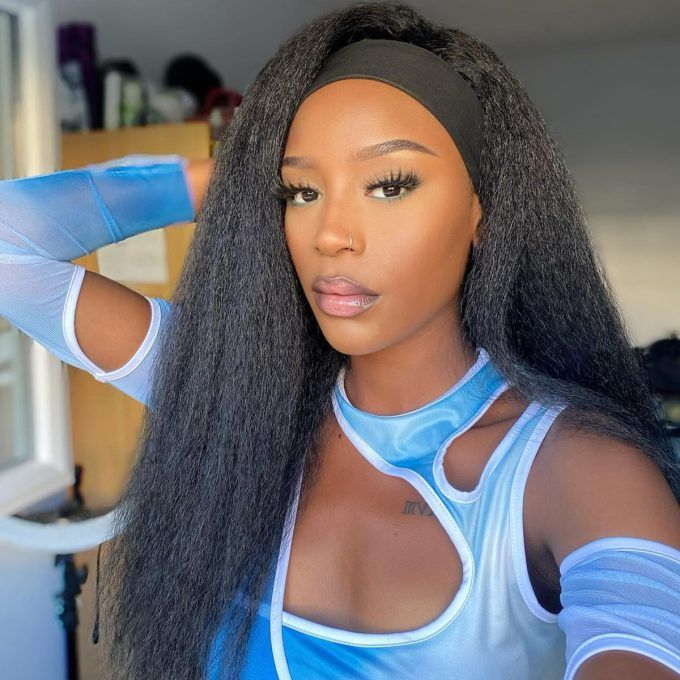
Protective styles for thick natural hair
Thick hair strands are often coveted for their resilience and robust nature, allowing for a more adventurous approach to protective styling. However, this doesn’t mean they are immune to damage. Overly heavy styles can place undue pressure on your hair roots and scalp, leading to potential problems like traction alopecia.
1. **Box Braids and Bantu Knots**: These styles highlight the natural thickness of your hair, providing impressive volume without necessarily adding stress to your tresses.
2. **Twisted Updos**: Elegant and sophisticated, twisted updos leverage your hair’s strength to create statement styles that are both protective and stunning.
3. **Sleek Back Styles**: Hairstyles that pull back from the face can look polished and professional, suitable for thick strands, as long as they don’t involve excessive tension.
4. **Lightweight Extensions**: Choosing lighter hair extensions helps maintain your hair structure while allowing flexibility and diversity in styling.
Couclusion
Remember, the true spirit of protective styling is to *protect*—not stress or strain. Listen to your hair, pamper your scalp, and celebrate progress, even if growth feels slow.
Helpful links: 4C hair stopped growing | reasons & solutions