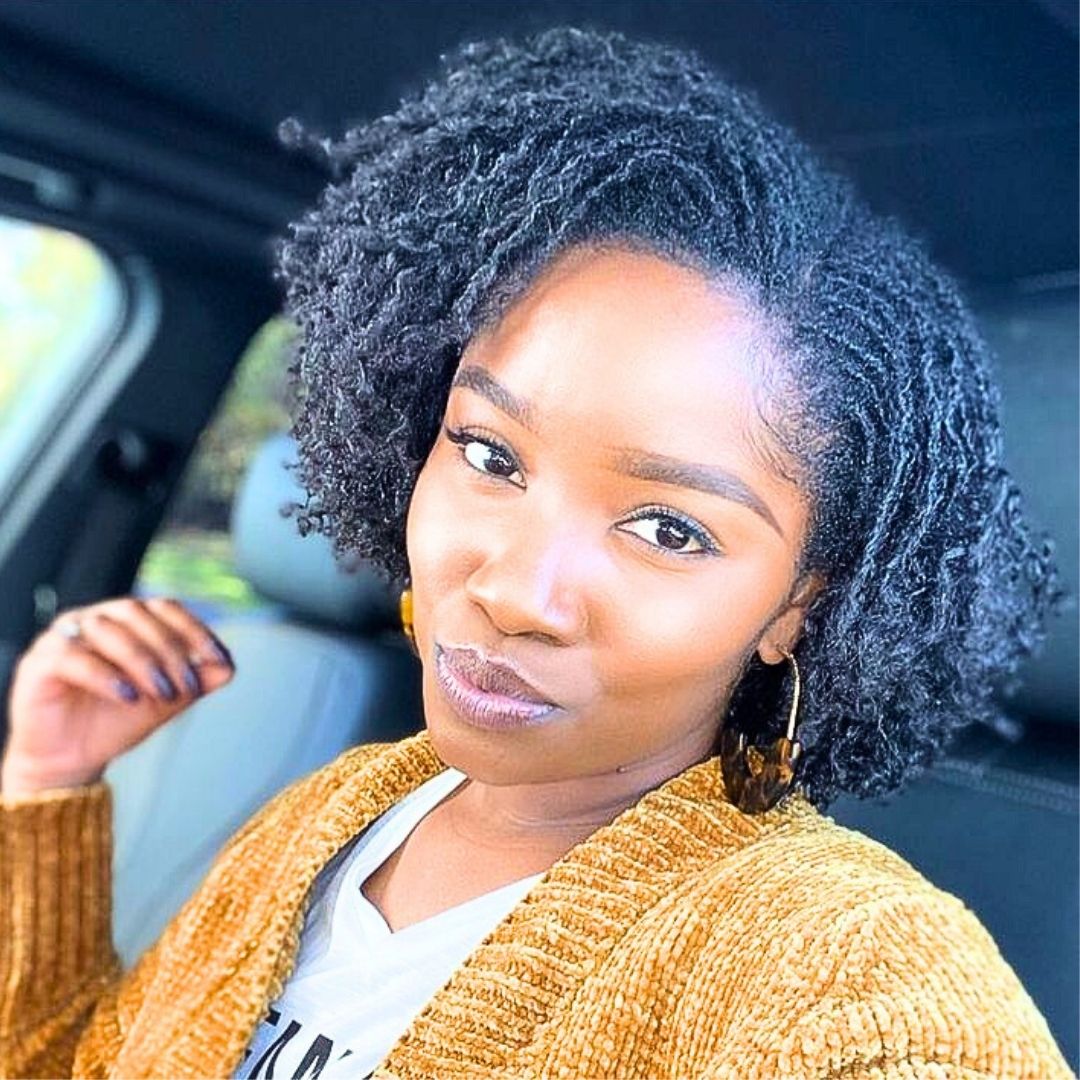
When comparing sisterlocks vs microlocs, let’s start with first impressions, because when it comes to hair, looks do matter. Microlocs and sisterlocks are both beautiful, intricate versions of natural hair locks—but they’re definitely not twins. Think of them as stylish cousins who share a family resemblance, but each has her own signature flair.
Sisterlocks vs Microlocs
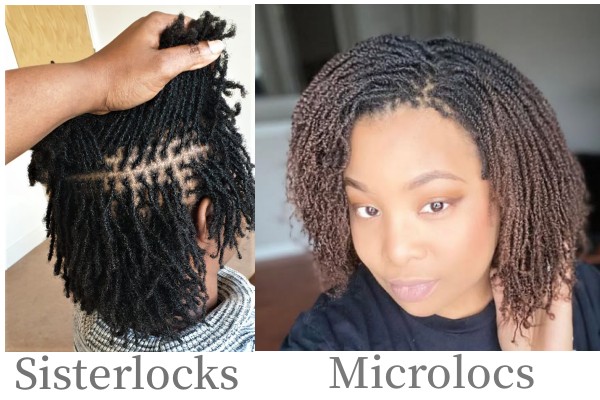
Sisterlocks are a bit like the fine dining of hair installations—they come with their own rulebook and credentials. Only a certified sisterlocks loctician can install them, trained in a specific method regulated by the sisterlocks organization. This means they’ve attended classes, passed requirements, and keep up with standards—kind of like how master chefs have their Michelin stars.
They are tiny, precise, and oh-so-uniform. And with an average head sporting 400 to even 800+ locks, you need someone with both the skill and the stamina. Imagine hundreds of delicate, string-like locks made to look almost the same from root to tip. They’re created to give a sleek, consistent look, almost like you’ve had your hair meticulously braided with fairy fingers.
On the other hand, microlocs are more of a freestyle zone. The ONLY hard rule here: the locks are small—anywhere from pencil-thin to matchstick width. That’s it! The number of locks? Somewhere between 150 and 300 for most people.
Installation can be done by professionals, friends, or yourself (there’s a huge DIY community out there). Tools and methods are way more flexible—interlocking is popular for a super long-lasting base (and a close visual match to Sisterlocks), but you’ll see microlocs started with two-strand twists, braids, or even palm rolling. No trademarked devices, no proprietary grids, and you can tweak the size or pattern to your liking. Perfect for creative souls and anyone who likes having options.
So, Sisterlocks are the branded boutique experience with a recipe to follow, and microlocs are the open kitchen—mix, match, and season to taste.
Do microlocs and sisterlocks look the same?
Comparing appearance, versatility
Let’s be real: at the end of the day, it’s the look (and feel) that seals the deal. So… do Sisterlocks and microlocs really look that different?
Sisterlocks:Because of their tiny, uniform size and patented grid, Sisterlocks deliver a super sleek, evenly lined finish. Think: perfect rows, maximum scalp visibility, and a kind of “manicured” aesthetic that’s instantly recognizable. The strict sizing means your locks mature together, and styling is versatile—you can create curls, buns, updos, and more with ease. The precision grid helps with predictable partings, which is a big plus for certain styles.
Microlocs: Here’s where versatility shines! Because you can choose the size, partings, and starter method, the end result is as unique as you are. Some people go for a near-identical Sisterlocks look by interlocking microlocs on a similar grid pattern. Others opt for two-strand twists or braids that start chunkier but shrink and mature into lovely textured locs. Palm rolling gives a rounder, softer lock, while braids show more definition as they age. The maturing process can mean a little less uniformity, but it also means your locks have a bespoke, “you” touch. You can always combine installation and maintenance methods too—no rules, just results.
One of the absolute joys of either locking style is how versatile your hair becomes once the process is done!
With both microlocs and sisterlocks, you can do twist outs, braid outs, curls with flexi rods, updos, buns, and so much more. Microlocs, with their thicker size, give you a bit more volume, which is fantastic if you love big, bouncy styles. Sisterlocks, thanks to their sleekness, hold defined curls longer and can create intricate styles that look almost woven.
Sisterlocks vs Microlocs
Comparing maintenance, time Investment and Costs
Maintenance isn’t a get-out-of-jail-free card with either method. Both need regular retightening to avoid matting and keep your scalp healthy, but microlocs can often tolerate slightly longer between sessions—every 4 to 8 weeks, versus the more frequent 4 to 6 weeks for sisterlocks.
Day-to-day hair care is blissfully simple: gentle cleansing, moisturizing, and scalp care are the must-dos. There’s no dramatic difference here—both styles appreciate a gentle approach to avoid frizz and breakage. The main difference? Sisterlocks, because they’re smaller, need a gentle touch when styling and washing to avoid slipping, especially in the early months.
Need more detailed hair care tips? Trust me, you’ll find dedicated communities and videos galore for either method, but the basics are: keep your scalp happy, treat your locks kindly, and don’t skimp on hydration.
Also, don’t forget the budget: sisterlocks usually come at a higher price point because of the training, time, and maintenance involved, while microlocs can be a bit friendlier on the wallet.
Conclusion
So, are you ready to start your journey? Whether you choose sisterlocks, microlocs, or your own hybrid, there’s a whole world of beauty, community, and hair freedom waiting for you. Trust your instincts, seek support, and let your locks be a reflection of everything that makes you, well, YOU.