The quest for a natural look is universal among enthusiasts of hair extensions, and both lace and silk closures offer distinct paths to achieving this goal.
Lace vs silk closure
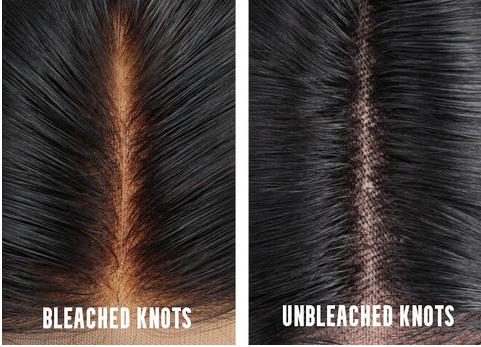
Lace closures are renowned for their customization potential. Their thin lace base can be easily bleached to make the knots, where each hair strand is secured, less visible.
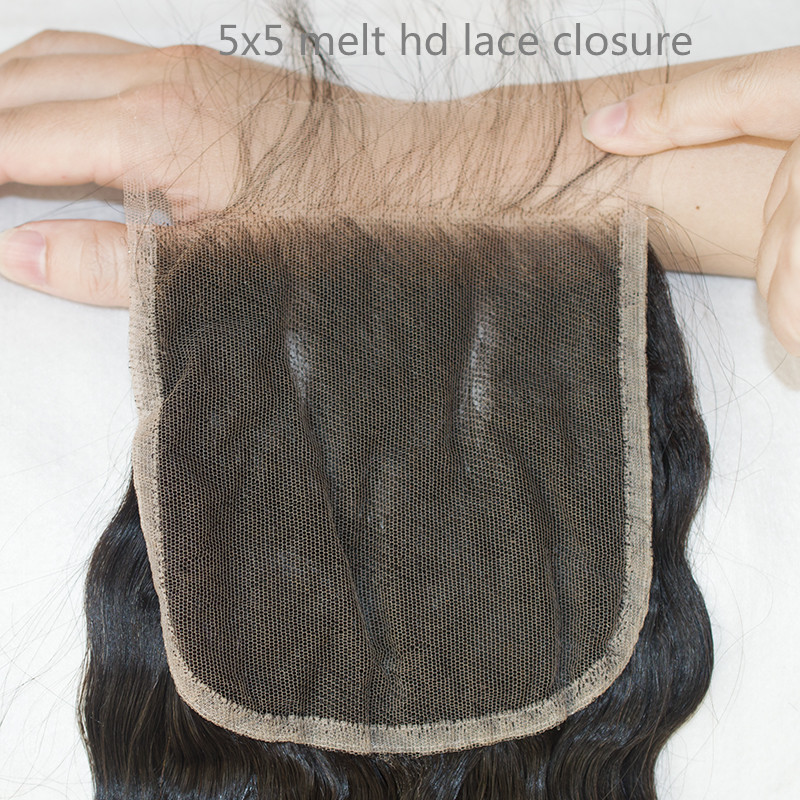
The thin nature of lace allows for these closures to lay flatter against the scalp, ensuring a seamless blend with your natural hair or wig. This characteristic is particularly beneficial for recreating styles that demand a flawless hairline. Moreover, because lace closures tend to be more breathable, they might offer a more comfortable experience during warmer weather.
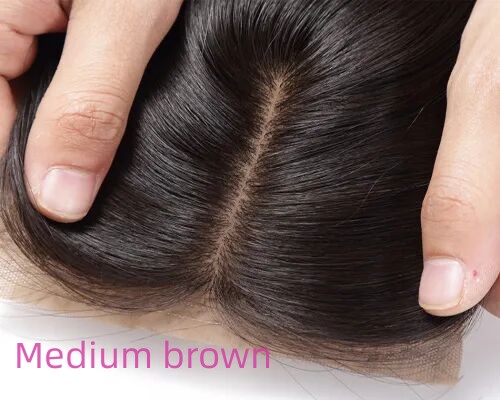
Silk closures, by contrast, offer a natural scalp-like appearance right out of the box owing to their silk base. This makes blending them with the wearer’s natural hair relatively straightforward, reducing the need for additional customizations.
A silk-based hair closure resembles a real scalp, giving the illusion of hair growing from your head. Unlike lace closures, silk closures have a fabric that is not transparent, adding a layer of realism. A non-transparent base, thicker than lace, offers a natural appearance, especially when close-ups are involved.
Lace vs silk closure
Choosing lace vs silk Closure: 4 Key Factors to Consider
One significant factor influencing the decision between lace and silk closures is cost.Budget-conscious buyers often gravitate towards lace closures, as they are generally more affordable.Silk closures, conversely, require more complex manufacturing processes.
For those entering the world of hair extensions for the first time, lace closures offer a more accessible entry point, allowing experimentation without a significant investment. However, individuals who have a larger budget might consider the investment in silk closures as worthwhile.
**Durability**: Silk closures are generally more durable due to their thicker material which can withstand daily wear and styling. Lace, while potentially more fragile, provides a lighter wear, perfect for those preferring a minimal feel on the scalp.
**Appearance**:Regular lace closures stay more flat because it’s only one single sheet of lace and not as poofy but the scalp does not look real. Silk base base closure the scalp is realistic looking but it doesn’t lay as flat because of the extra silk material plus the lace under that.
**Skill Level**:Because there is now HD lace options, but silk closures show NO knots, bleached or not.Silk base closures are more hassle free,less shedding and maintenance!
Blend lace closure
No matter which closure type you choose, mastering some blending techniques will help ensure natural and seamless results. Here are a few tried-and-true methods:
1. **Leave-Out Hair**: Allowing a portion of your natural hair to blend into the front of the closure can make it look more realistic. This is especially effective with silk closures, softening the transition from the closure to your natural hair.
2. **Tinting**: Both silk and lace closures can benefit from being slightly tinted or adjusted to perfectly match your skin tone. For lace closures, ensure that the lace matches your scalp color to avoid an unnatural look.
3. **Root Concealer**: Use root concealers or powders to lightly dust the parting area, further blending the closure with your natural hair tone.
Conclusion
Both types of closures bring unique benefits and considerations to the table, but which one is right for you?
Helpful links: Types of lace closure