Whether you’re new to wigs or a seasoned pro who’s still a bit skeptical about those thin little caps, stick around. Today, we’re diving into why that simple piece of nylon does so much more than you might think.
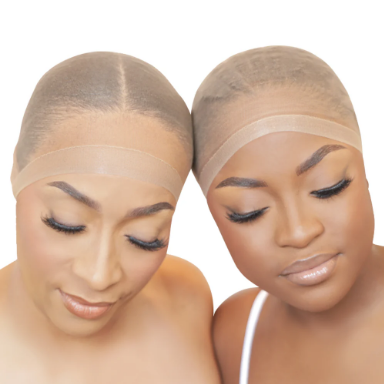
Is a wig cap necessary?
Let’s kick things off: you might see wig caps as an optional step—maybe something only need for the red-carpet crowd or those with elaborate lace fronts. Nope!
Wig caps are for everyone who tosses on a wig, whether it’s for a bold fashion statement or just a quick errand run. Think of the wig cap as the primer before your makeup: it preps, protects, and basically sets you up for success.
Not only do they keep your natural hair in check, but they also add a crucial layer of defense against friction and damage.
Let’s be honest, the underside of wigs can be, well… not exactly gentle on our delicate strands, especially with regular wear. A wig cap is the small step that quietly does the heavy lifting.
Key Benefits of Using Wig Caps
First things first: why is everyone and their cousin suddenly talking about wig caps? The answer comes down to protection. Wearing a wig directly on your hair means every swish, tug, or tilt is putting your strands up against the inside of the wig.
Over time, this kind of friction can cause breakage, split ends, or even thinning, especially around the hairline. If you have natural, textured hair, the risks double—friction can mess with your curl pattern or cause those infamous ‘snapped’ spots. A wig cap acts like a soft, forgiving barrier that prevents all that rough contact.
But wait, there’s more! Wig caps also keep thicker or longer hair neatly tucked away, preventing it from getting tangled, matted, or awkwardly bunched up under your wig.
And for folks with finer or short hair, a cap prevents those tiny baby hairs from slipping out or shifting your wig around. It’s like having a velvet rope at an exclusive club: only your best hair gets through.
How Wig Caps Keep Both Your Hair and Wigs Clean
Here’s something not everyone talks about, but honestly, it’s a biggie: wig caps are lifesavers when it comes to keeping both your natural hair and your wigs cleaner, longer. Think about it: when you wear a wig, all the natural oils your scalp produces have nowhere to go.
Without a barrier, those oils can seep straight into the wig cap, then into the wig itself. Before you know it, your beautiful unit can start looking weighed down, greasy, or even a little funky.
The wig cap soaks up excess oil and sweat, meaning fewer wash days for your wig, and a less oily, happier scalp for you. It’s also a hygienic must, especially if you’re prone to scalp irritation or just like knowing there’s a filter between you and your synthetic or human hair investment.

Wig Caps vs The Ball Cap Method
The ball cap method involves gluing a nude stocking cap directly to your skin with adhesive, then trimming it to mimic a natural scalp under lace front wigs. Some love it for melt-down lace applications, but honestly, it’s a ton of work and can be tough on your edges if you’re not careful with glue removal.
Wig caps, on the other hand, are all about simplicity and hair protection. They’re easy to take on and off, require zero glue, and prioritize comfort, not just looks. While the ball cap method can deliver flawless lace-front vibes, it’s overkill—and unnecessary risk—for everyday wear. For daily wig life, a regular wig cap is the low-fuss, high-reward MVP.
Choosing the Right Wig Cap
1. Skin Match vs. Hair Match: If your wig has a lace front or parts, you’ll want the cap to match your scalp/skin tone, not your hair, for invisibility underneath. For closed-cap wigs or no parts, matching your hair color works just fine.
2. Shade Range: Not every store stocks a big color selection. If you feel stuck with ‘universal beige,’ don’t stress—online retailers Amazon have more variety. Some brands even offer deep browns, cool undertones, and extra-pale options.
3. Material Matters: A sheer nylon cap is classic for a lightweight feel; mesh caps are best if you run hot or want extra breathability.
And hey, if you’re in-between colors, don’t be afraid to get crafty: some folks tint their caps with a dab of foundation or a light spray of powder for that custom blend.
Conclusion
So next time you grab your go-to wig, add that cap as a non-negotiable final step. Trust us, the difference is real—and your wig game will thank you.
Helpful link: