Let’s be real: our locs are more than just a hairstyle—they’re part of our journey, our style, our statement. But, oh boy, the road to luscious, vibrant locs can get bumpy if you’re not careful! Knowing how to take care of locs properly is essential for maintaining their beauty.
Grab your favorite drink, settle in, and let’s unravel the top 10 mistakes folks make with loc care—and how you can sidestep every single one for hair that always makes you say, ‘Yes, THAT’S what I’m talking about!’
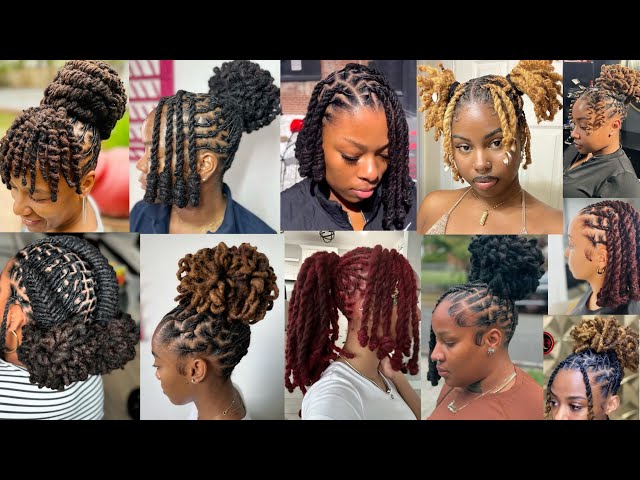
How to take care of locs
Most of us have made at least one loc care blunder. Hey, nobody’s perfect! Let’s break down the 10 heavy-hitters that can sabotage your loc journey.
1. Retwisting or Styling Dry Locs: Dry twisting is like rubbing sandpaper on your hair—ouch! Therefore,locs should always be damp before you retwist or style. In fact,Twisting or rolling dry locs frays the hair, causes breakage, and weakens the strands over time. Moreover, even casually twirling a dry loc while deep in thought? Not great. Consequently, water is your locs’ best friend during any manipulation—never forget it.
2. Experimenting with Harmful Substances: If you’ve ever found a wild hair care recipe on the internet (detergent and oil, anyone?), take a deep breath. Your scalp deserves better! Using household cleaners or random kitchen concoctions is a hard no. Stick to gentle, hair-specific, and preferably natural products designed for locs. Your scalp and hair will thank you with healthy growth and minimal irritation.
3. Trimming Frizz Away: Frizz is a badge of honor in your loc journey—don’t snip it off! Although trimming those fuzzy edges may seem satisfying in the moment, but you’re actually cutting away the little hairs that help locs stay thick and intact. Consequently, over time, this leads to weak, skinny locs that are more prone to breaking. Therefore, embrace the frizz; it’s all part of the process.
4. Waiting Too Long To Wash
Locs: Heard that you should wait months between washes? Myth alert! Locs need regular cleansing to keep the scalp healthy and promote growth. Waiting two to three months can invite buildup, odor, flaking, and slow hair growth. Find a wash routine that works for your lifestyle and hair type (every 1-3 weeks is common), and stick to it.
How to take care of locs
5.Overusing Tight Hairstyles: High ponytail on Monday, taut bun on Tuesday, repeat… Sound familiar? Consistent tension from tight styles or keeping locs pulled back for too long leads to breakage, thinning edges, and, in severe cases, traction alopecia (permanent hair loss). Give your scalp and edges breathing room. Think variety and moderation!
Try Different Styles (Loosely!): Switch up your hairstyles, but keep them loose and tension-free.
6. Using Heavy or Unsuitable Products: DIY hair masks with eggs, mayonnaise, or heavy oils might sound nourishing, but they’re not made for locs. These ingredients can cause yucky buildup inside your locs that’s tough to remove and weighs them down. Water-soluble, lightweight products are the way to go—keep it simple.
7. Neglecting Maintenance: Out of sight, out of mind is not the loc motto. Regular maintenance means moisturizing, cleansing, and timely retwisting (as needed for your hair type). Letting your locs dry out or become overly fuzzy can invite brittle strands, thinning, and breakage. A little routine love goes a long way.
– Moisturize, Moisturize, Moisturize: Healthy locs are hydrated locs. Use a water-based spray, or mist your locs with a little diluted leave-in conditioner whenever they feel dry. Don’t drown them—just a light spritz and you’re golden.
How to take care of locs
8. DIY Hair Coloring: Coloring locs is a whole different ball game compared to coloring loose hair. Locs need more product, and the process is a bit trickier. Doing it yourself—especially with bleach or bold colors—can lead to patchy, dry, even permanently weakened locs. Always see a pro colorist with loc expertise for the best (and safest) results.
9. Tying Knots in Thinning Locs: Got a thin spot? Resist the urge to cover it by tying a knot in your locs. It might ‘fix’ things for a day, but you’ll end up with lumps, bumps, and even less hair in the long run. There are professional methods (like the crochet technique) to fix thinning locs discreetly and properly.
10. Neglecting Cleanliness During Activities: Sand, dirt, errant grass clippings—your locs can pick up a lot during outdoor activities. Consequently, all that buildup is tough to remove and makes your locs dull and heavy. Therefore, cover your locs with a scarf, hat, or bonnet when needed; additionally, always shake out (and wash) after exposure to dirt, dust, or sweat.
Conclusion
Book Regular Professional Checks: Even if you usually DIY, see a loc specialist every now and then. They’ll keep you on track, spot thinning or trouble spots early, and can guide you on technique and product choices.
So, where do you begin? Start with one new good habit and build from there. If you slip up, no stress—locs are forgiving, and you’re still learning. With consistency and a touch of patience, you’ll find yourself celebrating every stage of the journey, frizzy days and all. Remember: your locs are yours, beautifully and uniquely. Embrace them, protect them, and let your loc journey continue to shine!Remember that taking care of locs involves not only regular maintenance but also loving them for their unique beauty.
Helpful links:
What type of locs should I get?