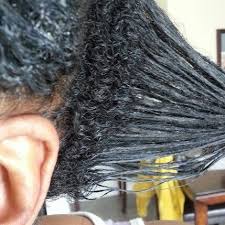
When weeks pass after your relaxer, you start seeing your natural hair come through: denser, thicker, sometimes curlier or wavier right at the roots. Suddenly, you’re working with two textures—a combination of your smoothed-out relaxed lengths and your vibrant natural roots.Knowing how to soften new growth on relaxed hair is essential.
How to soften new growth on relaxed hair
Moisturizing Techniques for Softer New Growth
Start with weekly deep conditioning treatments.
Deep conditioning is the backbone of every healthy stretching routine. Here’s why: relaxed hair needs extra TLC, and your new growth? It’s like a thirsty friend at happy hour—it can’t get enough moisture. But if you only focus on softness, you’ll miss out on building the strength both textures need. Enter: the moisture-protein balance.
Think of your wash day as a balancing act. On one hand, you want rich, moisture-infusing conditioners to soften that new growth and prevent breakage. On the other, you need regular protein treatments to reinforce your hair’s structure, especially since relaxing weakens the natural bonds that keep hair strong.
Here’s a simple routine: alternate weekly between a moisture-rich deep conditioner and a light protein treatment. This tag-team approach smoothes your new growth, keeps relaxed hair from snapping, and helps both textures thrive.
Alright, you’ve got your deep conditioning down pat. But sometimes, new growth is just… stubborn. If your roots are waving the dry, wiry flag, these techniques can turn the tide:
- Steam Treatments: The beauty secret you didn’t know you needed! Using a handheld steamer or just sitting in a steamy shower with conditioner on your scalp can ‘open up’ your cuticles, letting the conditioner work deeper. After a session, your roots feel softer with less resistance—like silkier, happier new growth.
2. Pop on a satin bonnet for comfort and sleep tight. Your own body heat creates a warm, moist environment that ‘steams’ the hair overnight, leaving it ultra-soft by morning. Many fans notice less breakage and a shimmery shine after regular bagging sessions.This is another effetive way when learning how to soften new growth on relaxed hair.
The Power of Stretching: Reducing Coils and Retaining Moisture
Here’s a secret: stretching your new growth doesn’t just make styling easier—it helps oils from your scalp travel down the hair shaft, keeping strands nourished and hydrated for longer. When those curls and kinks are super-tight, moisture has a hard time moving down the hair. Stretch them out a bit, and suddenly everything flows better. Almost like opening traffic lanes during rush hour.
Sometimes, a bit of heat feels like magic—it stretches the roots, smooths the demarcation, and gives you that polished look. But, too much heat can turn a good hair day into brittle, snapping ends. The key is moderation and protection.
How do you stretch new growth properly, though, without risking heat damage? First up: blow-drying with medium heat and a comb attachment can stretch roots while keeping the process gentle. Always slather on a good heat protectant.
If heat isn’t your thing, roller sets are smart move. Roll the hair tightly and let it air dry or sit under a hooded dryer for that smooth, elongated look. Low-heat flat ironing is an option if you’re gentle and patient, but always treat your strands with lots of care.
Another friendly go-to is the scarf method. Here’s how it works: lightly mist your roots with water to soften the natural texture (not soaking, just a little hydration boost). Smooth on your favorite moisturizer or leave-in—think of it as prepping the new growth for cooperation. Then, style your hair as usual, and tie a silk or satin scarf tightly around your roots for at least 10-20 minutes. The water helps stretch and soften the new growth, and the scarf presses everything into a sleeker shape. When you take the scarf off, you’ll see a clean, smooth foundation—perfect for a bun, ponytail, or just letting your hair down with pride.
Conclusion
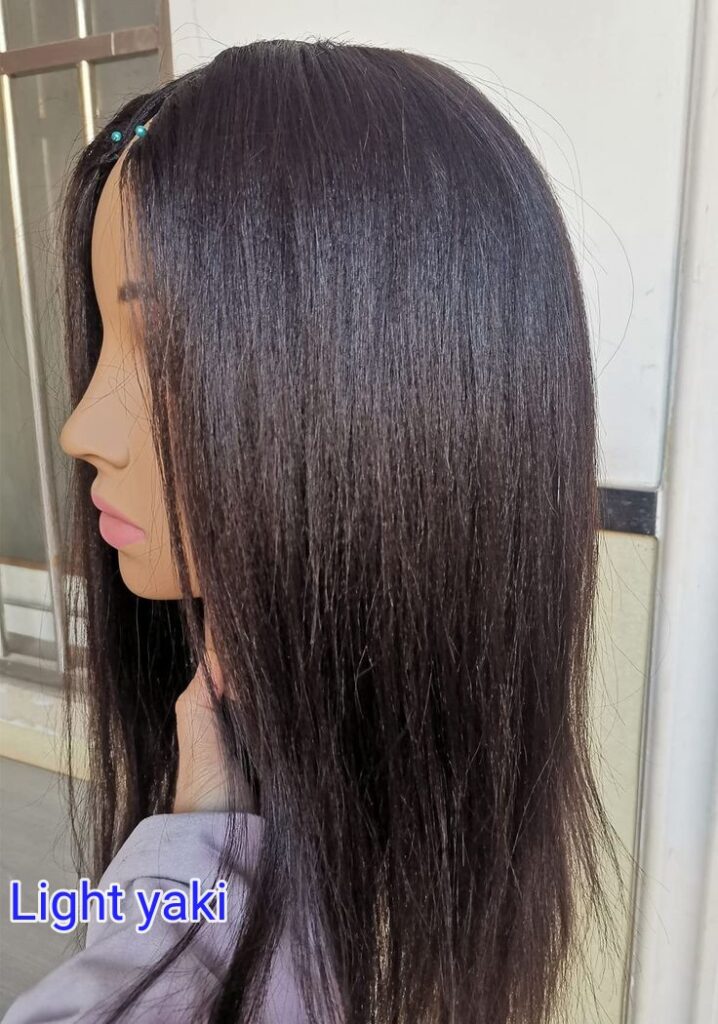
Of course, if you feel like flipping the script, you can bring your relaxed hair *closer* to your roots’ texture. Braid outs and twist outs are your best friends here. By braiding or twisting damp hair and letting it set overnight, you create curls and waves that disguise the “line”—making the textures blend more seamlessly. And remember: fingers only! Skip the comb on those delicate braid out curls for minimum breakage and max style.
Be patient with yourself, enjoy the process, and celebrate every inch of progress. With these methods, you’ll not only soften your new growth, but you’ll also come to enjoy this phase of your hair journey—roots, textures, and all.
Helpful links: