For starters, type 4 hair is naturally high porosity. Imagine the cuticle (the outermost layer) as a flaky croissant—their ‘scales’ are just a bit more raised than other hair types. While that’s great for soaking up moisture quickly, it also means moisture doesn’t always stick around and outside elements can slip right in. These raised cuticles invite friction, tangling, and—oops—breakage.
But how do you actually know if your hair is truly damaged, or just throwing a tiny, temporary tantrum?
That’s why today, we’re breaking down the 7 major warning signs your hair is trying to send you—with absolutely no need for a magnifying glass or detective hat.
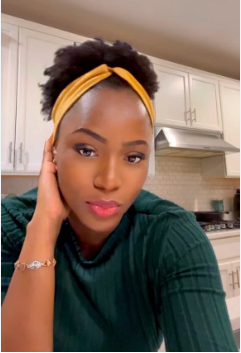
How do I know if my 4c hair is damaged
It’s not about avoiding every little thing—just being aware and keeping things balanced. Your hair can handle a lot, but it will give you signs when it needs a little extra love.
1. Heat Damage: When Texture Just Looks ‘Off’**
Remember the days your curls bounced right back, or your hair felt soft and silky after a wash? Heat damaged hair is the opposite: the natural curl pattern loosens or disappears, you’ll spot sections that are oddly straight (or stringy), and your hair just feels brittle. It’s almost like your once-springy hair hits ‘snooze’. Often, heat damage is tough to reverse because the structure has changed, and sometimes rocking a trim is the only way to truly bounce back.
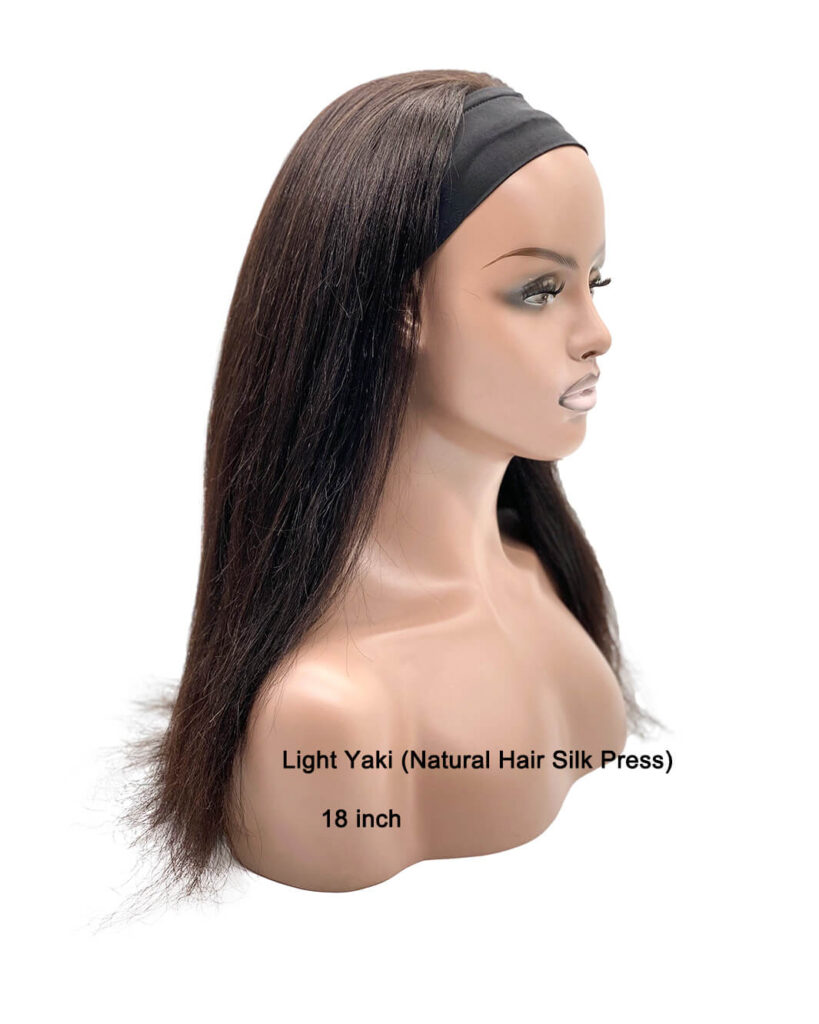
2. Brittle, Dry or Rough Texture
Ever run your hand down your hair and realize it feels more like straw than silk? Brittle hair is a telltale sign your strands aren’t getting enough moisture or nutrition. They can snap with minimal tension and often get rough and frizzy. The good news: Brittle hair responds *beautifully* to deep conditioning and TLC.
3. Split Ends: The Unwanted ‘Frayed Ends’ Look
Split ends are the classic signal—it looks like the end of your hair has split into two, and sometimes more! This happens when your hair’s natural cuticle is worn down by styling, brushing, or just plain old friction. Split ends can travel up the shaft, causing more damage if left alone, so timely trims are a must.
How do I know if my 4c hair is damaged
4. Tangling and Knots That Just Won’t Quit
Let’s be real—some tangling is normal (especially for curly and textured hair). But if it seems like every time you reach for your brush or comb, you’re in a battle royale with your knots, it’s time to pay attention! Excessive, stubborn tangling is a sign your hair’s cuticle is rough or uneven, often from damage. This is especially common when transitioning between chemical and natural hair, as the two different textures twist and battle it out at the roots.
5. Unresponsive, ‘Stubborn’ Hair
You throw your favorite products at it, but your hair just… doesn’t cooperate. It feels limp, lifeless, refuses to hold a style, or seems to reject moisture and color. Sound familiar? Damaged hair can develop high porosity (more on this in a sec), and those changed hair structures don’t play well with routines that once worked.
6. Persistent Breakage & Shedding
Finding a few hairs in your brush? Totally normal. But when clumps of hair show up in the shower drain or your hair seems to break off at a touch, it’s time for a closer look. Excess breakage and unusual hair loss often point to deep-seated damage—sometimes the cause is external (overprocessing, styling), but nutrition and health factors play a big role here too!
7. Are there unexpected color changes from roots to ends?**
This one’s a sneaky indicator. Even virgin (undyed) hair can change color if it’s damaged—think lighter, reddish, or brassy tones emerging towards the tips. Sun, hard water, chlorine, and certain medications can all strip or alter your hair’s pigment. Combined with dryness, frizz, or puffiness, color shifts are a telltale sign something’s up.
Conclusion
Your hair doesn’t need to be ‘perfect’—just supported, protected, and loved. Catching the signs early helps you take action, and with a little care, you’ll be seeing smoother, shinier days in no time.
Helpful links: 4C hair stopped growing | reasons & solutions