Hair Texturizer vs Relaxer
If you’re stuck deciding between a hair texturizer and a relaxer, you’re not alone.
I’ve noticed that many women ask the same question:
“Which one is better?”
The truth is, neither option is automatically better.
When done correctly, both can give beautiful results. The real question is this:
What result are you actually looking for?
Many people believe texturizers are a safer version of relaxers. Others think a texturizer is completely different from a relaxer.
However, that isn’t entirely true.
Both treatments use chemicals to alter the structure of your hair. The biggest difference is how much of your natural curl pattern you want to keep.
Before you make a decision, it helps to understand exactly how each treatment works.
What Is a Hair Texturizer?
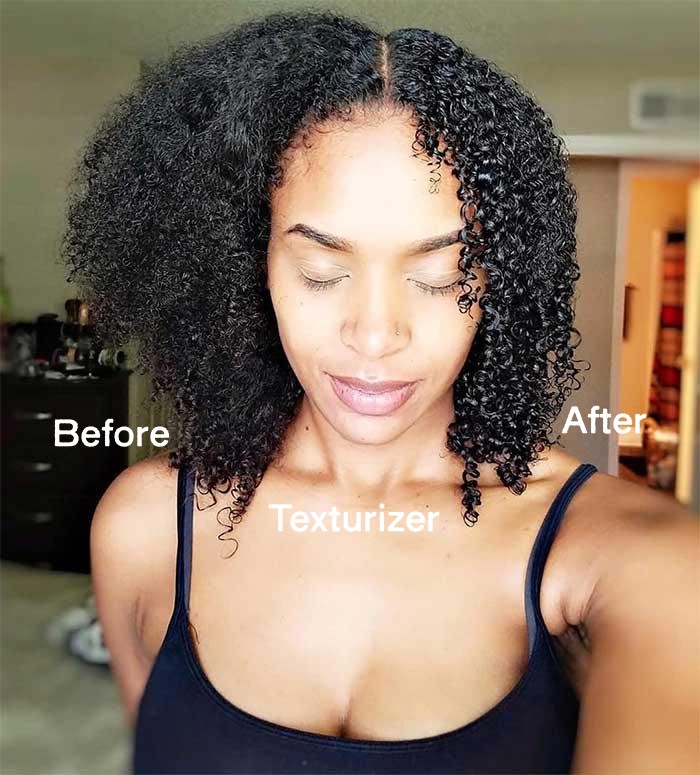
A hair texturizer is a chemical treatment designed to loosen your natural curl pattern instead of completely straightening it.
In other words, the goal is softer, more manageable curls.
After a texturizer, your hair may still curl, coil, or wave. It simply won’t be as tight as before. Most women choose a texturizer because they want easier styling while still maintaining some texture.
For example, if you love wash-and-go styles, curly ponytails, or defined curls, a texturizer may help you achieve those looks with less effort.
Before deciding if a texturizer is right for you, it’s important to understand the full picture.
You may want to read our guide: Will a Texturizer Damage Your Hair?
What Is a Relaxer?
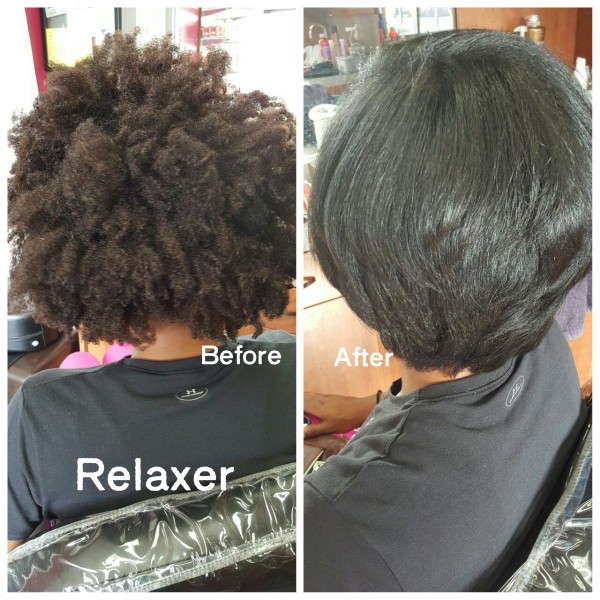
A relaxer is designed to permanently straighten the hair.
Unlike a texturizer, a relaxer breaks down more of the hair’s internal bonds. As a result, the curl pattern becomes significantly straighter and does not return.
Many women choose relaxers because they enjoy sleek styles, silk presses, wraps, and low-maintenance straight hair.
If your goal is consistently straight hair, a relaxer usually delivers more predictable results than a texturizer.
Transitioning from Relaxed Hair: One Thing Many Women Don’t Think About
Because a relaxer permanently alters the hair, the treated hair won’t revert to its original texture. Instead, you’ll gradually grow out your natural hair while managing two different textures at the same time.
For many women, that transition period can be challenging. Detangling often takes longer, styling becomes more complicated, and the line between relaxed hair and new growth can be prone to breakage if not handled carefully.
If you’re considering a relaxer, it’s worth thinking about your long-term hair goals as well as your short-term styling needs.
Our guide on How to Transition from Relaxed to Natural Hair walks through the process step by step.
The Science Behind Texturizers and Relaxers
Before comparing them, it’s important to understand one thing.
Your hair contains structures called disulfide bonds.
These bonds help determine your natural curl pattern and contribute to the strength of each strand.
When you apply a relaxer or texturizer, those bonds are chemically altered.
That is why the change is permanent.
The treated hair will not magically return to its original state after washing. New growth will come in with your natural texture, but the processed hair remains altered.
This is also why making the right choice matters.
Hair Texturizer vs Relaxer: 5 Key Differences
1.The Final Look
This is the biggest difference.
A texturizer softens curls.
A relaxer straightens curls.
If you still want visible texture, movement, and curl definition, a texturizer makes more sense.
On the other hand, if you want smooth, straight hair most of the time, a relaxer is the better choice.
2.Styling Flexibility
Many women choose texturizers because they enjoy versatility.
You can still wear curly styles while making detangling and styling easier.
However, there’s a trade-off.
Because some texture remains, your hair may react more to humidity and moisture.
A relaxer typically provides a sleeker appearance for longer periods.
As a result, many women find straight styles easier to maintain.
3.Processing Strength
Here’s a common myth:
“Texturizers don’t damage hair because they’re gentler.”
Not exactly.
Texturizers and relaxers work through a similar chemical process. The main difference is the degree of processing and the intended outcome.
Even though a texturizer is generally milder, it still alters the structure of the hair.
That’s why proper application and aftercare are essential regardless of which treatment you choose.
4.Hair Type Matters
This is where many people make mistakes.
A treatment that works beautifully on one person may not work well on another.
Because several factors come into play when it comes to your hair.
Texture plays a big role.
Porosity also affects how your hair responds to chemicals.
Density influences how evenly the product processes.
Previous chemical history can change the outcome completely.
Even scalp condition matters more than most people realize.
For example, fine-textured hair often processes faster than coarse, low-porosity hair.
Because of that, applying a texturizer the same way on every head of hair can lead to completely different results.
This is one reason why professional consultations are so valuable.
5.Lifestyle Compatibility
I believe this is the most overlooked factor.
Before choosing either option, ask yourself:
How do you actually wear your hair most days?
If you love curls but want easier management, a texturizer may fit your lifestyle better.
If you regularly flat iron your hair and prefer sleek styles, a relaxer may save you time.
Your daily routine should influence your decision just as much as your hair type.
Is There a Way to Get the Look Without Chemical Processing?
One thing I wish more women knew is that choosing between a texturizer and a relaxer isn’t your only option.
Both services permanently alter the hair structure. While many women love their results, repeated chemical processing can eventually lead to dryness, breakage, or thinning if the hair isn’t properly maintained.
Because of that, some women choose protective styling alternatives instead.
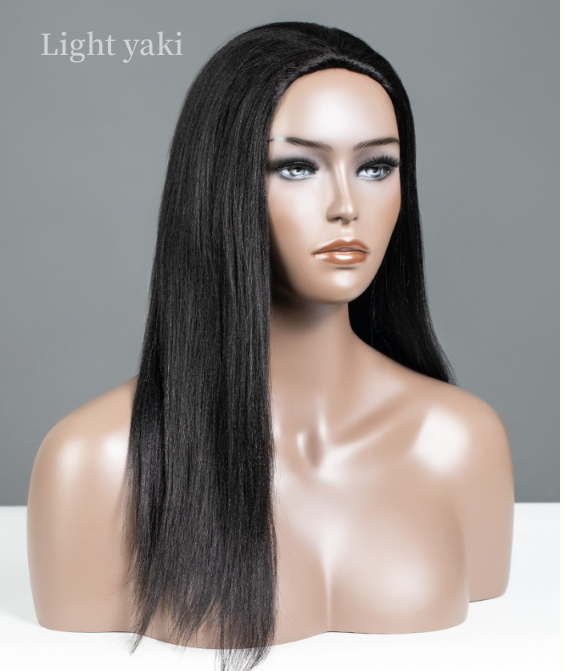
For example, a human hair U-part wig allows you to leave a portion of your natural hair out while enjoying a fuller, styled look without applying chemicals to your entire head.
Likewise, a half wig can create volume and length while giving your natural hair a break from frequent heat styling and chemical services.
I often recommend these options to women who:
- Are transitioning from a relaxer
- Want to avoid additional chemical treatments
- Enjoy switching hairstyles frequently
- Are trying to retain length and reduce manipulation
The biggest advantage is flexibility. You can enjoy straight styles one week and textured looks the next without permanently changing your natural curl pattern.
Final Thoughts: Hair Texturizer vs Relaxer
When it comes to hair texturizer vs relaxer, wisdom matters more than trends, myths, or fear.
Both treatments can produce beautiful results when used correctly.
The best choice depends on your goals.