Believe it or not, hair itch after sew-in hairstyles is more common than you might think. It’s the kind of persistent annoyance that sets your fingertips in motion without even realizing it. But why does this happen, and how can we make peace with our scalp once and for all?
By understanding the underlying causes, you can not only solve the itch but also prevent it from ever coming back.

Hair itch under sew in
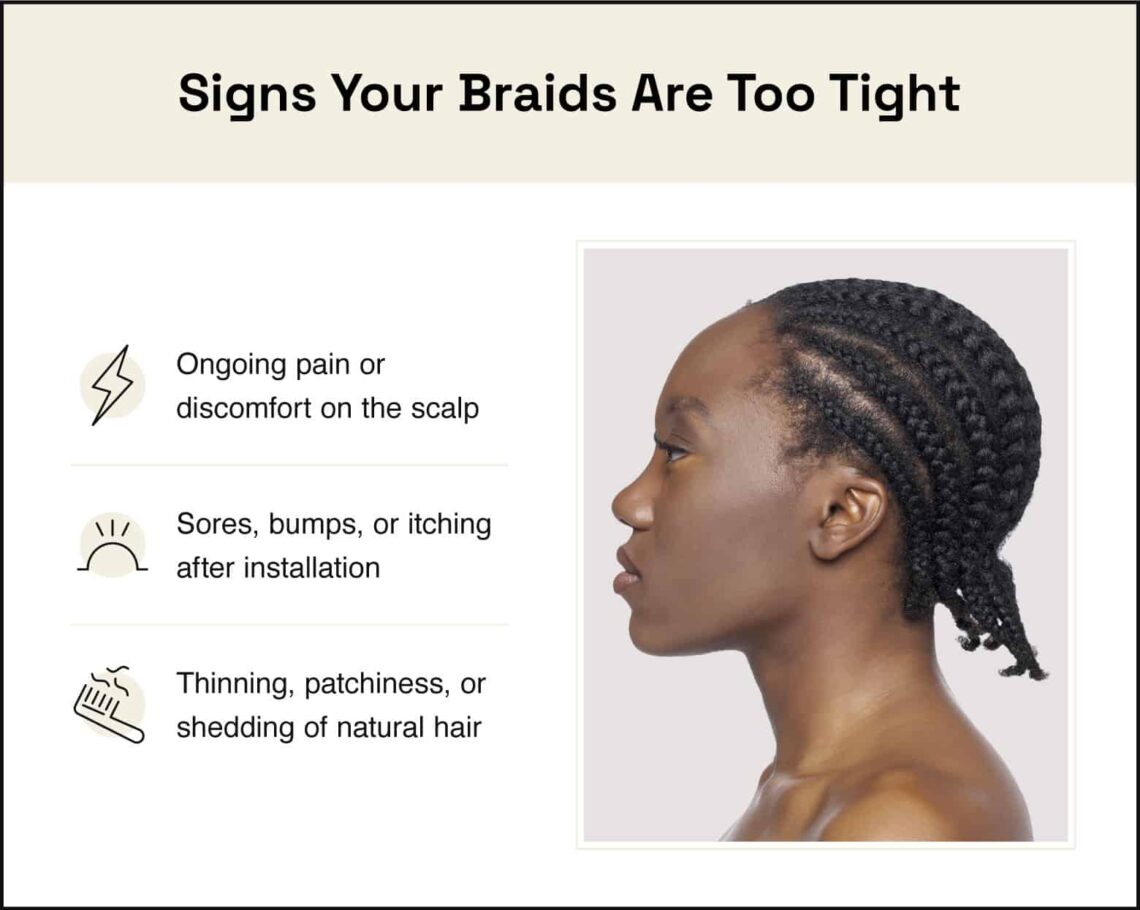
Let’s start with tight braids, a frequent culprit in the world of scalp discomfort.They form the very foundation of your sew-in hairstyle, but if they’re too tight, they can tug uncomfortably on your scalp.It’s not just about aesthetics; it’s about health, too.Open a dialogue with your stylist—it’s okay to voice concerns about braid tightness. Remember, beauty shouldn’t come with pain!
Next, let’s talk about hair extensions.
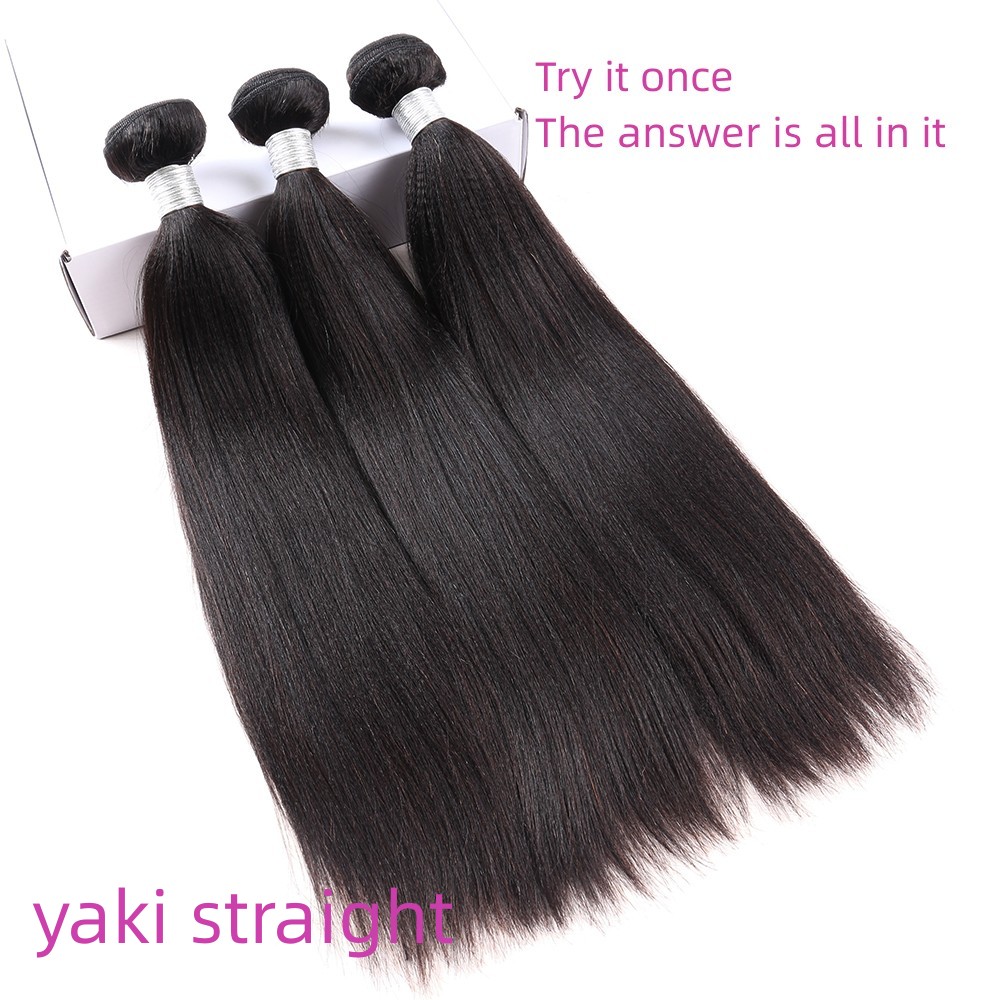
It turns out, the very extensions that are supposed to protect your hair can sometimes be the enemy.Many synthetic hair pieces are coated with a preservative that boasts a high pH level, triggering irritation when it comes in contact with our more acidic scalps. If you’ve ever felt an itch right after installing a new style, this could be the reason.
Solution:A simple and effective trick is to give your synthetic hair or braids a good soak in diluted apple cider vinegar before installing them. This helps break down the alkaline coating, offering your scalp some sweet reprieve from irritation.
But human hair extensions, there’s no chemical processing.Even if they look pristine, washing them before installation is a must.You’re washing human virgin hair extensions not because you want to necessarily get out any chemicals.It’s similar to washing new clothes. You don’t know where they’ve been or what they’ve picked up. Clean extensions mean a happier scalp, free from unintended irritants.
Hair itch under sew in
A dry scalp can lead to itchiness, irrespective of how gently you braid your hair.While your hair is in a protective style, your scalp still craves moisture.
The key?
Apply water to your scalp first and then lock it in with a light oil or grease.Remember, light is might in this case—opt for products that won’t weigh your hair down or cause buildup. Maintaining a regular moisturizing routine ensures your scalp stays hydrated and itch-free.
Fungal dandruff, caused by a yeast on the scalp, is another itch contributor that’s not to be ignored.
This condition can worsen, especially if your washes become infrequent after a sew-in hairstyle.Look for visible signs such as large, oily flakes that differ from dry scalp.Anti-dandruff shampoos, tea tree oil, and sulfur-based products are your go-to allies in this battle, with their antifungal properties targeting the yeast effectively.
Too much of a good thing can be harmful, and that includes hair products.Layering heavy creams, oils, and sprays can lead to buildup that irritates the scalp.If you’re guilty of this, it might be time to revisit your product choices.
Consider switching to lighter formulations and reduce the quantity applied to your scalp.For those who love their heavy oils, extending shampoo frequency is key to clear out what lingers between styles.
Sometimes itchiness stems from allergic reactions to ingredients in your hair products.Fragrances and preservatives can sneakily cause contact dermatitis, leading to flaky, itchy conditions that mimic dandruff.
To avoid this pitfall, be mindful when trying new products and be on the lookout for any specific allergens that might affect you.Not every itch has an antifungal solution—sometimes, it’s all about avoiding the culprit.
Itchy scalp quick relief
First up, the rat tail comb! Use its end gently to ease those tight, hard-to-reach spots, but steer clear of metal-ended combs—they can do more harm than good.
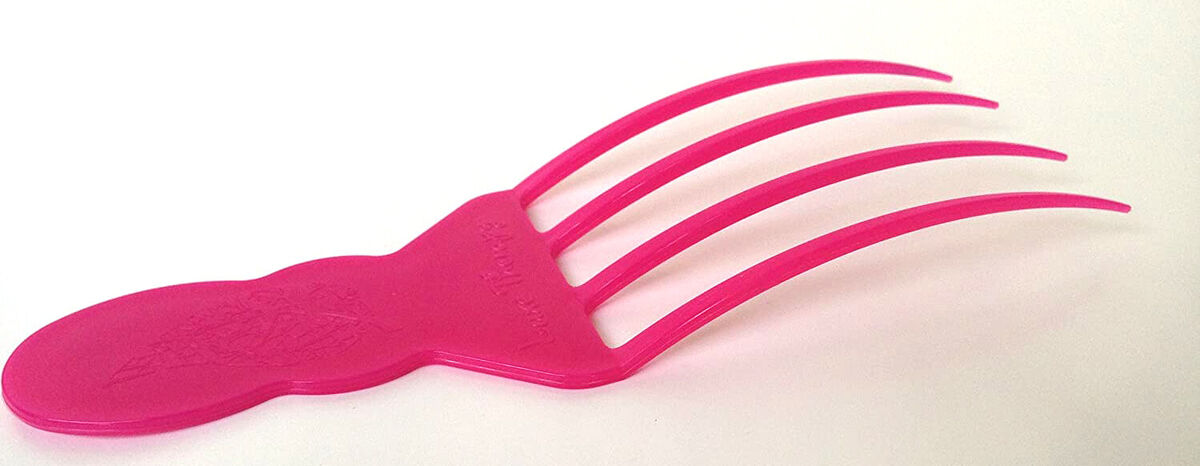
Incorporating specialized tools like Scalp Soother can significantly ease the discomfort of an itchy scalp.Its flexible, curved construction allows for gentle massaging of the scalp, directly targeting itchy areas without disrupting the sew in style.
Conclusion
It’s crucial to adapt these methods to one’s personal scalp condition and lifestyle to ensure optimal results. Through conscientious care and appropriate product usage, maintaining an itch-free, comfortable scalp becomes a manageable task, even with the limited washing opportunities that protective styles often entail.
Helpful link: How long do sew in weaves last