Choosing between a crochet install and a sew-in weave can be confusing—both are popular protective styles, both look amazing, and both can help you switch up your look without damaging your natural hair.
But which one is better for your hair needs, lifestyle, and styling goals?
In this guide, we break down crochet vs sew-in weave across eight key factors:
application method, time, security, versatility, reusability, hair access, tension, and hair type compatibility.
By the end, you’ll know exactly which option gives you the look, comfort, and longevity you want.
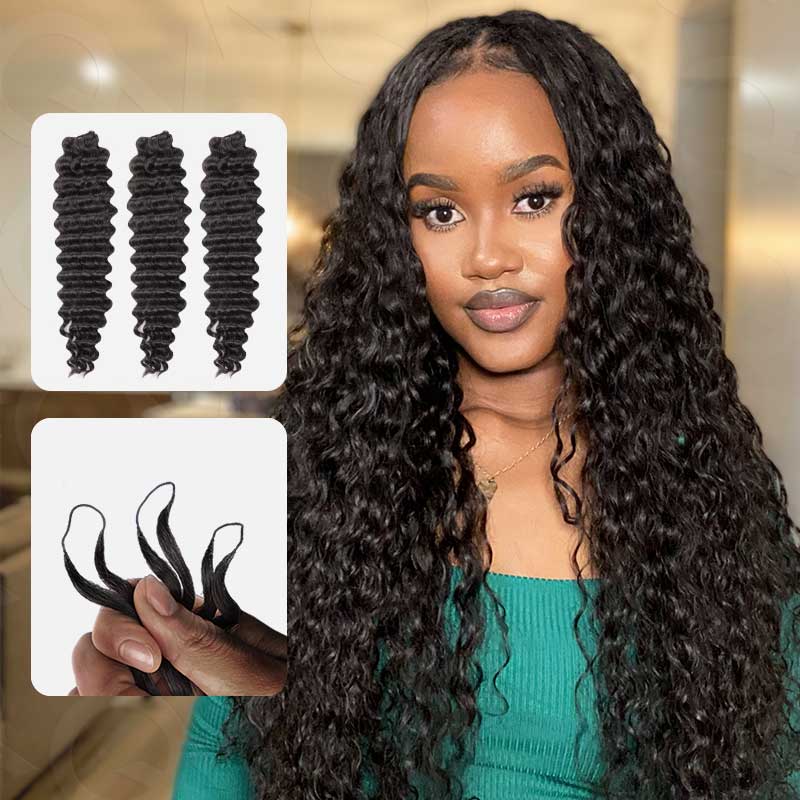
Crochet vs Sew in weave
- Application Method
Crochet Braids
With crochet styles, your natural hair is cornrowed first. Then, pre-looped crochet hair is added using a small crochet latch hook. The strands are looped through the cornrows—not sewn—making the method lightweight and flexible.
It’s a gentle, quick technique that works beautifully for curly, kinky, bohemian, and textured looks.
I feel like this should replace traditional boho.I mean it saves time and money because the hair could be reused.It’s so tension-free.
So if your hair is on the finer side, this is definitely something that will work for you. But even for my thick hair girls, this will look very beautiful on your natural hair as well. I know the DIY girlies are loving this style and this is definitely something that you can do at home.
Sew-In Weave
A sew-in requires braiding your natural hair into cornrows and then stitching hair wefts directly onto those braids using a curved needle and thread. This creates a secure, polished foundation suitable for nearly any style.
In short:
Crochet = loop-through method.
Sew-in = needle-and-thread installation.
2. Installation Time
If you’re busy or hate sitting in the salon for hours, this section matters.
Crochet:
Takes 1–2 hours on average.
Especially fast when using pre-looped or pre-curled crochet hair.
Sew-In Weave:
Typically 2–4 hours, depending on braid pattern, number of bundles, and whether you’re doing a closure or leave-out.
3.Security & Hold
Crochet installations offer moderate security. They stay in place well for everyday wear, but heavy manipulation or high-intensity activities can loosen them quicker.
Sew-ins are one of the most secure extensions you can get. The wefts are stitched tightly onto the braids, making them ideal for:working out, dancing, traveling, long-term wear.
Winner: Sew-in, especially if you want a very firm, long-lasting style.
Crochet vs sew in weave
4. Versatility
Crochet shines in creative textured looks:
Curly, Kinky,Bohemian, Passion twists, Faux locs, Water wave.
But parting options can be limited unless you use specific braid patterns or individual crochet.
Sew-ins offer the highest styling versatility:
-Straight, body wave, deep wave, kinky straight, and more.
-Middle part, deep side part, U-part, closure.
-Leave-out for natural blending.
-Can be heat-styled, curled, colored (if using human hair).
5. Reusability
Most crochet hair—especially synthetic textures—is not meant for long-term reuse. Some textures can be reused once, but they don’t have the lifespan of human hair bundles.
Sew in weave
Human hair bundles are reusable 3–10 times if properly cared for.
This makes sew-ins more cost-effective over time, especially when using high-quality virgin or raw hair.
Human hair crochet
Unlike sew-ins or luscious bundles you’ve seen on Instagram, human hair crochet uses a technique that friends with the idea of crochet braids but incorporates, you guessed it, human hair! The aim? To give you a natural, more realistic look compared to its synthetic counterparts. For those who’ve been around the block with synthetic options, switching to human hair might sound like a dream come true.
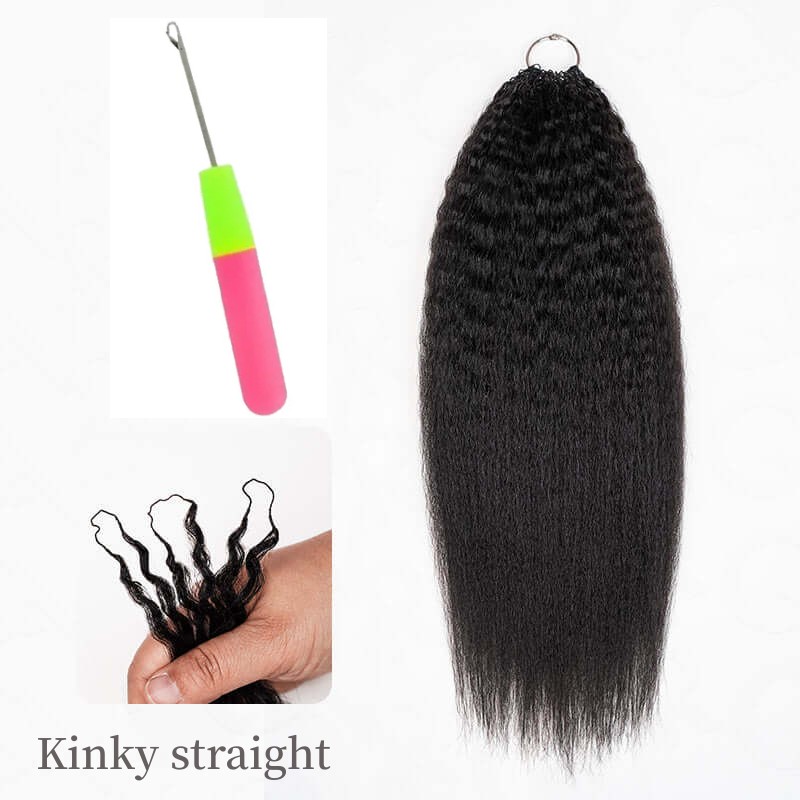
6. Hair Access & Scalp Care
With crochet, your scalp remains more accessible. You can easily:Moisturize, Oil your scalp, Wash thoroughly, Keep your hair dry and clean.This makes crochet an excellent protective option for women who prioritize healthy hair and scalp maintenance.
Sew in weave
Because the bundles cover most of your braids, scalp access is limited. Washing takes more effort, and buildup can happen faster if you sweat or exercise frequently.
Winner: Crochet—best for easy scalp care and airflow.
Crochet vs sew in weave
7. Tension & Comfort
Crochet
-Lightweight
-Low-tension
-Comfortable for sensitive scalps
-Gentle on edges
It’s one of the best choices for women concerned about traction alopecia or thinning edges.
I prefer crochet hair over a sewing, because I can’t go over any tracks. I can run my hands through all the way, like scratch my head, get to my corners,everything. There’s no tracks. There’s no tracks. All the hair is separated.
Sew-In Weave
Sew-ins can feel tighter, especially if the braids are small or the stylist installs multiple bundles. They may put more tension on the scalp and edges.
Winner: Crochet for comfort and protective purposes.
8. Hair Type Compatibility
Crochet
Great for all hair types, especially natural Type 3–4 textures. Since no leave-out is required, you don’t need to heat-style your natural hair to match the extensions.
Sew In Weave
Also works for all hair types.
If you plan to leave hair out, your natural hair texture must blend with the extension texture—kinky straight for natural hair, straight bundles for relaxed/texturized hair, etc.
Winner: Both work well, but crochet is easier for naturals who want a zero-heat protective style.
Which One Should You Choose?
Choose Crochet if you want:
-Lightweight protective style
-Fast installation
-Easy access to your scalp
-Low tension on edges
-Textured, curly, or boho looks
Choose Sew in weave if you want:
-Maximum security
-Straight or sleek styles
-Long-term wear
-Reusable human hair bundles
-Multiple parting and styling options
Both styles can look beautiful—it just depends on your lifestyle, budget, and styling goals.
related topics: