Sew-ins have been a staple in the Black beauty community for decades. They add length, volume, and gorgeous versatility — from silky straight bundles to full deep-wave glam. But many women still ask the big question: Are Sew-Ins Healthy for Your Hair?
Are Sew ins Healthy for Your Hair?
The short answer:
Yes, sew-ins can be healthy — but only when installed correctly, not too tight, and properly maintained.
Otherwise, they can lead to tension, breakage, thinning edges, and scalp irritation.
Let’s break down the truth with a friendly, easy-to-read guide created especially for African American women.
Sew-ins can promote growth and protect your natural hair, but only when:
- Your braids aren’t too tight
- Your scalp gets air + moisture
- You avoid excessive weight from heavy bundles
- You take them down in time
When these steps are ignored, sew-ins can cause:
- Thinning edges
- Tension alopecia
- Itchy scalp
- Dryness
- Breakage at the braid base
So the healthiness of a sew-in isn’t just about the style — it’s about the method.
How Sew-Ins Affect Natural Hair Health
1. Hair Growth
Healthy sew-ins reduce manipulation, giving your hair space to grow.
2. Tension Level
Too-tight braids = damage.
The tighter the base, the more risk for edges and crown breakage.
3. Scalp Health
If you can’t access your scalp to clean or moisturize, buildup may cause dandruff or irritation.
4. Breakage
Heavy bundles pull on braids and weaken the natural hair foundation.
When Sew-Ins Are Healthy
Sew-ins work beautifully when:
- Your hair is strong enough to hold braids
- Your stylist doesn’t braid too tightly
- Bundles aren’t overly heavy
- You moisturize your scalp regularly
- You remove them in 6–8 weeks
When Sew-Ins Are Not Healthy
- If your edges are already thinning
- If you feel pain during installation
- If your stylist uses too much thread tension
- If your scalp is dry or highly sensitive
- If you cannot access your scalp at all
In these cases, switching to a lace wig or glueless wig is often safer and gentler.
Best Hair Types for Sew-Ins
Sew-ins are best for women with:
- Strong roots
- Healthy scalp
- Medium to thick natural hair
- Minimal thinning around the edges
If your hair is fine, fragile, or recovering from breakage, wigs are a more protective alternative.
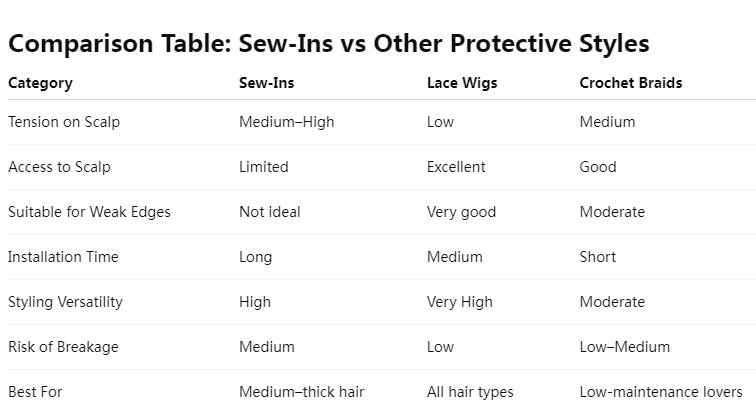
Comparison Table: Sew-Ins vs Other Protective Styles
If you want zero tension, easy scalp access, and natural hairline results, a high-quality human hair lace wig is often the healthier choice.
Recommended options:
13×4 or 13×6 lace frontal wigs (most natural hairline)
Glueless wig (best for protecting edges)
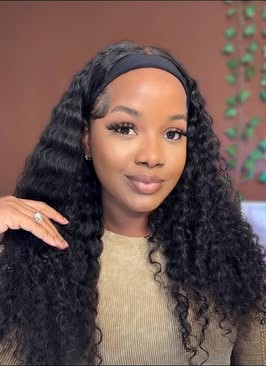
Blowout kinky straight, deep wave, silk press yaki straight depending on the occasion.
Real-Life Scenarios: When Sew-Ins Work Great
1. Work / Office
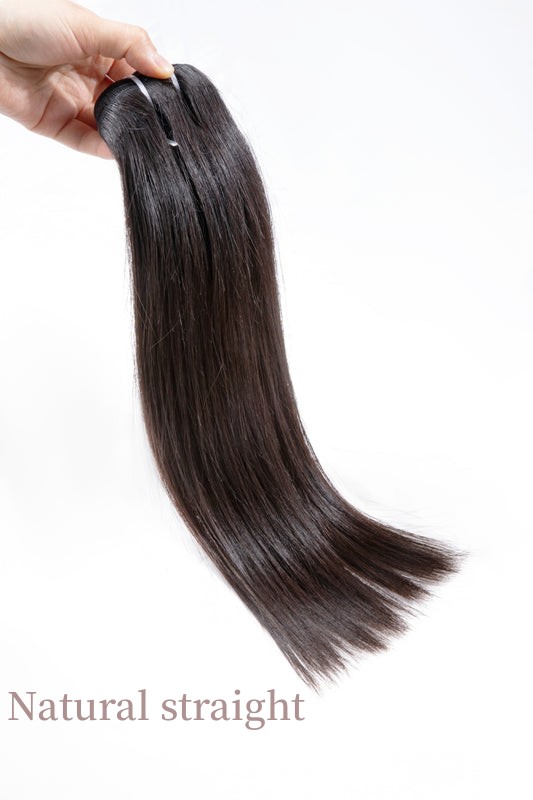
A sleek straight or body-wave sew-in offers a professional, polished appearance.
2. Vacation
Deep wave or water wave sew-ins handle humidity well and stay gorgeous on the beach.
3. Gym
Sew-ins work, but sweat buildup may irritate the scalp. A breathable lace wig is often easier.
4. New Moms / Busy Lifestyle
Low-maintenance straight or loose-wave sew-ins save time in the morning.
5. Transitioning to Natural Hair
Sew-ins protect new growth while maintaining a consistent style.
Frequently Asked Questions (FAQ)
1. Do sew-ins help your hair grow?
Yes — by reducing manipulation. But only if braids aren’t tight and scalp stays moisturized.
2. How long should a sew-in stay in?
6–8 weeks maximum. Longer than 8 weeks increases breakage and buildup.
3. Are sew-ins good for thinning edges?
No. They may worsen thinning. Use lace wigs instead.
4. Can I wash my hair with a sew-in?
Yes — and you should. Use diluted shampoo to access the scalp.
5. What’s the safest type of sew-in?
A “minimal-tension” braid pattern using lightweight bundles.
6. Are wigs healthier than sew-ins?
For many women, yes — especially if you have sensitive scalp or weak edges.
Related Topics: