We often praise protective styles for hair growth. But actually, not every style helps. Some braids or wigs may seem helpful. However, they can secretly cause breakage. They might even stop your hair from growing longer.
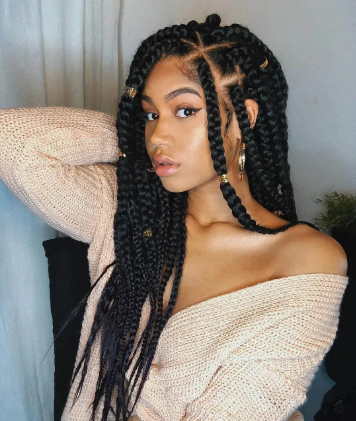
Are protective styles really protective
What makes a hairstyle truly protective?
Let’s start by clearing up a huge misconception: slapping some extensions in your hair doesn’t automatically grant you the magical powers of growth and protection.
A truly protective hairstyle, after all, shields your natural hair from daily friction, environmental dryness, and manipulation—yes!—but only if it’s done gently and with your hair’s needs in mind.
Here’s where it gets spicy; indeed, adding synthetic extensions can sometimes do more harm than good, especially if the style is left in too long, done too tightly, or if you’re, moreover, skipping washes because you’re afraid of frizz. Consequently, a protective style stops being ‘protective’ the moment it starts causing more dryness, tension, or, for that reason, makes your hair routine impossible for weeks on end. Real talk: it’s not just about the look; rather, it’s about the health of your scalp, ends, and edges underneath.
Is braids a good protective style
Let’s talk braids! For years, we’ve been told they’re the holy grail of protective styles, but not all braids are created equally. Here’s the breakdown:
Box Braids:Sorry to the 90s babies—box braids are NOT as innocent as they look. They’re notorious for causing dryness, especially if installed on dry, stretched hair. The synthetic hair can draw out your hair’s moisture, and tight plaiting puts stress on your scalp and edges. The boiling water dip to seal the ends? That extra heat leads to split ends galore. Plus, leaving box braids in too long without washing means a dry, inflamed scalp without relief.
Verdict: Use with extreme caution, and never back-to-back.
Knotless Braids: The slightly gentler cousin of box braids. Specifically, since knotless braids use less synthetic hair and generally start away from delicate edges, the tension is lower. However, dryness can sneak in, and a trim post-takedown is almost always necessary. Therefore, they fall in the ‘we need a trim’ category—safer, but not perfect.
Micro Braids:Proceed only if you like pain. Indeed, micro braids are tiny, furthermore, stressful to remove, and a guaranteed ticket to breakage land. In fact, the takedown alone (so many tiny braids!) encourages pulling and snapping. Moreover, they’re hard to keep moisturized. Save yourself the tears.
Boho Braids: Pinterest pretty but risky in practice. The combination of curly human hair and your own texture equals friction city, making detangling and moisturizing a nightmare. Boho Braids possibly the most damaging of the popular styles.
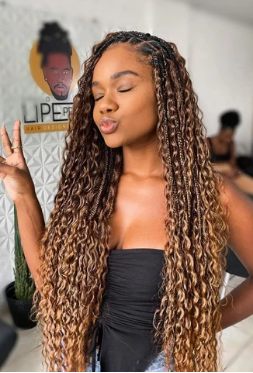
Protective styles other than braids
Beyond box braids, you’ve got a buffet of options—each with its own pros and cons.
Cornrows, Crochet, Twists, Weaves and Wigs: Which Styles Offer the Most Protection?
Cornrows with Extensions: Surprisingly, these come out near the top for protection; however, if you keep the style medium-to-large and avoid snatching your edges. The takedown is fast and kind to your hair, and less synthetic hair means less drying friction. Just don’t get carried away: tiny cornrows revert the benefits, acting more like damaging braids. Proper section size and tension are key.
Passion Twists: Gorgeous, yes. Practical? Well… Kind of. Passion twists tend to leave some natural hair exposed, which means more risk of dryness. On the upside, they’re often worn for shorter stretches and are easier to wash and moisturize.
Crochet Braids: Underrated hero! Your hair is cornrowed underneath—no need to blend with extensions—so your ends are protected and dryness is minimized. You’ll need to watch for buildup and make sure you don’t leave them in more than 4-6 weeks, since lack of water and product access can sneak up on you.
Sew-in Weaves:These get a split vote depending on which type you choose. Closure sew-ins (all your real hair tucked away)—some dryness, maybe a bit of breakage, but generally safe for up to 6 weeks. But sew-ins with a leave-out require blending your hair with the weave, exposing it to heat and styling—classic recipe for split ends everywhere.
Helpful link: Lace closure vs leave out | pros and cons
Are wigs a good protective style
If you love to switch it up or need a shortcut for hair growth, wigs (when used right) are a lifesaver—but there’s a big catch!
Frontal Wigs: These are the showstoppers with laid baby hairs, but they require glue on the hairline—a direct path to edge breakage and traction alopecia if you’re not extra careful. Wearing them too tight or leaving them glued for days multiplies the risk.
Closure Wigs: Closure wigs don’t need messy glue, are easy to take on and off, and let you care for your hair and scalp in peace. The stress on your strands is minimal, there’s no daily manipulation or tension, and you can wash and moisturize as frequently as you want.
Headband wig: Drumroll, please! This is where we find best-in-class protection.
I braid and wear a wig with a headband so I don’t need to wear wig glue. There is no breakage and no pulling of my hair. I wash and detangle every 1-2 weeks.
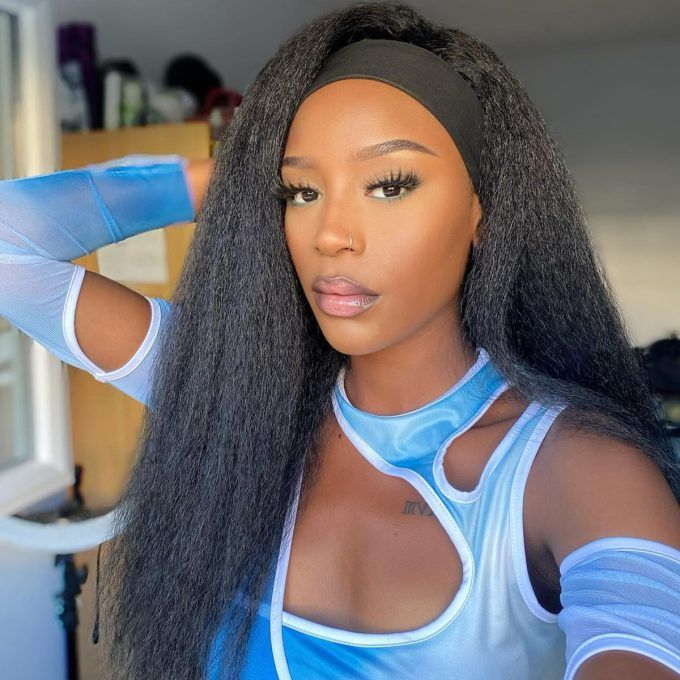
Quick Tip:No matter which wig you wear, take breaks, alternate with low-manipulation styles, and—most importantly—don’t forget to treat your natural hair like royalty underneath!
Conclusion
Our hair loves extensions, braids, twists etc. so it’s not a discussion of removing them completely from our routine but of how to keep them as a part of our routine in a healthy way.
Remember: healthy hair is a marathon, not a sprint. With the right info and some honest self-care, your crown will thank you—whatever style you choose!