If you’ve found yourself battling with thinning or damaged hair edges, you’re not alone, and there’s a silver lining: it doesn’t have to be a permanent situation.5 practical tips to grow damaged edges.
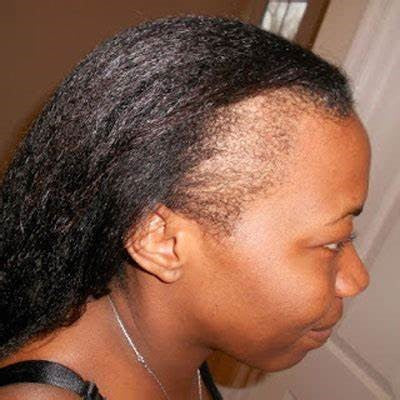
How to grow damaged edges
Hair edge damage often begins with practices that put too much pressure or friction on the hairline.
While protective hairstyles offer numerous benefits, common mistakes can turn them detrimental. A significant issue is using braids that are too heavy due to excessive extension hair. This can put undue stress on the scalp and lead to tension alopecia, particularly around the edges.
While protective hairstyles offer numerous benefits, common mistakes can turn them detrimental. A significant issue is using braids that are too heavy due to excessive extension hair. This can put undue stress on the scalp and lead to tension alopecia, particularly around the edges.
In addition, regular use of wigs that shift and rub ,opting for very tiny braids or tight styles can also cause damage.
Alternating between various styles such as cornrows, wigs, and braids helps distribute the stress on your hair and scalp.Use a satin or silk scarf to wrap your hair at night, cutting down on friction that can cause breakage.
Paying attention to these habits is the first step towards healthier hair edges.
Helpful link: How to protect edges when wearing wigs?
Without the need for glue or lace that risks potential damage to your hairline, headband wigs offer a protective yet stylish alternative. Simply slip the wig on like a headband, adjust for comfort, and you have a ready-to-go look in minutes.

How to grow damaged edges
Alright, let’s talk hair tools!
Hair tools can be like frenemies—helpful but sometimes secretly doing more harm than good. Those edge-slicking gels and rigid brushes might give you a sleek look, but they can also steal moisture and cause breakage over time. Remember, if it’s leaving your edges feeling crispy or irritated, it’s time for a change.
Gently wash your edges while avoiding excessive use of gels or edge controls that can dry them out. Regularly moisturizing and cleansing your edges ensures they remain hydrated and clear of product buildup, which can clog hair follicles.
Nourishing Your Edges with Moisture and Nutrition
Think of your hair as a plant, thriving when well-watered and nourished. Your edges aren’t just on the perimeter for show; they need their own dose of TLC. Many of us tend to forget that our edges need moisture as much as the rest of our hair. Start at the edges when you moisturize, using natural oils to lock in that hydration.
Speaking of nourishment, your diet plays a significant role, too. Just like your body needs vitamins, so does your hair. Iron, vitamins A, B, C, D, E, and minerals like zinc are crucial for beautiful, strong hair.You can do a blood test and then this way we can find out if you are deficient in anything.
Does castor oil help edges grow?
Effective remedies for edge growth: oils and massages
Castor oil is your sidekick here, with its reputation for nourishing the scalp and promoting growth. Mix it with lighter carrier oils like coconut or olive oil to avoid feeling like a grease pan.Add a dash of essential oils, like peppermint or tea tree oil, always diluted for safety, and you can practically feel the blood rushing to your follicles.
And here’s the thing—scalp massages are more than just relaxing. A couple of minutes a day can significantly boost blood circulation, enhancing the delivery of nutrients directly to those hair follicles.
Conclusion
This comprehensive guide unveils proven methods to reinvigorate your hair edges, focusing on oils, scalp care, protective styles, and minimal manipulation to ensure healthy growth and thickness.
Allow your edges periods to rest without interference, adopting a gentle and patient methodology, which ultimately facilitates optimal growth and resilience.
Last but not least, if your hairline is having a serious crisis, it’s always a smart move to call in the pros.Dermatologists are like the hair coaches you didn’t know you needed.