Hair relaxers chemically alter the natural curl pattern of your hair, leaving it straighter and more manageable (say goodbye to hours with the flat iron or brushes!). But, like with all things beauty, there isn’t a one-size-fits-all solution. The two primary types—lye and no-lye relaxers—each have their own personalities.
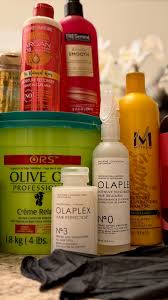
Lye vs no lye relaxers
Let’s talk about Ingredients and pH levels
Lye relaxers, the OGs of the relaxing world, have sodium hydroxide as their chief ingredient. No-lye relaxers, on the other hand, swap sodium for calcium hydroxide, which leads to the ongoing debate about lye or no lye relaxer as a better choice.
Now, let’s nerd out a bit—pH levels might sound like science class, but they’re key to understanding hair relaxers.
Most relaxers hit somewhere between pH 9 and 14, practically turning your hair into a mini science experiment. Why? Because high alkalinity causes the hair shaft to swell and open up, paving the way for those all-important changes in the cortex.
– Lye relaxers have a super high pH, clocking in at 12 to 14. That means they are very alkaline—a world away from your hair and scalp’s natural pH of about 4 to 5. Many professional stylists love lye relaxers because they leave hair feeling soft, smooth.
– No-lye relaxers are a tad gentler on the pH scale (about 9 to 11), but still pretty alkaline compared to your hair’s comfort zone. Processing takes longer, and you may have a bit more texture left in your hair – some folks love that, others want bone-straight results.
Lye or no lye relaxer which is better
So what does all this mean in practice?
Lye relaxers process hair faster, making them the go-to choice for many pros in salons looking for consistent, quick results. If you like efficiency, this might appeal to you.
But speed isn’t everything. If you have a sensitive, dry, or itchy scalp, you might have already experienced the dreaded tingling—or worse, the burn.
In addition, best for coarse, resistant hair; less damaging to hair, but can irritate sensitive scalps; no mineral buildup.
On the other hand, no-lye relaxers, with their milder pH, take their time. The slower processing is a major reason they’re a favorite for at-home use and for folks who want a gentler experience. That extra time in the chair or the bathroom might be worth it if it means less risk of scalp irritation or chemical burns.
However, there’s a catch: mineral buildup. No-lye relaxers are notorious for leaving behind deposits, which can make your hair feel stiff, dry, and harder to moisturize. Over time, this can leave you thinking, “Why does my hair feel like straw?”
Therefore, It’s vital to be proactive about maintaining your hair’s health post-relaxer. You might want to layer on the TLC with regular conditioning treatments that restore lost moisture and proteins.
In addition, no-lye relaxers suit fine to medium hair best. If you have super-coarse hair, they might not give you that glass-like straightness, but if comfort is your priority, this could be a perfect fit.
Conclusion
Both relaxer types bring their own vibe to the party. It’s all about picking what matches your hair type, scalp needs, and your own comfort level with DIY. The choice between lye or no lye relaxer comes down to these personal preferences.
Lye Relaxers
– Pros:
– Fast acting: Quicker results, less time on the clock.
– Easy rinsing: Lye relaxers are less likely to leave mineral residues behind, making hair generally softer to the touch.
– Professional results: Many stylists swear by them for their consistency and predictability.
– Cons:
– Can be harsh on sensitive scalps: Higher potential for burns or serious irritation, especially if you accidentally stretch the processing time.
– You need skill and speed: Not always the best choice for self-application or first-timers.
No-Lye Relaxers
– Pros:
– Gentler on the scalp: The slower processing and less harsh pH make these the darlings of sensitive heads everywhere.
– Easier for home use: You have more wiggle room to get it right without major mishaps.
– Cons:
– Calcium buildup: The leftover minerals can build up on your hair, causing dryness, brittleness, and that crunchy feeling no one loves.
– Hair might feel drier, especially if you don’t clarify and moisturize religiously.
– Sometimes less smooth: Some users find no-lye results less sleek, especially if application isn’t just right.
Helpful links: