Sew-In With Net vs Without: Which One Is Better for Your Hair?
If you’ve ever gotten a sew-in or thought about trying one, you’ve probably heard stylists mention using a net underneath the install. Some clients love it. Others avoid it completely. And honestly? Both sides have valid reasons.
As a hairstylist who has worked with many Black women over the years, I’ve seen how different sew-in methods affect scalp health, tension, longevity, and overall comfort. What works perfectly for one client may not work for another.
That’s why this guide breaks down the real difference between a sew-in with a net vs without a net — including the pros, cons, and who each method works best for.
If you’re a beginner trying to decide which option fits your lifestyle and hair needs, this article will help you make a more confident choice.
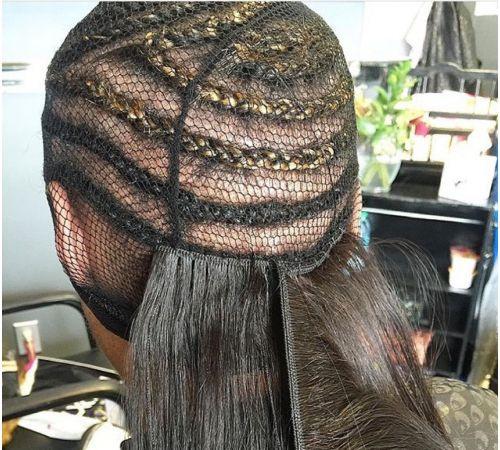
Sew-In With Net: 6 Benefits
At first glance, some people think the net is “extra.” But in reality, it serves several important purposes.
A net under your sew-in is often about protection, tension control, and creating a better foundation for the install.
1.Less Tension Around the Perimeter
One of the biggest benefits of using a sew-in net is reduced tension around the edges and perimeter of the head.
Without a net, all the extension weight pulls directly on the braids. Over time, that pressure can stress your edges — especially if you wear sew-ins regularly.
With a net, the weight distributes more evenly across the entire install.
That means:
- Less pulling
- Less stress on your natural hair
- A more comfortable experience overall
This is especially helpful for clients with sensitive scalps or fragile edges.
And honestly, if your sew-ins usually feel heavy after a few days, this might be what’s missing.
2.Your Sew-In Can Last Much Longer
With proper care and maintenance, sew-ins with nets often last nearly twice as long compared to installs without one.
Why?
Because the net creates additional support for the stitching. The tracks stay secure longer without putting excessive strain on individual braids.
This helps reduce:
- Loose tracks
- Shifting bundles
- Premature lifting
- Stress on specific braid sections
For busy women who want a style that lasts several weeks, this can make a huge difference.
3.Nets Create a Protective Barrier
A sew-in net acts like a buffer between your natural hair and the extensions.
That protective layer helps minimize friction and direct pulling from the added hair weight.
For clients focused on healthy hair growth underneath their install, this extra barrier can help reduce unnecessary manipulation.
It’s also commonly used for women experiencing:
- Hair thinning
- Breakage
- Alopecia
- Weak crown areas
In these situations, the net helps create a more stable foundation without overworking fragile hair.
4.You Can Add More Bundles Without Bulk
Have you ever wanted a fuller sew-in but worried it would feel too heavy or bulky?
A net helps solve that problem.
Because the stitching space is closer together, stylists can fit more bundles into the install more neatly.
This is especially useful if you want:
- Very full installs
- Long hair
- Layered styles
- Glam looks with extra density
Without a net, trying to add too many bundles can sometimes create gaps or bulky tracks.
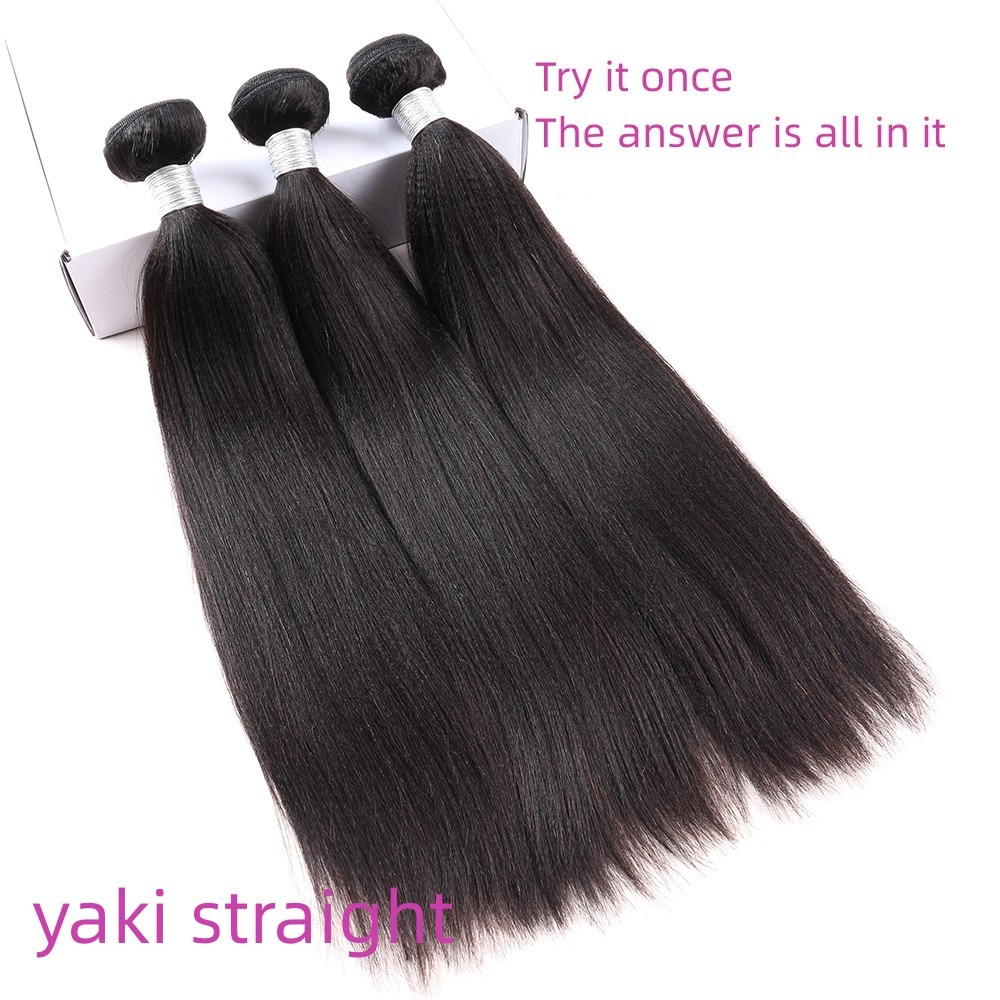
5.Nets Help Dense Hair Lay Flatter
Clients with thick natural hair often struggle with bulky sew-ins.
Even when the braids are neat, dense hair underneath can create a raised appearance that makes the install look less natural.
A sew-in net helps compress and smooth the foundation.
The result?
A flatter install that blends better and feels more secure.
This can be especially important for sleek middle parts, side parts, and bone-straight styles where every bump shows.
6.Better Coverage for Thin Hair
On the other side, clients with thin hair also benefit from sew-in nets.
If the braid foundation has spacing, the net helps cover those visible gaps so tracks sit more evenly.
Without a net, thin braid patterns sometimes leave exposed areas throughout the install.
The net creates a cleaner foundation and improves overall coverage.
That’s one reason many stylists recommend nets for clients with fine or low-density hair.
Sew-In Without a Net: 3 Benefits
Now, let’s talk about the other side.
Not every client needs a net. In fact, some people prefer sew-ins without one for comfort and scalp accessibility.
Here are a few reasons why.
This is probably the biggest advantage.
1.Easier Access to Your Scalp
Without a net, it’s much easier to:
- Oil your scalp
- Clean buildup
- Wash between braids
- Apply scalp treatments
Many clients who prioritize scalp health prefer direct access to their natural hair.
And honestly, this concern is valid.
In my opinion, when a net is used during the install, washing your scalp thoroughly can become more difficult. Sometimes clients end up washing mainly the extensions rather than fully cleansing the scalp underneath.
If you struggle with buildup, dandruff, or an itchy scalp, this is something to consider.
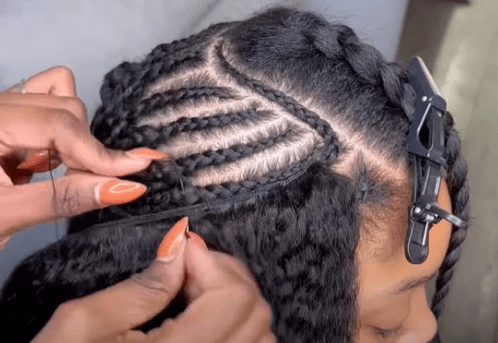
2.Faster Install Time
Sew-ins without nets are usually quicker to install.
Adding a net means:
- Extra prep work
- Additional stitching
- More customization
If you prefer shorter salon appointments, skipping the net may save time.
3.Some Clients Find It More Comfortable
Even though stretch nets are generally comfortable, some clients still dislike the feeling of having an extra layer underneath their sew-in.
A few people describe nets as:
- Itchy
- Warm
- Restrictive
Comfort always matters, especially for styles worn several weeks at a time.
So, Which One Is Better?
The truth is, there’s no universal answer.
A sew-in with a net may be better if you:
- Have thin hair
- Want extra fullness
- Need more protection
- Experience hair loss or alopecia
- Want your install to last longer
- Prefer a flatter finish
A sew-in without a net may be better if you:
- Prioritize scalp access
- Need frequent scalp treatments
- Prefer lighter installs
- Get itchy easily
- Want faster appointments
At the end of the day, it really depends on your hair needs and comfort level.
As a stylist, I always provide a net if needed or by request. The goal is never just making the install look good — it’s making sure your real hair stays healthy underneath too.
Because a beautiful sew-in should never come at the expense of your natural hair.
Helpful links: The trush about: do sew in extensions cause hair loss?