What is Wig Ventilation
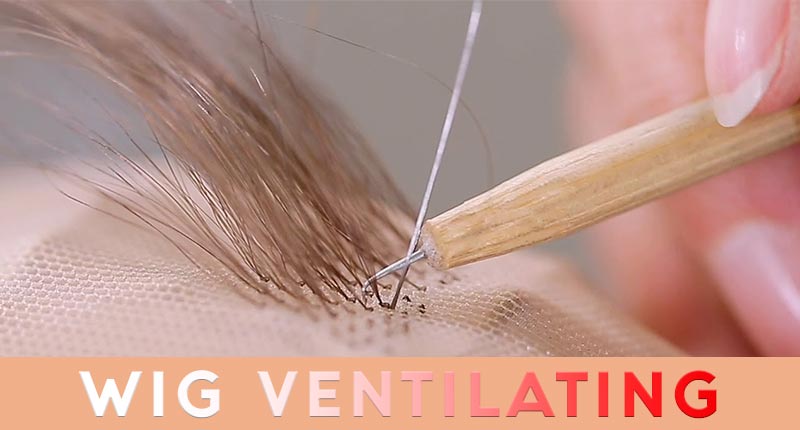
The wig ventilating method incorporates a process similar to making a latch-hook rug.
Using a ventilating hook, the wig maker ties individual strands of hair to the foundation.
Interestingly, this wig-making technique dates back to the time of King Louis XVI, who wore wigs to disguise his hair loss.
Today, wig makers still rely on this method because it creates one of the most natural-looking results available.
Ventilating Materials
Creating a wig begins with the foundation, a cap-like structure designed to fit the head comfortably.
Typically, wig makers create foundations from a combination of nylon and cotton lace.
Next, the wig maker weaves hair into the foundation a few strands at a time using a metal ventilating hook.
For the most natural appearance, most professionals choose human hair.
In contrast, manufacturers produce synthetic hair from plastic polymers, which can sometimes create an unnatural shine.
In addition, achieving a realistic-looking part is often more difficult with synthetic hair.
As a result, many premium wigs continue to use human hair for a more natural finish.
Ventilating Process
Using only a few strands at a time, the wig maker pulls the hair through the lace foundation with a ventilating hook.
Next, they secure the hair with a small knot. To create a realistic full lace wig, the wig maker may repeat this process up to 40,000 times.
To achieve a natural-looking hairline, the wig maker uses only a single strand of hair around the edges of the wig.
In addition, they often blend several hair colors to create subtle variations in shading, making the finished wig look even more realistic.
Wefting: A Faster Alternative
Another way to create lace wigs is through a process called wefting.
Instead of tying individual hairs by hand, machines sew rows of hair onto the foundation.
As a result, manufacturers can produce wigs much faster and at a lower cost.
However, because the process lacks the precision of hand ventilation, the finished wig often appears fuller and offers little to no natural-looking part.
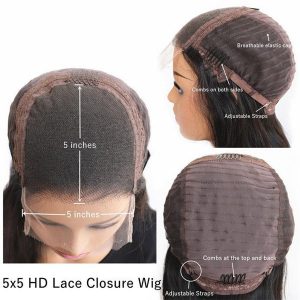
For this reason, many manufacturers use wefting to produce mass-market lace closure wigs.
Ventilate lace wig
For the most natural results, wig makers often customize each wig to match a person’s exact head measurements.
The better the fit, the more natural and realistic the wig will look.
Although hand-ventilated wigs typically provide the most believable appearance, machine-made wigs can also achieve a natural look with the right construction techniques.
For example, many manufacturers add a lace strip along the hairline and ventilate individual hairs through the lace.
As a result, the hairline appears softer, more realistic, and less noticeable, helping the wig blend more naturally with the wearer’s features.