Why is my human hair wig shedding
You spend good money on a beautiful human hair wig.
Then a few weeks later, you start noticing strands on your brush, your clothes, or even your bathroom sink.
Naturally, the first thought is:
“Did I get a bad wig?”
Not necessarily.
As someone who has worked with human hair wigs for years, I can tell you that shedding is one of the most common concerns wig wearers have. In many cases, the issue isn’t the wig itself. Instead, daily habits, styling routines, and maintenance mistakes often play a bigger role than people realize.
The good news is that some shedding is completely normal. More importantly, there are several ways to reduce excessive shedding and help your wig last much longer.
Let’s look at the most common reasons your human hair wig is shedding and what you can do about it.
1.Weak or Unsealed Knots
Unlike hair growing from your scalp, wig hair is attached to lace through knots. Over time, a small number of hairs naturally loosen and fall out.
A few strands during brushing or washing are nothing to worry about.
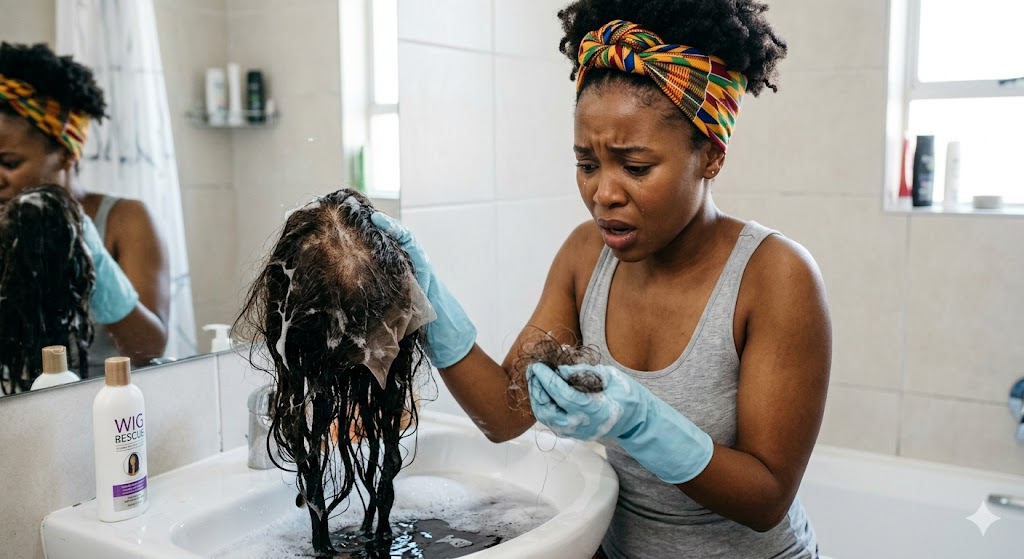
However, if you notice large amounts of hair coming out every day, thinning areas, bald spots, or excessive hair on your brush after each use, there is usually an underlying cause that needs attention.
One of the biggest causes of excessive shedding starts at the knots.
Each strand of hair is tied to the lace with a small knot. If those knots are weak or not properly sealed, hairs can loosen and fall out much faster.
This issue becomes even more noticeable after repeated washing, brushing, and styling.
Over-Bleached Knots Can Make Shedding Worse
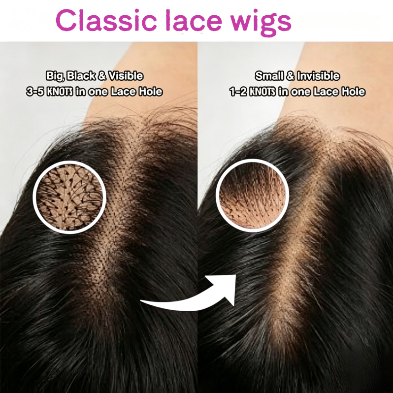
Many wig wearers love bleached knots because they create a more natural-looking hairline.
However, excessive bleaching can weaken the knots holding the hair in place.
When the bleaching process is too strong or left on for too long, the hair near the knot becomes fragile. Eventually, strands begin slipping out of the lace.
A Safer Alternative to Heavy Knot Bleaching
If your goal is simply to make the knots less visible, you don’t always need to bleach them aggressively.
Many experienced wig wearers use lace tinting products, powder tinting, or foundation to help camouflage knots and blend the lace with their skin tone. These methods can create a natural-looking scalp effect without exposing the knots to additional chemical processing.
As a result, you can achieve a realistic hairline while reducing the risk of weakening the knots and causing premature shedding.
2.Your Wig Hair Is Too Dry
This may be the most overlooked reason of all.
Many people assume shedding automatically means poor-quality hair. In reality, dry hair often causes breakage that looks like shedding.
Remember:
Human hair wigs need moisture just like natural hair.
When the hair becomes dry and brittle, strands snap easily during styling, brushing, and detangling.
Signs Your Wig Needs Moisture
- Hair feels rough or stiff
- Ends look frizzy
- Increased tangling
- Excessive breakage during brushing
- Loss of shine
How to Prevent Dryness
To keep your wig healthy:
- Use a moisturizing conditioner regularly
- Apply lightweight serums when needed
- Deep condition every few weeks
- Avoid harsh shampoos
- Never let the hair stay dry for long periods
A well-moisturized wig is less likely to break and shed prematurely.
3.Over-Brushing Your Wig
Brushing helps keep your wig smooth and tangle-free.
However, too much brushing can create the opposite result.
Every time you brush, you place tension on the knots. Excessive brushing gradually loosens those knots and increases shedding.
The Right Way to Brush a Human Hair Wig
Follow these simple steps:
- Start from the ends.
- Work your way upward slowly.
- Hold the hair near the roots while brushing.
- Use a wide-tooth comb or cushion brush.
- Detangle gently instead of pulling through knots.
Most importantly, never rush.
Aggressive brushing is one of the fastest ways to shorten a wig’s lifespan.
Avoid Brushing Wet Hair
Wet hair is more vulnerable to stretching and breakage.
Instead of brushing immediately after washing, allow the hair to air dry partially before gently detangling.
4.Using the Wrong Hair Products
Social media has made it easy to discover new hair products.
Unfortunately, not every viral product is suitable for every wig.
This is where many wig wearers accidentally damage their investment.
Products designed for one hair type may not work well on another. Some contain alcohol, heavy ingredients, or strong chemicals that weaken the hair over time.
As a result, the hair becomes dry, fragile, and more likely to shed.
Before Trying a New Product
Ask yourself:
- Is it designed for human hair wigs?
- Is it intended for curly or straight hair?
- Does it require dilution?
- Does it contain drying ingredients?
A product that works perfectly on someone else’s wig may not work on yours.
When in doubt, keep your routine simple and stick with quality wig-safe products.
5.Excessive Heat Styling
Heat damage is another major reason human hair wigs start shedding.
Many people treat their wigs exactly like their natural hair. The difference is that wig hair cannot repair itself once damaged.
Repeated heat styling gradually weakens the hair shaft and can even affect the knots.
Common Heat Mistakes
- Flat ironing daily
- Curling multiple times per week
- Using the highest temperature setting
- Blow-drying on high heat
Over time, this weakens both the hair and the knot area.
What’s a Safer Heat Setting?
For most human hair wigs, keeping styling tools around 180°C (356°F) helps minimize damage.
However, temperature isn’t the only factor that matters.
Before using any hot tools, apply a quality heat protectant to create a protective barrier between the hair and the heat. While no product can completely prevent heat damage, a heat protectant can help reduce moisture loss and minimize stress on the hair fibers.
If you’re wondering whether these products actually make a difference, check out our detailed guide on Does Heat Protectant Really Protect Hair?
Even with a heat protectant, it’s still best to limit heat styling whenever possible.
Heat should be used occasionally, not every day.
6.Naturally Soft Hair Textures Shed More Easily
Not all human hair textures behave the same way.
Soft, silky, fine-textured hair is naturally more delicate than coarser textures.
This doesn’t mean the hair is poor quality.
It simply means the strands require gentler handling.
For example, body wave, straight, and silky textures often need more careful maintenance than coarser curly textures.
If your wig has very soft hair, focus on:
- Gentle detangling
- Regular conditioning
- Minimal heat usage
- Proper nighttime protection
These steps help preserve the hair’s strength and fullness.
Final Thoughts
If you’ve been wondering, “Why is my human hair wig shedding?” the answer is usually more complicated than simply having a bad wig.
The good news is that most of these issues are preventable.
With proper maintenance, gentle handling, and the right products, a quality human hair wig can stay full, beautiful, and natural-looking for a long time.
A little extra care today can save you from excessive shedding tomorrow.