Do I Need a Bald Cap for a Wig? What Beginners Should Know
A method becomes popular for a reason. But that does not mean it works for everyone.
The bald cap method is a good example. You have probably seen wig installers use it to create that smooth, “melted” look where the lace seems to disappear into the skin. It can look amazing. However, it also adds several steps to your wig install.
So, do you actually need a bald cap for a wig?
Not necessarily.
For some women, a bald cap makes the wig look more natural and keeps their hair tucked away. For others, it creates more problems than it solves. If you are a beginner, understanding both sides can save you time, protect your edges, and help you choose an installation method that actually works for you.
Let’s break it down.
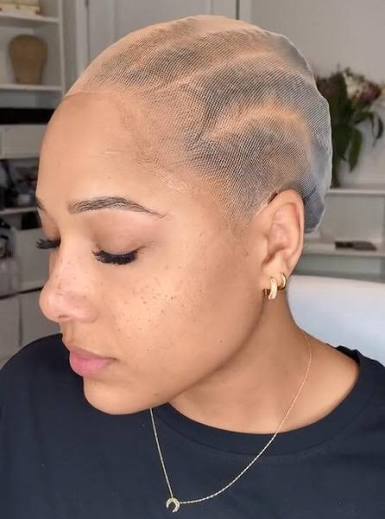
Why Do Some Women Love the Bald Cap Method?
1.It Can Hide Your Natural Hairline
This is probably the biggest reason to use a bald cap.
If you have a low hairline or your natural hairline shows through the lace, the wig may not look as seamless as you want.
Without a bald cap, your natural hairline can peek through the lace. Once you notice it, it can be hard to unsee.
A bald cap creates another layer between your natural hair and the lace. That can make it easier to create the appearance of a completely bald base.
For beginners, this can feel like a huge improvement.
2. It Can Help With a Low Hairline
A low hairline can make wig installation tricky.
For example, if your natural hairline sits lower on your forehead, you may not want your wig to sit that far forward. However, you also do not want your natural hairline showing underneath the lace.
Some women use a bald cap so they can place adhesive farther behind their natural hairline.
I understand why this sounds helpful. At the same time, you do not always have to cover your natural hairline with a bald cap.
A glueless wig can be another option worth considering, especially if your main problem is a low hairline. Instead of trying to glue the wig farther forward, you can work with the wig’s fit and position it behind your natural hairline.
For beginners, that can mean fewer products and less stress.
3. Removing the Wig Can Be Easier
Here is another benefit people do not always mention.
When you use adhesive on the bald cap instead of directly on your natural hair, the cap can take much of the glue with it when you remove the wig.
In other words, the cap can act as a barrier.
That does not mean adhesive becomes completely risk-free. You still need to remove the wig and cap gently. However, some women like knowing that most of the adhesive comes off with the cap instead of sitting directly on their hair.
4. It Can Help With Very Thin Lace or Colored Hair
There is one situation where I especially understand why someone would reach for a cap.
If the lace is extremely thin, the natural hair underneath may become more visible.
The same can happen with certain colored wigs.
A wig cap can create a more uniform base underneath the lace. That may help the lace look more consistent instead of showing your natural hair underneath.
So, if you are wearing a very thin lace wig or a colorful wig and you are struggling to get the look you want, a bald cap may be worth trying.
Why Do Some Women Skip the Bald Cap?
Now let’s talk about the other side.
A lot of women have tried the bald cap method and decided, “Nope. Not for me.”
1. It Takes More Time
This is probably the biggest downside for beginners.
A regular wig install can already involve several steps. Once you add a bald cap, you now have another process before you even get to the wig.
You have to:
- Put on the cap
- Secure it
- Wait for products to dry
- Trim the excess
- Blend the cap
- Add makeup or foundation
That is a lot of work.
If you are getting ready for work in the morning or simply want to put your wig on and go, the bald cap method may feel like a complete waste of time.
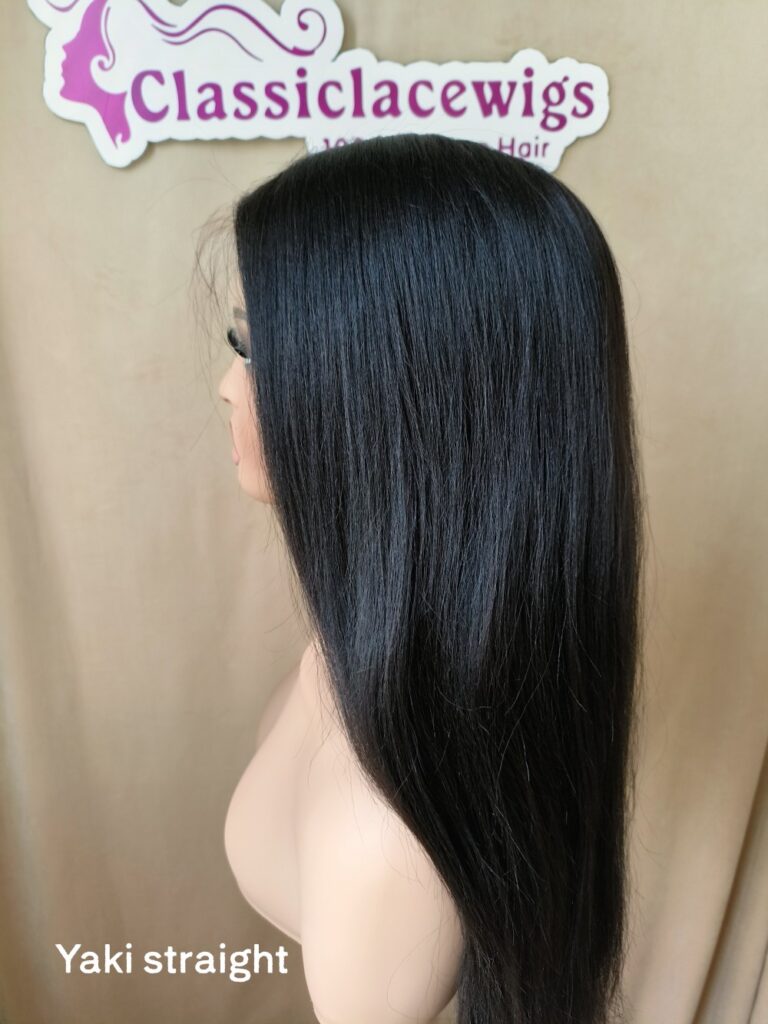
2. It Can Pull on Your Edges
This is a big concern for Black women, especially if you already have delicate edges.
A cap that fits too tightly can pull on your hairline. And if you secure the cap with adhesive near your edges, you add another source of tension.
Some women have stopped using wig caps because they felt the caps were taking out their edges.
That experience matters.
A method can look beautiful while still not being worth it if your hairline cannot tolerate the tension.
If you feel pulling around your edges, do not simply keep wearing the cap because “everyone does it.” Your comfort and hair health matter more than copying an installation trend.
3. The Cap May Not Match Your Skin Tone
This is another problem that beginners often discover after trying the bald cap method.
Your lace may be beautifully tinted, but then you put a cap underneath it that is clearly the wrong shade.
Now you can see the cap through the lace.
Instead of helping the lace melt, the cap can make the installation look less natural.
This becomes even more noticeable with very thin lace.
That is why color matching matters so much when you use a traditional wig cap.
This is one reason some women prefer installing the wig without a bald cap. They would rather have the lace sit directly against their skin than add another visible layer underneath it.
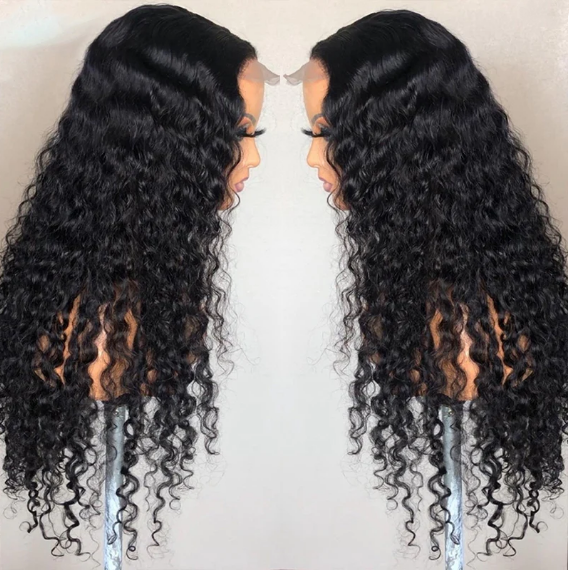
4. It Can Feel Hot, Itchy, and Uncomfortable
If you are someone who sweats a lot, pay attention to this one.
A wig already creates another layer around your scalp. Adding a bald cap underneath can make your head feel even warmer and less comfortable.
And when sweat gets trapped under the cap, your scalp may start to feel itchy. Some women also find that the cap becomes sticky or gummy after wearing it for a few days.
The problem can get worse if the cap does not allow enough airflow. Instead of feeling comfortable in your wig, you may spend the day thinking about how hot, sweaty, or itchy your scalp feels.
There is another issue, too. If the cap gets sweaty and starts sliding backward, it can pull on your edges as it moves. That can make an already uncomfortable installation even more irritating.
So, if you tend to sweat a lot or get hot easily, the bald cap method may not be the most comfortable option for you. A simpler installation with less layering may work better.
Do I Need a Wig Cap for a Wig?
If you do not want to deal with the extra steps of a bald cap, you may be wondering if you can simply wear a regular wig cap instead.
Yes, you can.
A regular wig cap can give you some of the protection you want without requiring the full bald cap method. You can use it as a simple barrier between your natural hair and the wig to reduce friction and help keep your hair tucked underneath.
For example, you can put the wig cap on, slide it back a little, and keep it behind your natural hairline. If you are using glue, you can apply it about an inch or two in front of your actual hairline. That is it. You do not necessarily need to glue down, melt, and color the entire cap.
I completely understand why some women prefer this simpler approach. You still get a layer between your hair and the wig, but you skip many of the extra steps that come with the bald cap method.
If you want to learn more about whether you need a wig cap in the first place,check out our guide: Is a wig cap necessary?.
Want to Try a Bald Cap? Start With HD Wig Cap
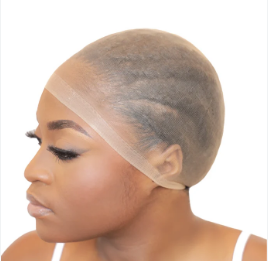
If you decide to try the bald cap method, I recommend paying close attention to the lace.
For beginners, HD wig cap can be a good option because it is very thin and designed to blend closely with the skin.
It can also help you avoid some of the frustration that comes from trying to find a traditional wig cap that perfectly matches your skin tone.
However, remember that thinner lace also requires more careful handling. You still need to make sure the cap underneath does not create an obvious line or color difference.
The goal is not simply to use a bald cap.
The goal is to create a natural-looking installation without adding unnecessary tension, heat, or extra work.